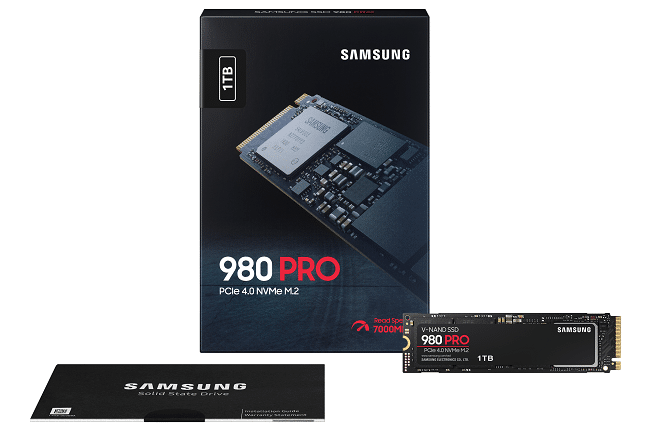
Samsung unveils 980 PRO PCIe 4.0 SSD
The solid state drive market is getting very exciting lately, with many manufacturers releasing PCIe 4.0-based drives. Just yesterday, we told you about a new model from ADATA. With a compatible motherboard/computer, you can achieve speeds that make SATA SSDs look downright pathetic.
Today, Samsung finally releases a PCIe 4.0 SSD for consumers. Called "980 PRO," it promises truly impressive speeds. Most importantly, it should be very reliable, as Samsung solid state drives have proven to last -- this is why many system builders swear by them (including me).
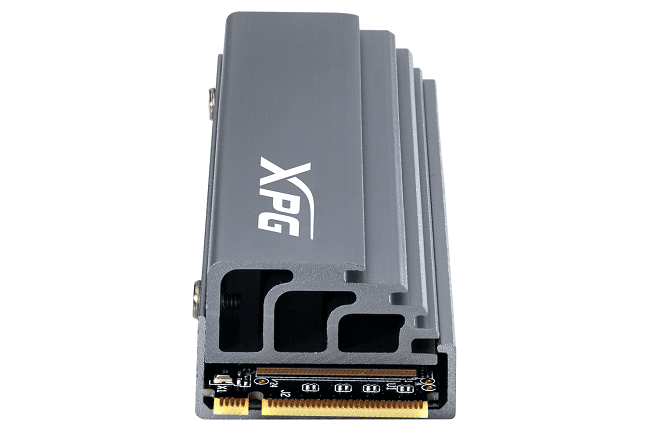
ADATA XPG GAMMIX S70 NVMe PCIe Gen4x4 M.2 2280 SSD has a MASSIVE heatsink
Want to know a secret? Solid state drives can get hot. Very hot, actually. Super-fast M.2 drives in particular can generate quite a bit of heat, so sometimes, manufacturers will put heatsinks on them. Are these heat spreaders "snake oil" rather than something truly useful? Believe it ort not, no. Not only will a heatsink help the drive to last longer, but it can improve performance too. You see, when the drive gets hot, its read and write speeds can throttle down. By adding some metal to pull away some of the heat, your drive can perform better when under heavy load.
Today, ADATA launches its latest solid state drive, and it is a speed demon. Called "GAMMIX S70," this NVMe PCIe Gen4x4 M.2 2280 SSD is being released under the company's XPG brand, which is designed for gamers and enthusiasts. The drive is so insanely fast, that ADATA has put an absolutely massive heatsink on it. The company calls it "CoolArmor," and it claims the "terraced" design will allow it to provide superior cooling. While I don't doubt it will do a great job keeping heat at bay, I do worry that its huge heatsink may make it impossible to fit inside some computers -- it could end up impeding the installation of other components, such as a GPU. You can, of course, forget about putting it into any laptop.
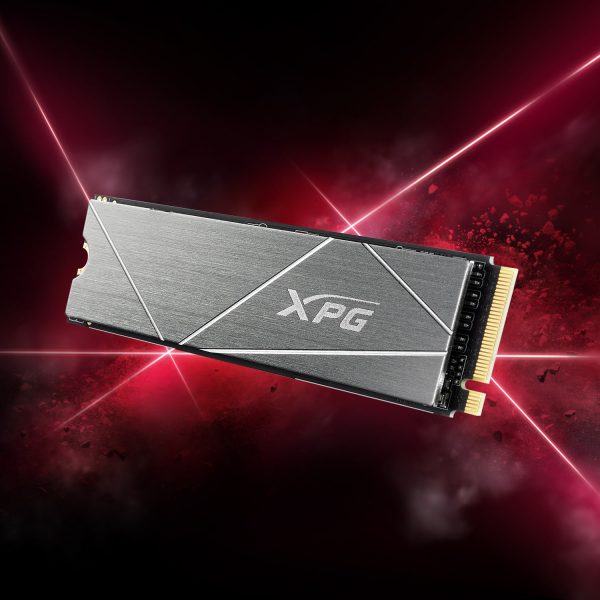
ADATA unveils XPG GAMMIX S50 Lite PCIe Gen4x4 M.2 2280 gaming SSD
All solid state drives are fast -- when compared to mechanical hard drives. With that said, not all SSDs are created equally. SATA based SSDs are the slowest amongst them, with PCIe-based drives being the fastest. Of course, there are different generations of PCIe that have gotten continually faster. Currently, consumers have access to some computers and motherboards with PCIe Gen 4.0.
For those of you with PCIe Gen 4.0 systems, there is a new solid state drive from ADATA that you should definitely check out. Called "GAMMIX S50 Lite," the PCIe Gen4 M.2 2280 SSD is being offered under the company's gamer/enthusiast "XPG" brand.
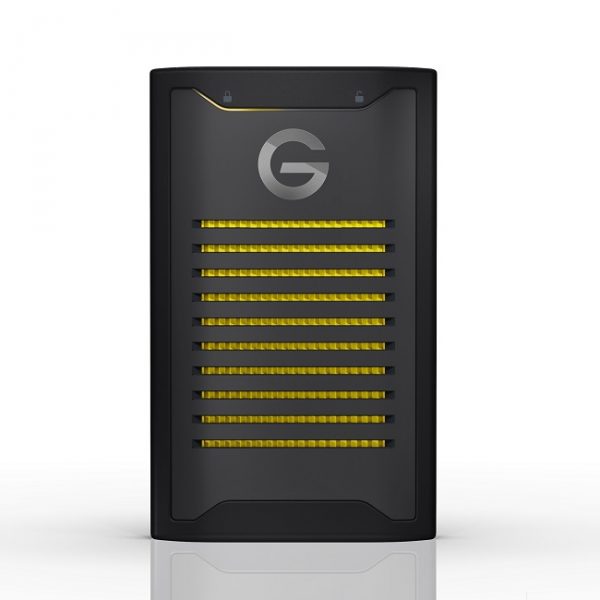
Western Digital launches G-Technology ArmorLock encrypted NVMe SSD
Encrypting your data can be very important -- particularly for businesses that deal with sensitive information and trade secrets. However, working with encrypted media isn't always a walk in the park. Quite frankly, the concept of encrypting and decrypting a drive can be very confusing for some end users. And so, out of convenience, encryption is sometimes skipped -- tragic but understandable.
Thankfully, thanks to things like biometrics, working with encrypted drives can be easier, although that isn't always ideal for an IT department looking to work with many users and drives. Hell, with remote work exploding, it may not be possible to set up an employee's fingerprint. To simplify things, Western Digital has developed a new platform called "ArmorLock" that allows users to lock and unlock a drive using their smartphone (Bluetooth and an app). IT departments can easily set up the drive and authorize users before shipping it out to them. Today, under its "G-Technology" brand, Western Digital launches its first-ever drive to use the platform -- the ArmorLock encrypted NVMe SSD
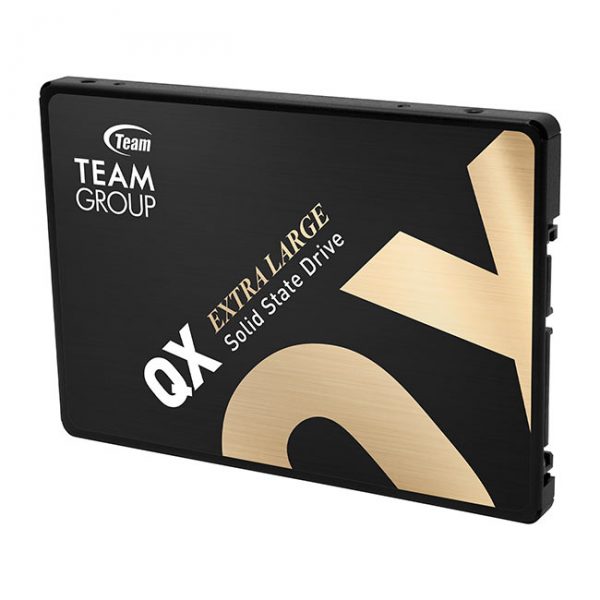
TEAMGROUP QX is a 15.3TB SSD that costs nearly $4,000
When it comes to storage, consumers typically need to choose between a solid state drive for speed and a mechanical hard disk drive for large capacity. Over the years, however, SSDs have gotten bigger capacities, but for the most part, they still trail HDDs in that regard -- particularly in the consumer market..
Today, TEAMGROUP launches a new consumer solid state drive that offers the best of both worlds. Simply called "QX," this 3D QLC SATA 2.5-inch SSD offers an insane 15.3TB capacity. Before you get too excited, you should know the price -- it costs nearly $4,000.
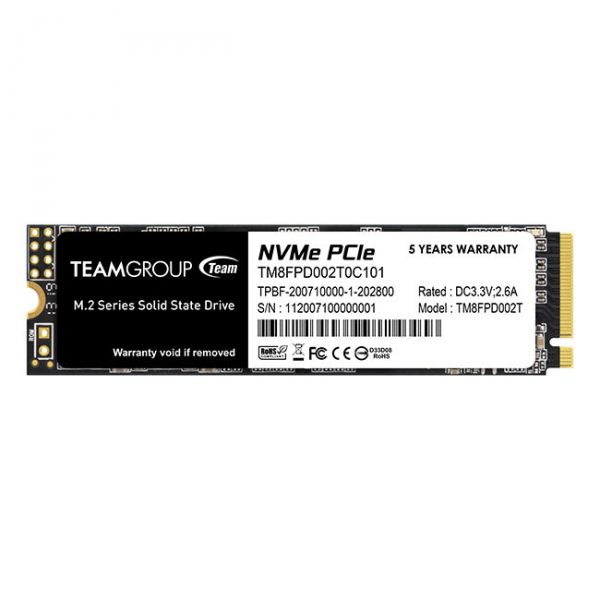
TEAMGROUP releases affordable MP33 PRO NVMe PCIe Gen3x4 M.2 SSD
Solid state storage technology is constantly improving. The truth, however, is while PCIe Gen 4 SSDs are now available, they are total overkill for most consumers. Hell, most people would be more than fine with a meager SATA drive. With that said, the previous-generation PCIe Gen 3 SSDs are now very inexpensive (and quite fast) making them a smart buy whether you truly need the extra speed or not. In other words, a SATA SSD should probably be avoided nowadays unless your PC simply isn't compatible with anything else.
Today, TEAMGROUP releases its latest NVMe PCIe M.2 SSD, and it is very affordable. Called "MP33 PRO," it isn't the fastest such drive, but it is certainly speedier than any SATA drive. While it lacks a fancy heatsink or flashy sticker, it will be offered in two PCB colors -- blue and black. While both colors are nice, the black is certainly the better looking of the two.
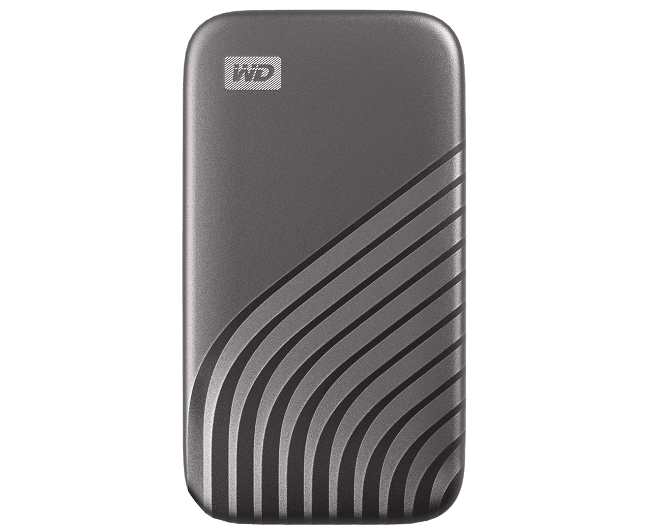
WD My Passport SSD is a fast, beautiful, and durable USB-C NVMe solid state drive
I still remember getting my first-ever solid state drive -- a SATA model with a small capacity by today's standards. It was mind-blowing to see how fast Windows could boot from it. Also great? No longer being forced to hear the sound of a mechanical hard drive seeking for data. All things considered, the transition from HDD to SSD was one of the most significant upgrades of my entire computing life. And you know what? I am sure many consumers would say the same.
With all of that said, solid state drives aren't just great inside computers -- they work wonderfully outside of them too. What do I mean by that? I am referring to portable storage. Thanks to NVMe drives, external storage devices can be faster and tinier than ever. Not to mention, with USB-C, you never have to worry about plugging in the connector the wrong way either. Today, Western Digital launches such a drive and it is absolutely gorgeous. Called "WD My Passport SSD," it features an internal NVMe drive, USB-C connectivity, and a beautiful metal exterior that oozes elegance.
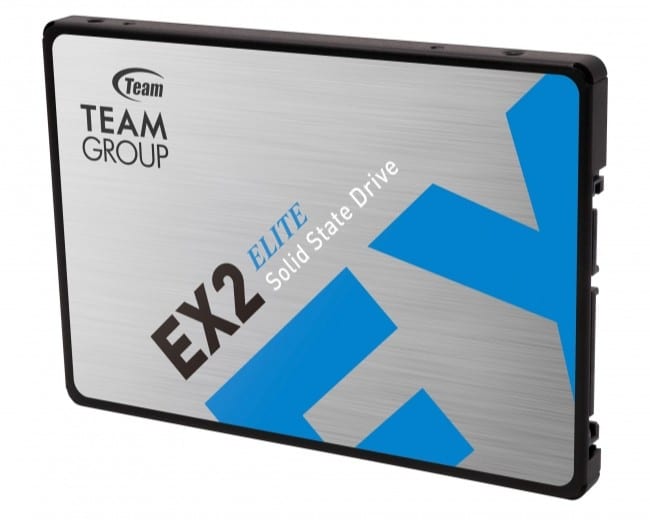
TEAMGROUP unveils EX2 Elite SATA SSD and C201 Impression USB Flash Drive
USB flash drives and SATA solid state drives may not be cutting edge products anymore, but for some consumers and businesses, they are absolutely essential. For instance, while many computer users are leveraging NVMe SSDs these days, there are many more that don't even have computers with that option. Similarly, while many folks are storing data in the cloud, there is still a need for saving files locally and transferring them by USB flash drive.
That's why I was happy to see that earlier today, TEAMGROUP unveiled the EX2 Elite SATA SSD and the C201 Impression USB Flash Drive. Neither product will win any awards, but still, I can guarantee that many computer users will find them intriguing.

Transcend unveils new 3D NAND SSDs
There have been a lot of new solid state drives released lately, some of which are run of the mill, while others are cutting edge. For instance, Sabrent recently launched an 8TB PCIe SSD, while Silicon Power unveiled a speedy PCIe 4.0 drive.
Transcend recently unveiled a new line of solid state drives, and while they that won’t “wow” anybody, they are still worth a look. They all use 3D NAND, but the four SSDs come in different sizes, speeds, and interfaces.
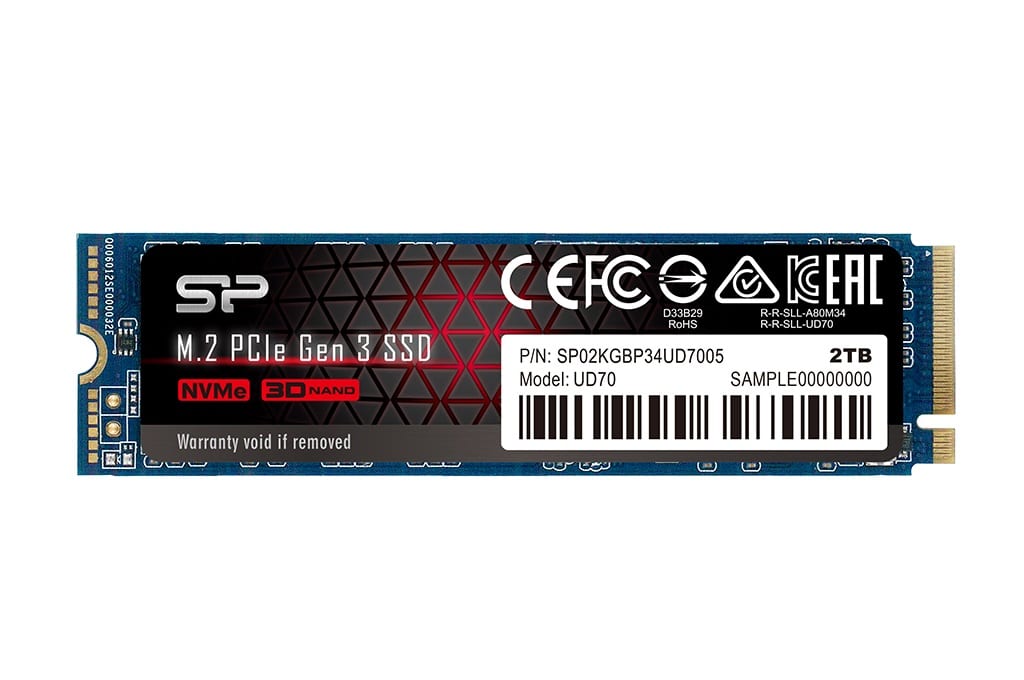
Silicon Power unveils UD70 M.2 2280 PCIe Gen3x4 NVMe SSD
Another day, another solid state drive. Yes, folks, we are once again telling you about a new SSD. There sure are a lot of new models hitting the market lately, right? This time, the drive is from Silicon Power. We recently reviewed one of that company's external SSDs, but I digress.
Called "UD70," it is a PCIe 3.0 SSD that uses 3D QLC NAND. Unfortunately, it is not a PCIe 4.0 drive like the company's similarly named US70. While a PCIe Gen 3x4 SSD is nothing out of the ordinary, Silicon Power boasts about it having superior cooling capabilities. No, it doesn't have a huge heatsink. In fact, it has no heatsink at all. Actually, SP says the cooling capabilities are baked into the UD70's firmware.
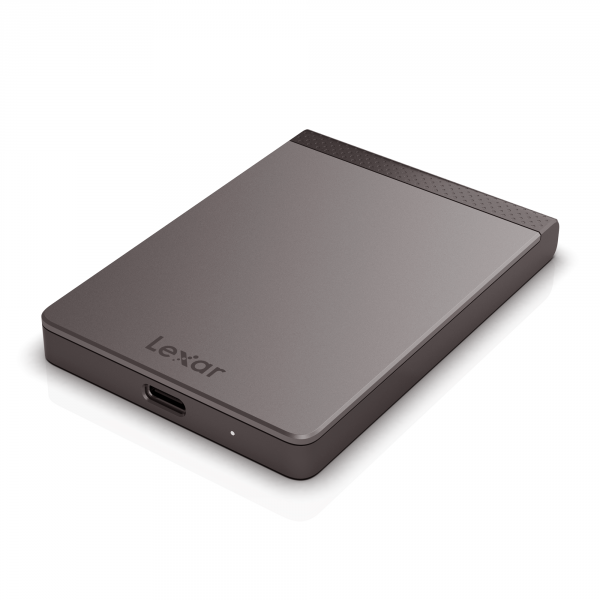
Lexar launches SL200 USB-C portable SSD
If you want to store your data externally, you can always go with a mechanical hard disk drive. That makes sense, as HDDs are typically a more cost effective option when compared to solid state drives. With that said, SSDs have dropped in price a lot lately, and are getting larger storage capacities all the time. For instance, both Sabrent and Samsung recently showed off 8TB SSDs. Not to mention, solid state drives are faster and have no moving parts, making them worth the premium for some consumers.
Lexar recently announced a new portable SSD that uses USB-C for connectivity, and it is rather affordable. Called "SL200," it appears to use a SATA drive internally, so it isn't the fastest option on the market. With that said, it is still significantly faster than a USB hard disk drive. Your PC doesn't have USB-C? Don't worry. The attractive drive comes with both a USB-C to USB-C cable and a USB-C to USB-A cable in the box.
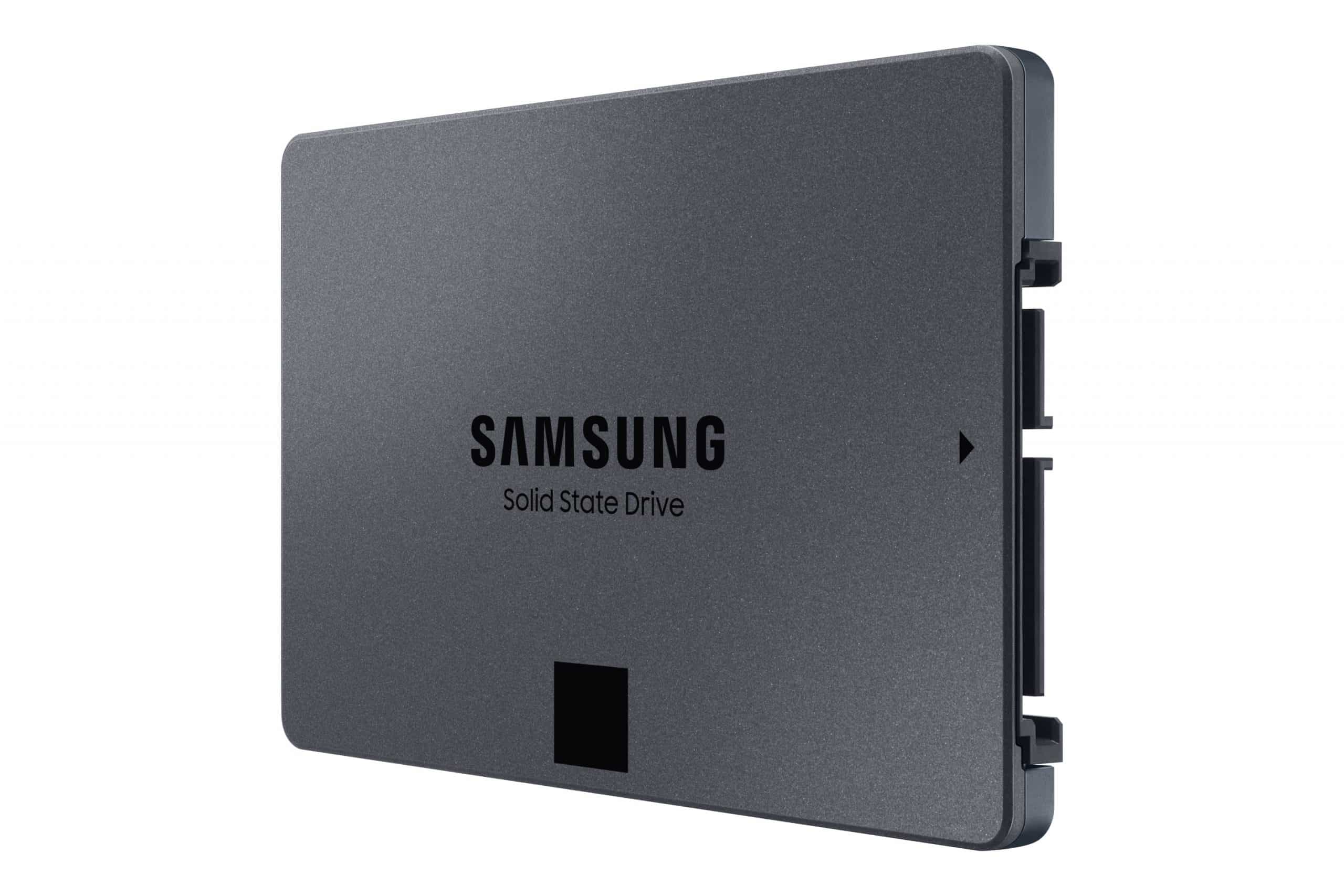
Samsung releases 870 QVO 2.5-inch SATA SSD with up to 8TB capacity
M.2 PCIe solid state drives are definitely preferable to 2.5-inch SATA variants, but there is a big problem -- the majority of active computers in the world don't have M.2 slots! In other words, even though M.2 PCIe drives are faster, if they aren't compatible with a user's computer, it is a moot point. Ultimately, 2.5-inch SATA SSDs are here to stay for many years.
Thankfully, there is no shortage of manufacturers willing to produce SATA solid state drives. One of the most notable is Samsung. Its drives are well respected by enthusiasts and regular computer users thanks to reliability, speed, and reasonable pricing. Today, Samsung releases its latest 2.5-inch SATA SSD and it looks like another winner. Called " 870 QVO," this QLC SATA solid state drive comes in capacities ranging from 1TB all the way to an impressive 8TB!
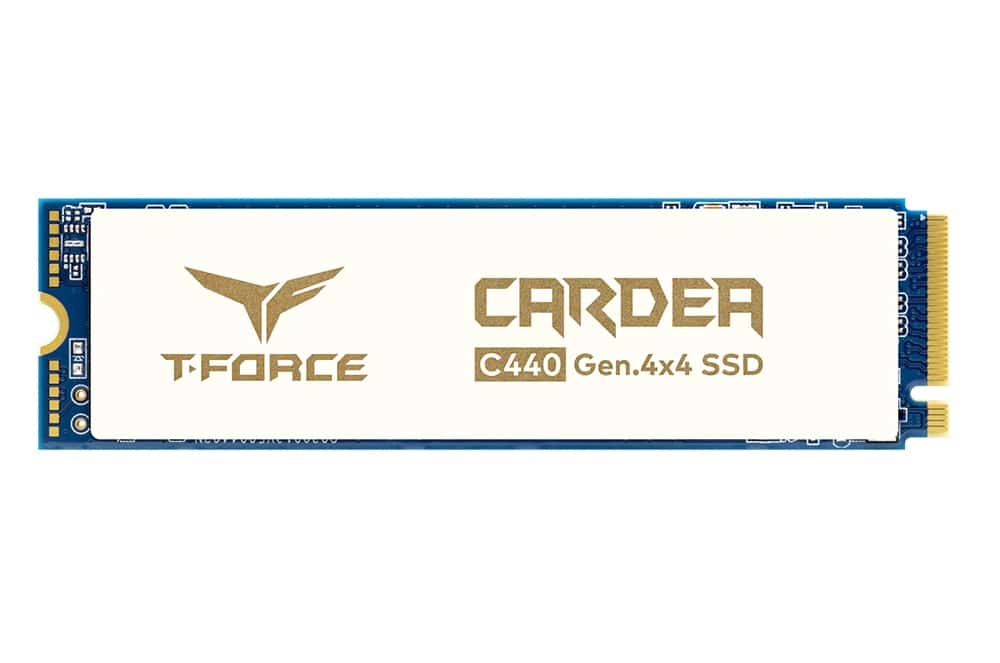
TEAMGROUP unveils CARDEA Ceramic C440 M.2 NVMe PCIe 4.0 gaming SSD
The transition to PCIe 4.0 is in full effect, with more and more new motherboards having the new standard. You can thank AMD for that, by the way, as Intel is dragging its feet and still embracing the older PCIe 3.0. Oh well. That really shouldn't come as a surprise, as AMD is the leader these days.
One of the best aspects of PCIe 4.0 is faster solid state drives. For instance, today, TEAMGROUP unveils a new M.2 2280 NVMe PCIe 4.0 SSD. Called "CARDEA Ceramic C440," this speedy gaming-focused SSD features a ceramic heatsink -- a very unique cooling option for a drive. Not only should the ceramic heatsink help with performance, but it looks very pretty too.
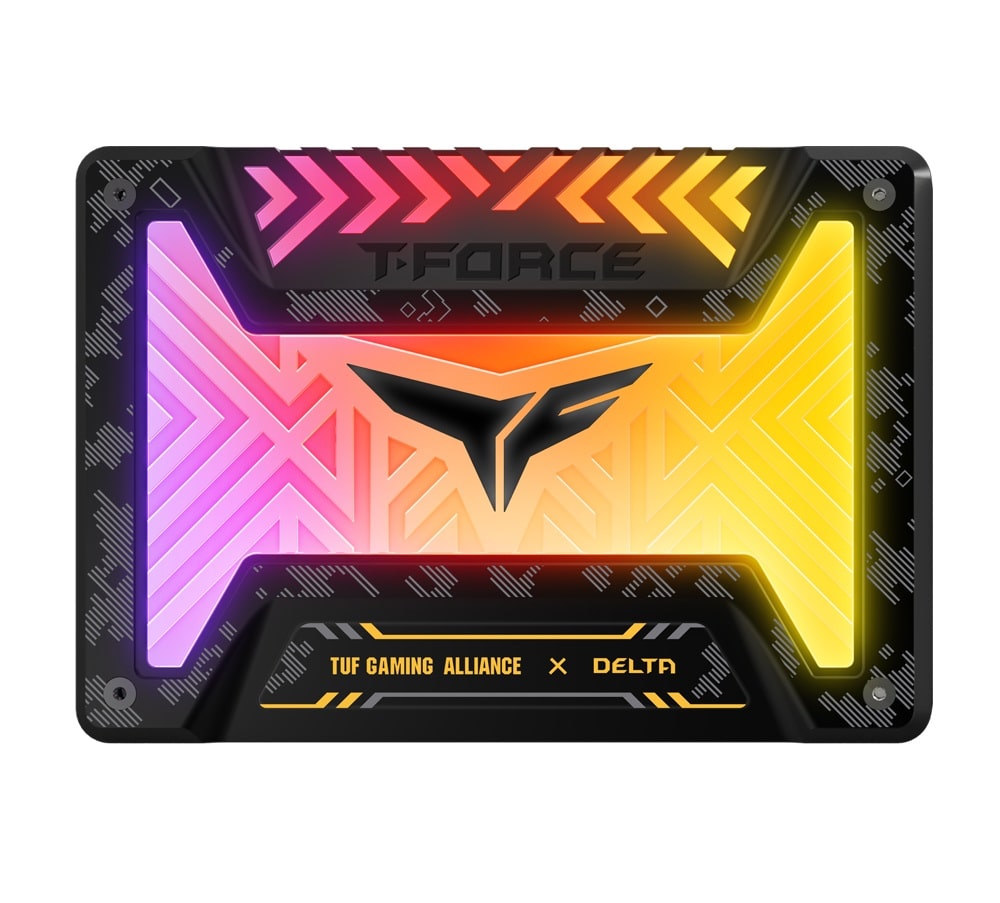
TEAMGROUP and ASUS unveil TUF Gaming Alliance T-FORCE CARDEA II PCIe M.2 SSD and DELTA 2.5-inch RGB SATA SSD
When a product is marketed to gamers, sometimes it means that it can help to improve the game experience. For instance, a gaming mouse or keyboard may provide more accurate controls. Other times, a "gaming" product is more about style -- having fancy RGB lighting or other cool "gaming" designs. Today, TEAMGROUP announces two new solid state drives that fall into the latter category. In a partnership with ASUS through the "TUF Gaming Alliance" program, T-FORCE shares the all-new TUF Gaming Alliance T-FORCE CARDEA II PCIe M.2 SSD and the TUF Gaming Alliance T-FORCE DELTA 2.5-inch RGB SATA SSD.
The T-FORCE CARDEA II uses PCIe 3.0 rather than the newer and faster PCIe 4.0, but in reality, that doesn't make any difference for gaming. Both the read and write speeds found on this drive are still quite impressive. It features an absolutely massive heatsink, making it imossible to fit inside a laptop. Hell, some desktops may have trouble accommodating it! The other drive -- the T-FORCE DELTA -- is a 2.5-inch SATA variant that has neat RGB lighting. If you have a window in your PC case, it will certainly look quite beautiful. If you don't have a case window, there is really no point in choosing it over any other SATA SSD.
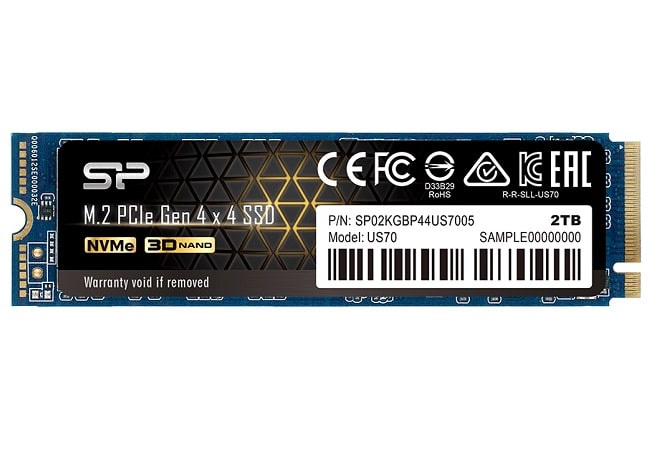
Silicon Power unveils extremely fast US70 M.2 2280 NVMe PCIe 4.0 SSD
The solid state drive market is evolving very fast lately. Not only do we now have an M.2 drive with a huge 8TB storage capacity, but PCIe 4.0-capable motherboards are becoming more prevalent. Why is PCIe 4.0 so important? Bandwidth, baby. Compared to PCIe 3.0, the new 4.0 has double the bandwidth. From a storage perspective, this means PCIe 4.0 solid state drives will provide insanely fast speeds.
Today, Silicon Power unveils an all-new SSD that uses PCIe 4.0. Called "US70," the company promises some impressive performance. For instance, read speeds can reach 5,000 MB/s, while write can go up to 4,400 MB/s.