
Meet the VERSABALL Beer Pong Robot -- are human players now obsolete?
I don't drink alcohol now, but I did many years ago in high school and college. For whatever reason, both young and older adults like to enhance their drinking with games. Quite frankly, drinking can be dangerous, and lead to foolish decisions, so making it into a competitive sport is probably not a great idea, regardless of how fun it is.
Beer pong is probably the most popular drinking-based game, and I can understand the allure. Your goal is to throw ping pong balls into cups of beer, in an attempt to get drunk. Believe it or not, there are even professional players that earn real money at tournaments. Today, the entire beer pong community has been rocked; this year at CES a robot called VERSABALL will be challenging humans in the game. Are human competitors in danger?

That iPhone 6 storage lawsuit is so bogus I just laugh
Oh the irony! I got up yesterday morning planning to write a version of the post you read now, choosing instead to look back at readers' life-changing tech. The trigger: Motorola starting the New Year with a 64GB Moto X model and my previous day's personal tech devices wrap-up, which got me to thinking abut smartphone differentiation. Processing power, graphics chips, and the like are passé. Who really cares but a minority of gadget geeks? But storage matters to everyone, and Apple gets it—as iPhone 6 and 6 Plus capacities demonstrate.
My feeds are full of reports this morning about a lawsuit filed against Apple alleging that iOS 8 consumes too much storage and, as such, the company misrepresents the amount available. I would have looked so smart writing yesterday about how much Apple gives that competitors don't. That's okay, now my analysis has a news hook. The point, for people reading no more than two paragraphs of any story: iPhone 6 capacities outclass competitors, and the problem of operating systems consuming much of available storage isn't new or exclusive to the fruit-logo company. Just look to Google and Microsoft, for example.

Cloud computing in 2015
It’s been a fascinating 2014 for the cloud. Some very niche technologies are hitting the mainstream, while the debate over data protection and governance clearly isn’t going away any time soon.
So, we predict the cloud will rise high in 2015 -- but how (and where) it is tethered to the ground will matter more than ever:

Sony offers compensation for PlayStation Network DDoS attacks
You don’t have to be a gamer to be aware that Microsoft and Sony's gaming networks were hit by DDoS attacks over Christmas. Hacking group Lizard Squad found itself on the receiving end of threats from Anonymous after disrupting gamers' holiday fun, and PlayStation owners found themselves unable to enjoy online games.
To thank its users for putting up with the outage, Sony is offering compensation to PlayStation Network users. As well as extending PlayStation Plus memberships by five days to make up for holiday disruption, the company is also offering all PlayStation Network users a discount code for the PlayStation Store.

Better Search: a one-stop web research assistant for Chrome
If you're starting a web research project then Chrome is an ideal companion: fast, easy to use, and with a capable bookmarking system to record your favorite sites.
There's still plenty of room for improvement, though, and Better Search extends the browser with a host of new search-related features and functionality.
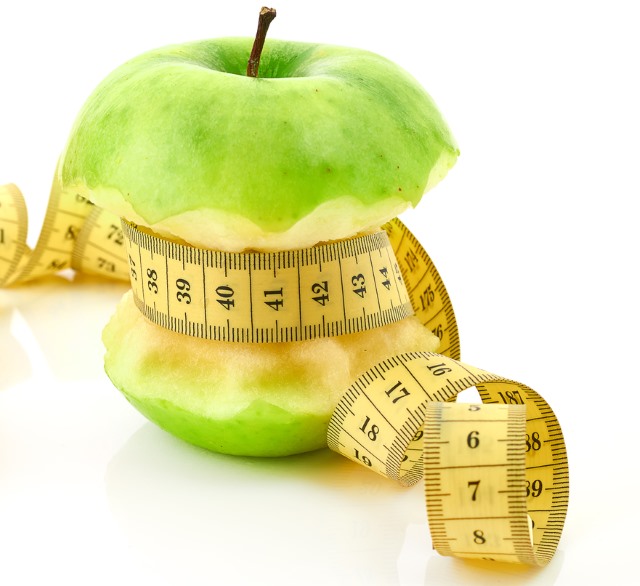
Apple sued by users who feel iOS 8 is too fat
It's at this time of year that many people start a diet -- and it's something that Apple might want to think about as well. Two US men are suing Apple because they believe iOS 8 is too big. Or, as the lawsuit puts it, uses an "unexpectedly large percentage of the storage capacity on 8 GB and 16 GB iPhones, iPads and iPods".
Paul Orshan and Christopher Endara complain that Apple failed to warn users that upgrading to the latest version of iOS could mean filling up to 23.1 percent of the available storage space. The lawsuit goes on to suggest that Apple is using the fact that users are likely to run out of space to push its iCloud storage service.

Greenshot adds screenshot callouts, resizing, more
You might have missed it over the holidays, but just before Christmas the excellent screenshot tool Greenshot was updated to version 1.2 with some major improvements and additions.
The program now supports selecting a capture region with the keyboard: just use the cursor keys to move the cursor (hold down Ctrl to accelerate), and press Enter to define the start and end points.

What to expect of FinTech in 2015
Ever since the global economic crisis led customers to question the previously unrivaled traditional banking system, we have seen a wave of innovative players rising up and re-shaping old-fashioned banking models. Over the past few years a host of new companies have shot up, offering alternative methods to everything from loans to foreign exchange services to investments.
While this FinTech revolution has been gradually gaining momentum, 2014 will forever stand out as a landmark year for the industry.

NetMarketShare adjusts its figures -- still has Windows 8.x losing major usage share
Yesterday, web analytics firm NetMarketShare released its monthly breakdown of desktop operating system usage share, and it contained a huge shock. According to the figures, Windows 8.x had dropped to its lowest usage share since March 2014, putting it back below XP.
It was a surprise because Windows 8 and 8.1 had both shown solid growth in the previous two months, but suddenly, according to NetMarketShare, 8.x had dropped a whopping 7.07 percentage points in a single month, most of that going to Windows NT. As I observed when reporting, something not quite right there. Late yesterday, the figures were pulled, and new ones have appeared today that show the tiled OS still doing badly, just not quite as badly.
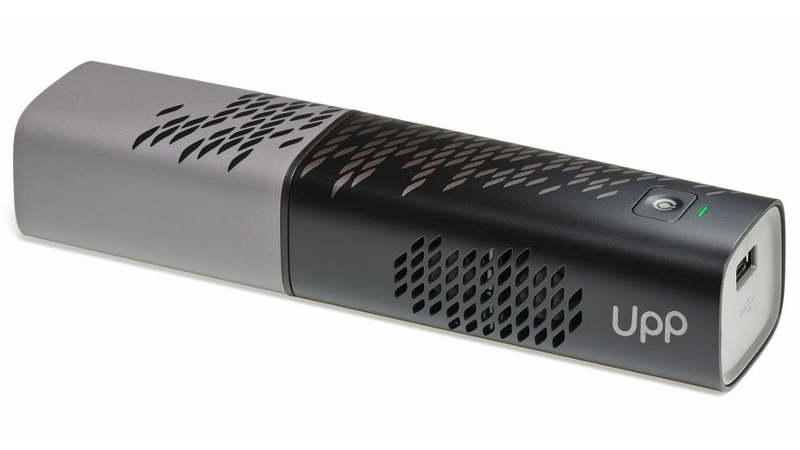
Upp's hydrogen fuel cell charger can power your smartphone for a week
A new way of powering your smartphone has been released that can provide a week’s worth of charge using renewable energy sources.
Upp is a portable power solution utilizing hydrogen fuel cells that should charge any USB-compatible device.

Tech That Changed Your Life in 2014
Three weeks ago I asked "What tech changed your life in 2014?" You answered here and on Google+. As the new year starts, I wonder what will make all our lives better. Apple Watch? I doubt it. Shake me awake from the nightmare if the wearable isn't the most successful flop of 2015. Windows 10? Skipping nine is a good sign, but is giving users more of what they don't want to let go life changing? Eh, no.
At the precipice of looking ahead, this is a last look behind. Once Consumer Electronics Show leaks and early announcements rush the InterWebs, all eyes will turn forward -- blind to what many people have, focusing on what they want instead. That's because "aspiration" is the defining word of the technology era, and the promise if you buy newfangled This or That your life will be better for it. Sometimes the promise is true, but too often not, which is why I asked the important question three weeks ago.
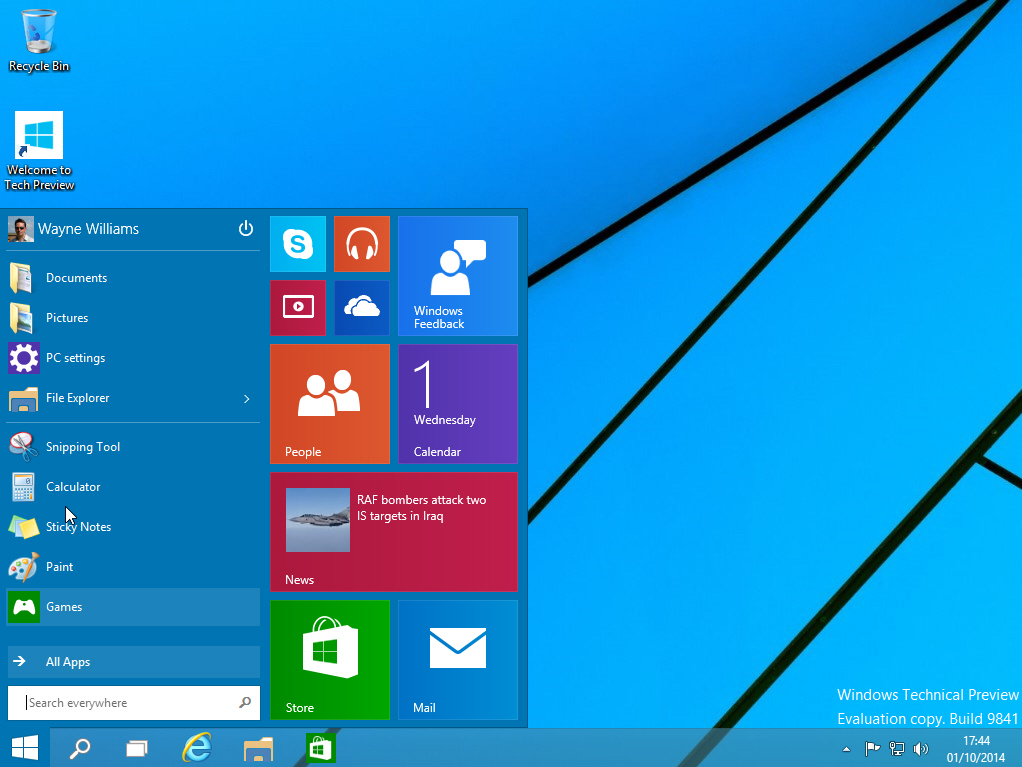
How to install Windows 10 Insider Preview on Oracle VirtualBox
Microsoft has just released the Technical Preview of Windows 10. It’s a very early build, so you wouldn’t be advised to run it as your main operating system, and while you could set it to dual boot, running it in a virtualized environment is probably a better idea.
The process is very simple -- all you need is a copy of Oracle VM VirtualBox and the Windows 10 Technical Preview ISO.
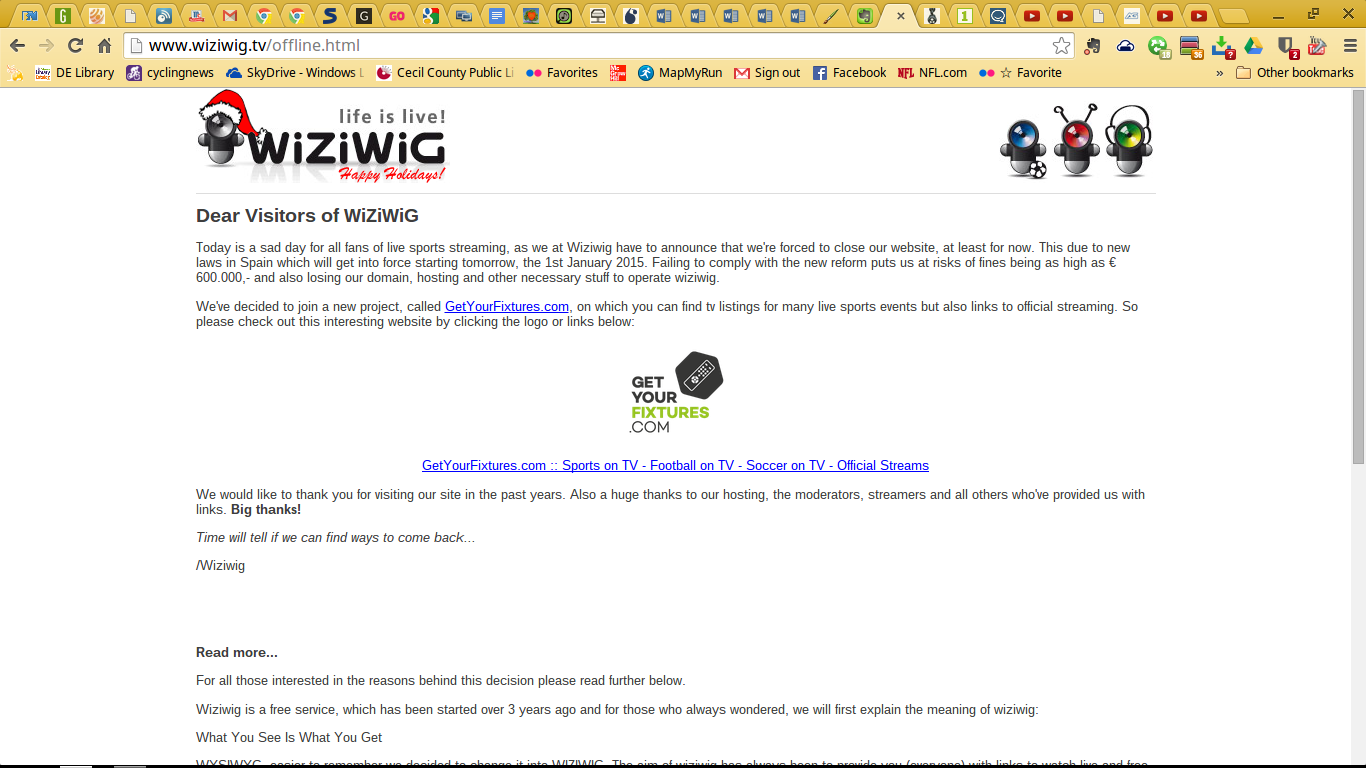
Want to watch live sports? You have one less option as Wiziwig shuts down
When it comes to cord-cutting, there are few options available to the sports fan. While some sports provide options for online subscriptions, the NFL is not among them, forcing fans to use "alternative" methods for watching their team play on Sunday. As the regular season ends, so does one of the best sources for accomplishing this.
Wiziwig.tv is closing its doors, after providing live streaming sports of all varieties to its users. The website cites a change in law in Spain that would possibly trip it up, resulting in ridiculously heavy fines if found guilty, which seems likely.

Windows Store attracts a third more active users in 2014
The Windows Store might still be a bit of a mess, and there aren’t anywhere near as many decent apps as those found in the Apple App Store and Google Play, but things are definitely improving.
Changes to the store in 2014 resulted in 30 percent more active users, and over 110 percent year-over-year increase in app downloads and gross sales. Microsoft says it has seen an 80 percent increase in registered developers and a 60 percent increase in app selection too, which is good news for the platform. The software giant has also revealed big plans are afoot for 2015.
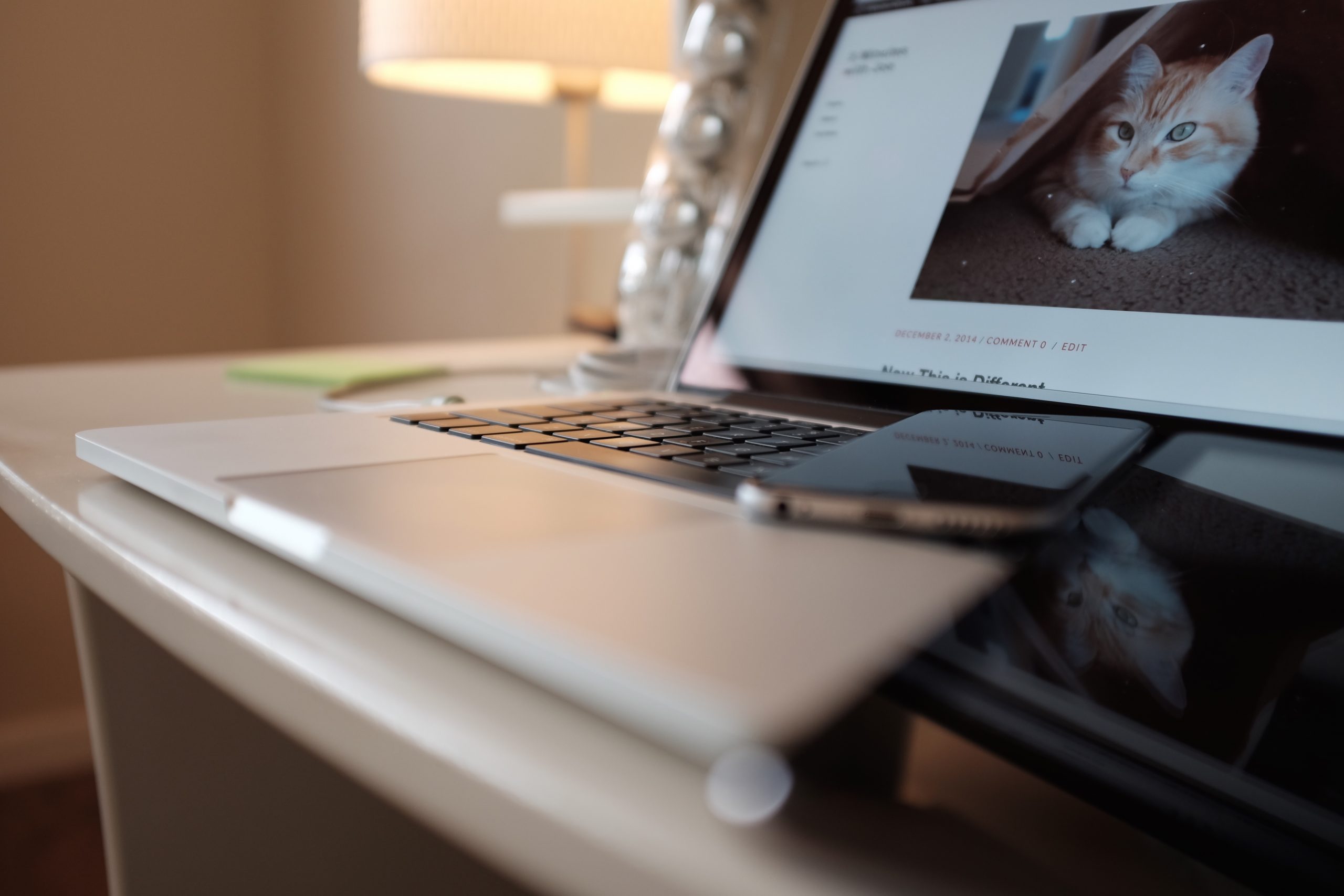
My favorite tech products of 2014 [Joe]
Looking back on this last day of the year, I wonder how my daily tech changed so much since the first. On Jan. 1, 2014, my core computing comprised Chromebook, Nexus tablet, and Nexus smartphone. Midyear, I switched out to all Microsoft—buying Surface Pro 3 and Nokia Lumia Icon. While commendable the effort, Windows poorly fit my lifestyle. Today, I'm all Apple—13-inch MacBook Pro Retina Display with 512GB SSD, iPhone 6 128GB, and iPad Air 128GB. I can't imagine using anything else.
Following the lead of my BetaNews colleagues Mihaita Bamburic, Ian Barker, Alan Buckingham, Brian Fagioli, and Wayne Williams, I review my year in tech, and unlike 2013 focus on products that released during the year. I present my 2014 personal tech alphabetically, from company name, rather than order of importance—because they all matter. Note: While the list looks like four, it's five because the first is two combined.