
iPad follows iPhone, gets the Mailbox treatment
On Thursday, following user demand, Mailbox released an update for its iOS mail app that introduces support for iPads. The service, which delivers more than 100 million messages each day, was previously available as an iPhone-only affair.
Mailbox boasts a better organized and easier to manage inbox, allowing its users to take advantage of swipe gestures to archive or trash messages. Similar to alarm clocks, the app also offers the option to snooze emails in order to receive them at a later date in the inbox.

Twitter follows the flock, introduces two-factor authentication
After a number of high-profile account hijacks and criticism from both its users and the tech media, Twitter finally decides to take security seriously. Today, the popular social network introduces two-factor authentication which, when enabled, requires users to type in an additional six-digit passcode received via SMS in order to log in.
Sadly, as I learned, not every user can actually enable the new security feature. Twitter says that folks must have a "verified phone number and confirmed email address", the former of which is still incompatible with my mobile operator: "Sorry, we don't have a connection to your carrier yet!". Other local mobile operators are supported, but not mine.
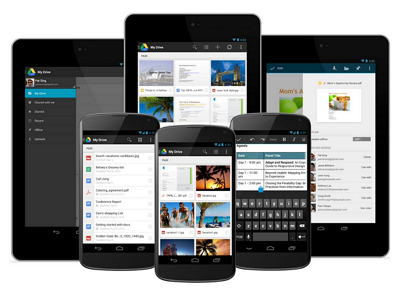
Google rolls out a 'smoother' Drive app for Android
The competition for your cloud business continues between Google, Amazon, Microsoft, Dropbox, Box and other competitors. Today Google takes its next step, with an attempt to make the experience better for Android customers with, what it terms, a "smoother" experience.
The search giant claims that Drive files will now be displayed in a clean, simple card-style. This will allow users to swipe between files to see large previews that will permit them to quickly review and discover the information they are looking for. If a customer wishes to keep some Drive files on his or her Android device, they will now be able to "download a copy" from the actions menu inside settings.

MediaFire introduces native music playback and video streaming for its Android, iOS and web apps
On Wednesday, cloud storage provider MediaFire, which now boasts 30 million users, launched support for native music playback and video streaming in its Android, iOS and web apps. The new feature is available through an update that is rolling out today.
MediaFire currently offers three plans -- basic (free), Pro and Business -- which come with 50GB, 100GB and 1TB of cloud storage, respectively. However, users who do not wish to shell out for a premium plan (either Pro or Business) are stuck with a 200 MB limit for uploaded files, which suggests that they are not able to take full advantage of both music playback and video streaming support.

Dropbox picks up single sign-on -- business users drop passwords
As cloud-based storage gains traction vs. physical storage, there have been many big-name providers popping up, such as Google Drive and Amazon Cloud. However, Dropbox continues to be an extremely popular option for both personal and business users alike.
While already popular for business use, the company announced on April 10, 2013, that it was working on single sign-on for business users. This would enable Dropbox to better integrate with the corporate world -- a huge step towards broader corporate adoption and acceptance.

A new social platform for Microsoft channel partners
The Microsoft partner network (MPN) is Microsoft’s ‘official’ body for channel partners. A Microsoft partner is one of the 640,000 companies worldwide that build, sell, or consult with Microsoft products. Most of these companies operate in the small-medium enterprise (SME) space, selling services related to Azure, .NET and SQL, Office 365, and SharePoint.
The MPN isn’t a revenue earner for Microsoft in itself, but the reason for its being is pretty clear. A successful partner ecosystem means lots of lovely license sales for Microsoft. With Office 365 subscriptions to push (and Windows likely following this model sooner rather than later) the MPN is a pretty important area for Redmond guys right now.
Suddenly, I care about Yahoo again
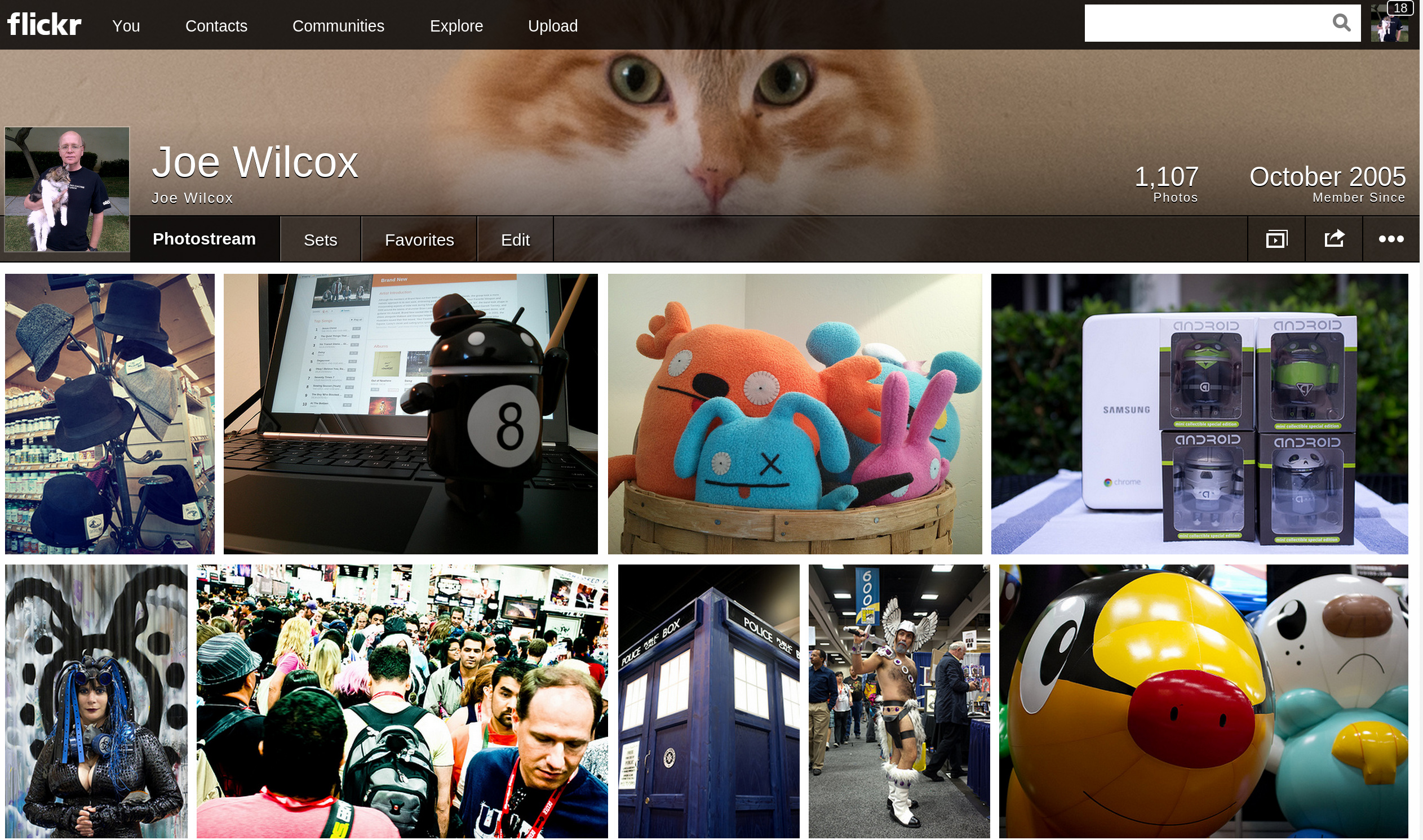
My oldest email address, circa 1996, is with Yahoo -- just three letters. I joined Flickr in October 2005 and Tumblr in May 2008. Three years ago, I stopped paying for Yahoo Mail, mostly abandoned the photo-sharing site and essentially stopped blogging at the social network. But I'm psyched now. Maybe former Googler Marissa Mayer can save the grandpa dot-com after all.
Today colleague Wayne Williams asks: "What will it take for people to care about Yahoo again?" "May 20th" is my answer. On the same day that Yahoo bought Tumblr for a cool $1.1 billion cash, the rickety dot-com gave Flickr the biggest makeover ever. Subscribers get 1TB of storage, on a site suddenly beautifully modern and supported by a hot, Android app. Google CEO Larry Page, Mayer just thumbed her nose at you.
Opera for Android exits beta -- new Webkit engine, new features
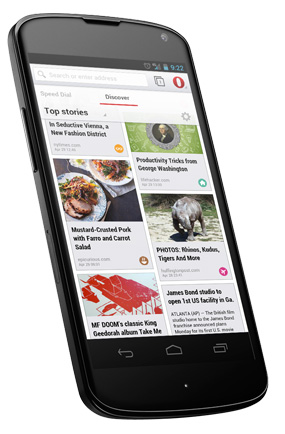
On Tuesday, two and a half months after the first beta was released, Opera announced that its new WebKit-based browser for Android is now available as a "final version". This is just one step towards a Presto-free Opera as, in mid-February, the Norwegian company revealed that it will slowly adopt the WebKit rendering engine across all of its browsers.
Opera for Android, among other new features, emphasizes content discovery by allowing its users to find (and read) various articles straight from the browser's homescreen. Folks simply have to select their areas of interest, such as arts or technology, and Opera displays a number of stories from "relevant global and regional sources". This is similar to what Flipboard and other apps deliver.

Cloud apps: the future or just a passing fad?
Cloud, cloud, cloud, cloud, cloud. This fairly innocuous word has become one that is bandied around with abandon, often with the misplaced notion that it adds an element of 'cool' that was not previously present. But is working in the cloud all it's cracked up to be? Is it necessary? Should you care about it?
You don't have to think back all that far to remember a time when simply being online seemed like a fairly alien concept -- never mind actually working online. When the concept of Active Desktop was added to Windows 9x the notion of staying online throughout the day just to see the desktop update with the latest weather forecast, news, stock prices or other data was unimaginable.
Flickr gets a redesign, gives users 1TB of storage for free
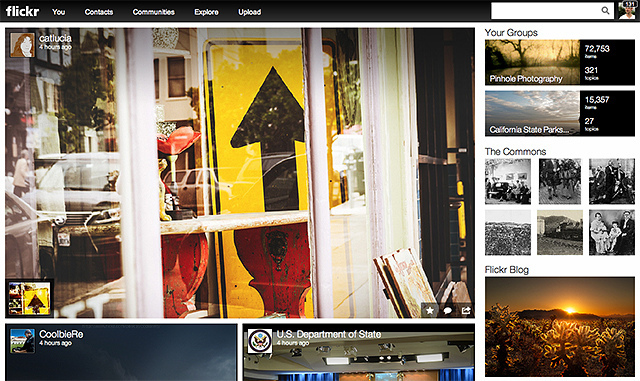
Flickr is the service Yahoo forgot about between its latest Mail and homepage redesigns. It's boring, outdated, bland, ugly and uninviting and these are just a couple of the words that cross my mind right now. Thankfully, Flickr wants to change all that with the latest revamped version, announced late-yesterday. You know, maybe the cool kids will want to hang out again.
The biggest change comes from the new website, which drops the old design. It's now fresh, simple and modern and gives the cloud service character. Big photos in the stream, menu bar on top and the usual suspects on the right -- Explore, Flickr Blog and a list of people you may (want to) know -- dominate the uncluttered experience. Friends get a similarly-styled profile page which emphasizes shared content.

Telefónica provides Microsoft with 130,000 new Office 365 users
While Microsoft continues to attack Google using its "Scroogled" campaign, the company also adds to its corporate user base at a steady, and perhaps increasing, rate. Ironically, less than a week after taking on Google Docs with not one, but two videos, Microsoft adds another major corporation to its Office 365 subscriber list, this time in the form of Telefónica, a major provider of integrated communication solutions.
Telefónica will add 130,000 employees to the Microsoft cloud solution, not only using Office 365, but also Yammer. "Over the past 18 months, we have built very strong foundations and are now ready to move to the cloud," said Adrian Steel, the European production hub lead and global director at Telefónica. Steel goes on to explain "Deploying Office 365 and Yammer is this next step in bringing our global workforce to the forefront of seamless communication and collaboration while still operating at the level of speed and execution we’re known for".
SkyDrive gets photo timeline, faster uploads
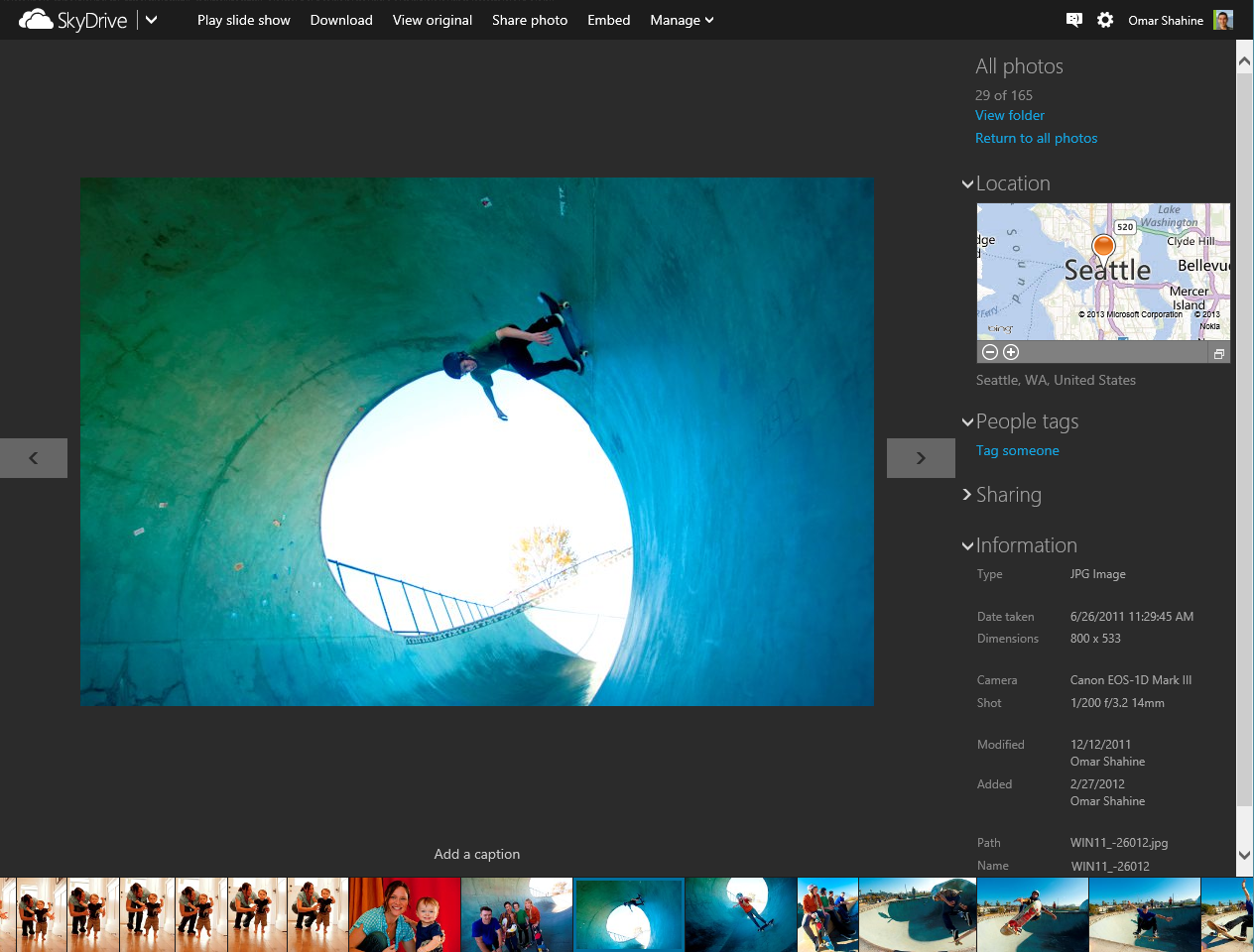
Cloud storage solution SkyDrive is getting additional functionality. Microsoft is banking on the service becoming the primary storage method for those who are part of the company's ecosystem. The software giant has made SkyDrive a focus in both Windows 8 and Office 2013 / 365 Home Premium.
Microsoft's Omar Shahine announces that "starting today and rolling out over the next 48 hours, we're making it easier for you to see all of your photos in SkyDrive across all your albums and folders based on a timeline view". With timeline view you will be able to scroll down to navigate through all of the images. They are organized into groups by event and time.

Box updates Windows 8 and Windows Phone 8 apps with new features
Late yesterday, cloud storage provider Box released updated apps for Windows 8 and Windows Phone 8. The latest iterations come with new features which are designed to "give users and businesses better control and enhanced security over their content". Let's take a look at the changes.
The most noteworthy feature introduced on Box for Windows 8 and Windows Phone 8 is the ability to manage (add, change and remove) access permissions for any collaborator in any folder, which the user owns. This functionality is aimed at both users, like students working together on an assignment, and businesses, which need in-depth collaboration features to manage a project.

MultiPLX is latest RSS alternative to dance on Reader's grave [review]
I am long done with rattling on about Google's decision to kill Reader. I get it. RSS is popular with our crowd -- the tech writers and those who follow multiple blogs and wish for an easy way to keep up. That is where the service excels. But, let's face it -- the vast majority of people do not use this technology. My wife and kids, savvy computer users, would not know what RSS was if I asked.
However, the software has a niche, and sometimes a niche is all that is needed for a successful business. We have alternatives in Feedly, The Old Reader, Feedspot and Digg, which has bun in the oven. There are lesser-known options as well, but most users seem to be destined for one of these already established programs. Several have had to beef up server capacity and bandwidth to cope with new-found popularity.

Microsoft releases two sad 'Scroogled' ads attacking Google Docs
Despite the almost laughable nature of the Scroogled campaign, Microsoft continues to push it. The company slams Gmail, but that is not enough. Jake Zborowski, senior product manager for Microsoft Office, releases not one, but two blog posts that attack Google Docs. Both are accompanied by ads -- low resolution videos that view like someone pulled them from the cutting-room floor.
"Converting Office files into Google Apps is a gamble" Zborowski claims in one post. "Why take the gamble on converting your Office files to Google Docs when you can use Microsoft Office and the Microsoft Office Web Apps to create, share and edit your Office files with your content intact", he explains. A new casino-themed ad accompanies the post and features B-list celebrities Rob Schneider and Pete Rose.