


Makeover Windows 7 with Modern UI
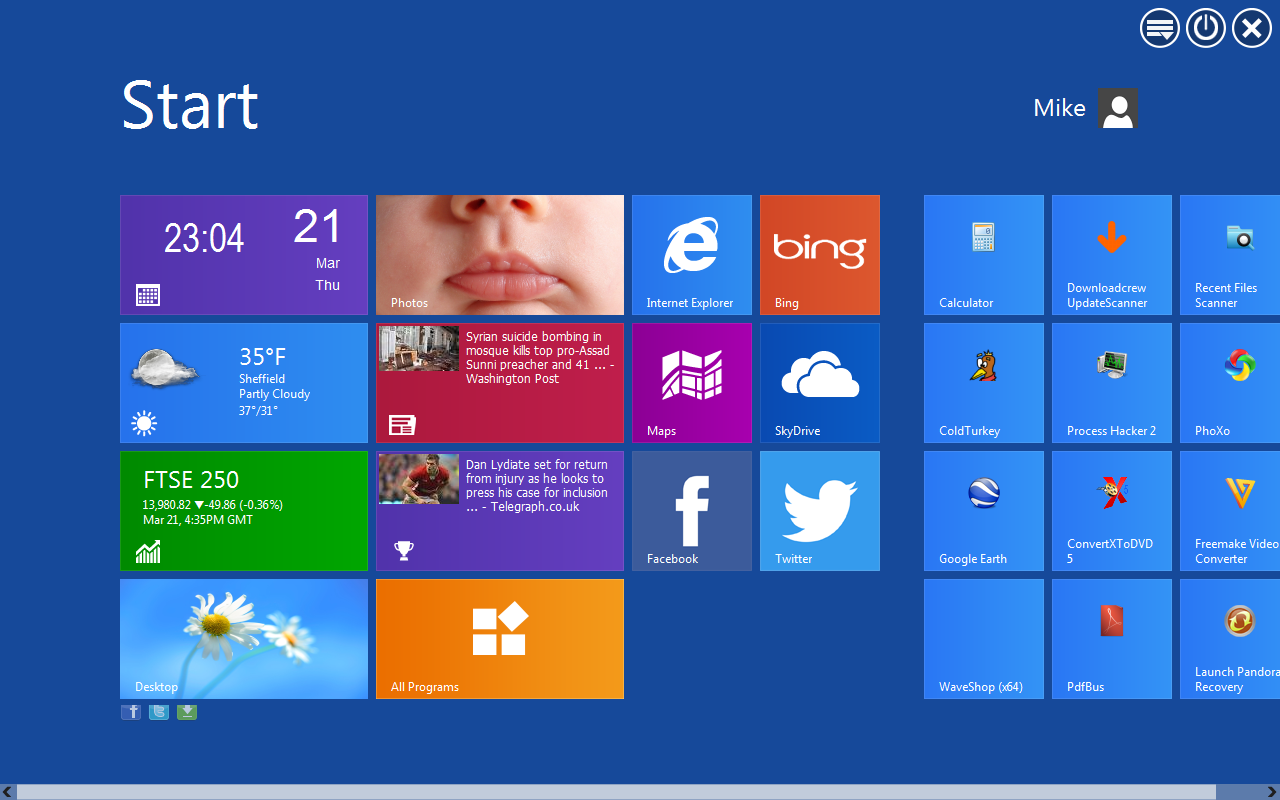
Windows X has released updates for its skinning tools, Windows 8 UX Pack 7.0 (for Windows 7) and Windows 8 Transformation Pack 7.0 (for Windows XP, Vista and 7). The programs bring much of the look and feel of Windows 8 to earlier desktops.
One notable change this time around is the inclusion of WinMetro as an alternative Start Screen for both packs. Windows X says the program is stable and not resource hungry, which perhaps is why they’ve made it the “Immersive UI” alternative, but if you prefer the older Newgen, just the charms bar, or nothing at all, then all those options are still available.
Overhauling a home network, part 5 -- Back to the future
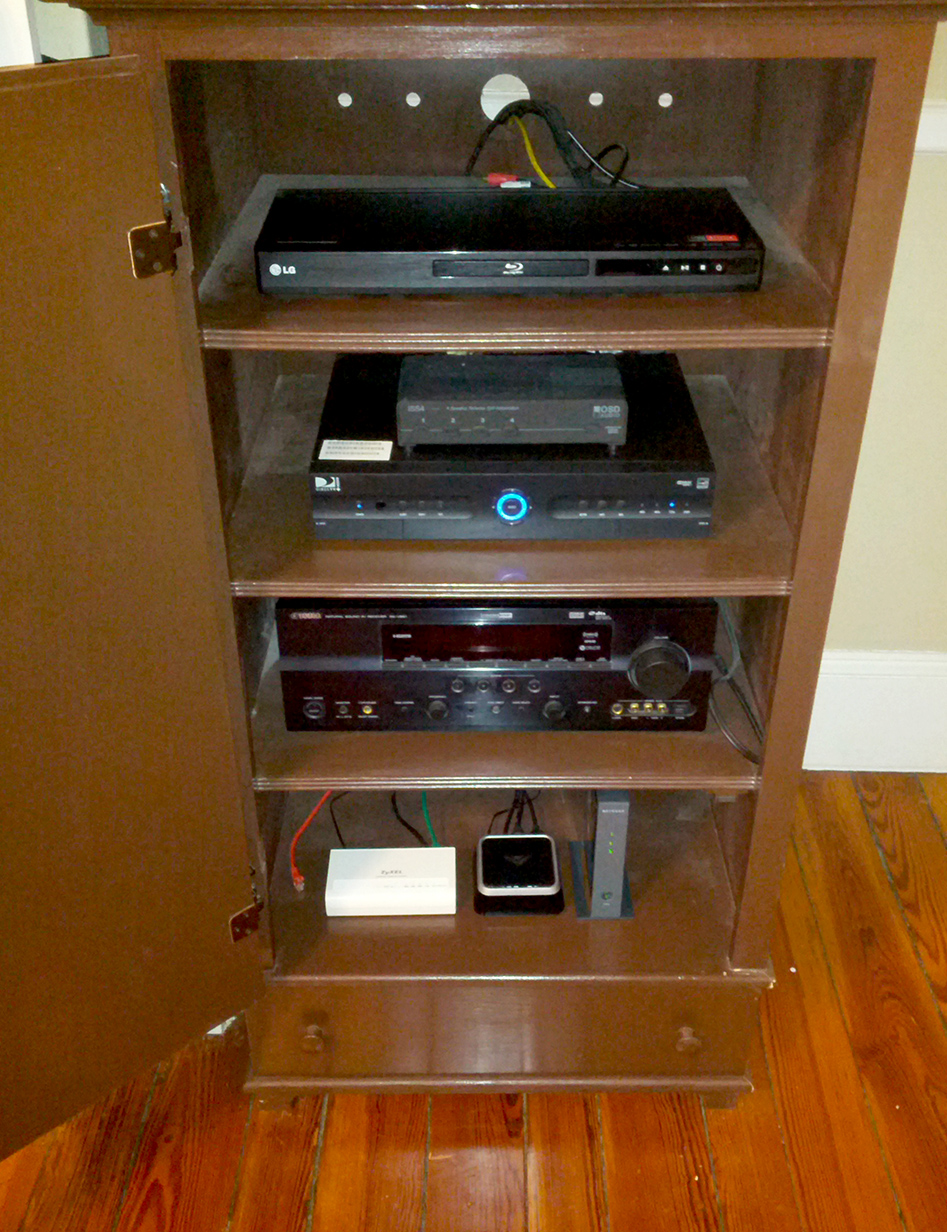
With last week's installment, this little series largely came to an end for now, but it doesn't mean that I am not actively planning for future improvements to the digital lifestyle in our home. In fact, my list of ideas for improvements is a rather lengthy one, though the expenses are enough for now and I have no desire to incur the wrath of my wife with more deliveries showing up on our doorstep.
But, where exactly do I want to go from here? The ideas are endless, but for the sake of brevity I will list only a few here. These are the ones I have prioritized at the top of that future list. The ones I consider most important to make everything work quicker and more smoothly.

JumpListsView tracks PC activities
NirSoft has announced the release of JumpListsView, a new tool that displays details of the jumplist records stored on Windows 7/ 8 PCs.
And the end result is a detailed report on many of the files and folders opened on your PC, perhaps going back months.
Accidental Empires, Part 14 -- Software Envy (Chapter 8)
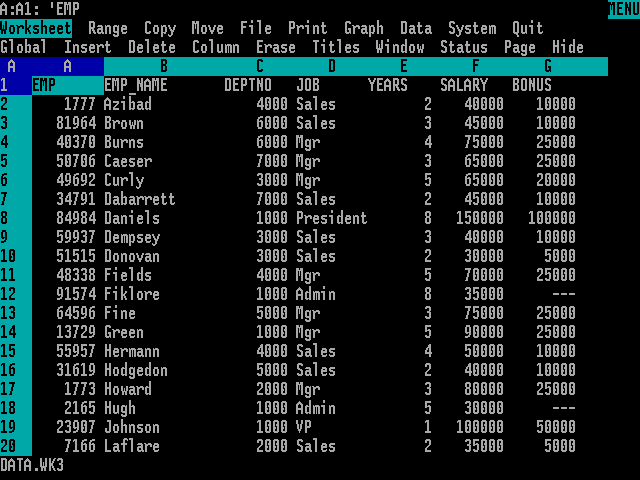
Fourteenth in a series. We resume Robert X. Cringely's serialization of his 1991 tech-industry classic Accidental Empires after short repast during a period of rapid-fire news.
This installment reveals much about copying -- a hot topic in lawsuits today -- and how copyrights and patents apply to software and why the latter for a long time didn't.

Break your bad web habits by going Cold Turkey
You’re at the PC, with lots of important work to do. And you’re going to get started on it -- once you’ve checked Facebook. And Twitter. Then watched a YouTube clip someone mentioned earlier, checked what’s happening on eBay, and worked your way through a host of other online distractions.
Sounds familiar? Then you might like Cold Turkey, a simple free tool which can temporarily block access to your favourite web destinations.

I'm puzzled by Chrome World Wide Maze
You'll never guess what you gave up Google Reader for? The tried-and-true makes way for a few, ah, experiments. Newest: Chrome World Wide Maze. Geekdom is abuzz about the oddity this evening. I'm simply baffled, although I see the benefits as a technology preview, which surely must be the point.
Essentially your mobile device running Chrome becomes a remote control for a 3D-maze makeover of any website. I couldn't help myself. I chose bing.com. The setup is a bit convoluted, using -- and therefore showcasing -- tab sync. The process involves opening the site from tabs already available on the other device and completing a handshake using a six-digit number. Then the fun begins, or would have if Chrome Beta for Android hadn't crashed and disconnected while my wife took photos. (Hey, every story needs art.)
Have you noticed more ads on your Mac?
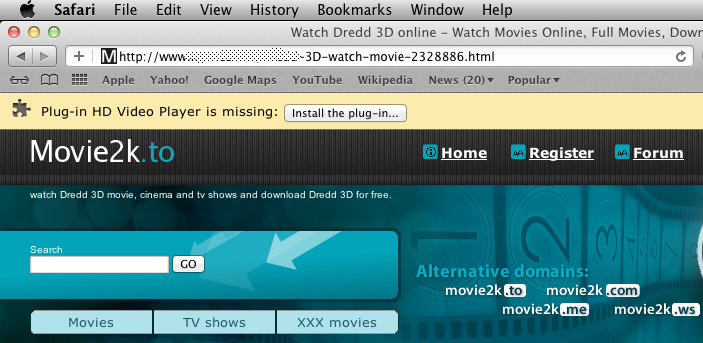
If you are on a Mac and using either the Apple-supplied Safari browser, or one of the popular alternatives like Firefox or Chrome, then you may have begun noticing some unexpected ads in the browser lately. Hopefully not, because it spells bad news for you, and that news is Trojan.yontoo.1.
Security firm Doctor Web is credited with the discovery of this latest attack on the Apple ecosystem. Like many Trojans though, it requires the user to make mistakes in order to get a foothold on the system. In fact, the cardinal mistake, clicking on a pop-up plugin message, is the culprit.
Lose something on you PC? Recent Files Scanner has your back
You’ve lost that important document you were working on yesterday; you’re wondering which files a program is accessing; or maybe you’d just like to know what someone else has been doing on your PC. There are many reasons why you might want to know which files have been created, modified or accessed on your PC -- and Recent Files Scanner is just the tool to help.
To get a feel for how the program works, just launch it and click the green Scan button. By default it will scan your Documents folder and any subfolders, and you’ll quickly be looking at a report listing everything you’ve modified recently.
Nokia Lumia 920 arrived and I'm thrilled
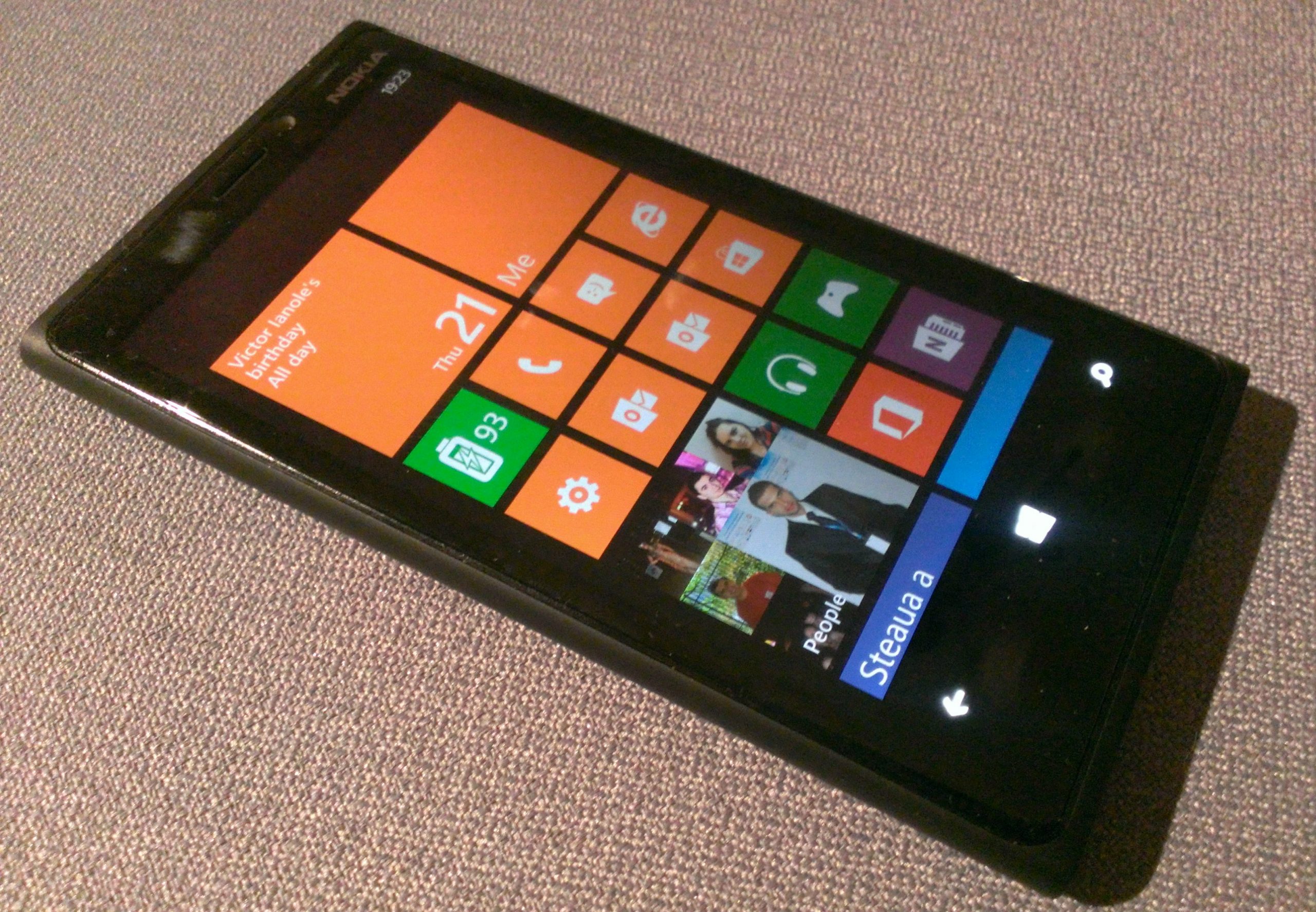
Not even during my time as a child opening up presents from under the Christmas tree have I ever been so thrilled and pleased about a new toy as I am today. Some of you may call me a fool for trying to mend a close-to-broken relationship, but I gave Windows Phone 8 another try and purchased a Nokia Lumia 920. And, oh boy, do I feel like a fool for buying the HTC Windows Phone 8X two months ago.
At its core, the Nokia Lumia 920 is still a Windows Phone 8-based smartphone but the overall experience that exudes from using it is totally different compared to what I am used to. The Lumia is bulkier, heavier and better built than most smartphones on the market today, all while telling a different software story than the Windows Phone 8X, which now feels agricultural. Depending on where your preference lies that may either be a desirable trait or big no-no.
Microsoft details how much of your data the Feds want
Last month Google released a transparency report revealing how often law enforcement inquires about users' private data. Hint: it's more often than you want to believe. Not to be outdone, today Microsoft posts its own data, which the company refers to as the "2012 Law Enforcement Requests Report".
While the number of requests may seem staggering, there is some perspective to be had in all of this. First the raw data reported -- "Microsoft and Skype received a total of 75,378 law enforcement requests. Those requests potentially impacted 137,424 accounts". Sounds rather high doesn't it?

Happy Birthday! Twitter turns 7
I've been on Twitter so long, I forgot just how short a time that really is -- or how much has changed since March 21, 2006. The service claims 200 million active users tweeting 400 million times a day. But the real measure is much larger -- how Twitter, and other innovations arriving around the same time, fundamentally changed billions of lives five to seven years later.
The service's editorial director, Karen Wickre, calls Twitter a "global town square", which is appropriate description. People gather to look, listen, gossip, grab news or listen to the town crier. I've often grumbled about the 140-character limitation, but brevity has benefits. Statements are succinct. No one talks on and on and on without interruption. If anything, butting in defines Twitter interaction. You will be heard whether or not anyone wants you to be.

What Eric Schmidt REALLY SAID about the future of Android and Chrome OS
Eight days ago, Google dropped an atomic bomb on the Android Army, with Andy Rubin's sudden departure as commander-in-chief. Sundar Pichai, who is responsible for Chrome and Apps, assumed Android leadership. The change led to much speculation that the operating system would sometime soon merge with Chrome OS. As the fallout spreads, an answer arrives: The question is irrelevant.
Google Executive Chairman Eric Schmidt tells reporters in India that Android and Chrome OS will not merge but converge, says Reuter's Devidutta Tripathy. But there's no quote, just paraphrase, which worries me about context. Fortunately, there is a video that provides context and reveals a different priority: Chrome.
Google shutting down Reader is great news
I’m a big fan of Google Reader. I don’t just access it every day, I access it, probably on average, every couple of hours or so (and still do, despite my switch to Microsoft). I have hundreds of feeds in there, and thousands of stories starred. So really I should be gutted that Google has decided to kill it off. But I’m not.
I was at first though. I even signed the petition to get Google to change its mind, even though I knew it was futile. But then I took a step back and realized that what initially seemed like devastating news for a Reader fan such as myself, was actually a blessing in disguise.
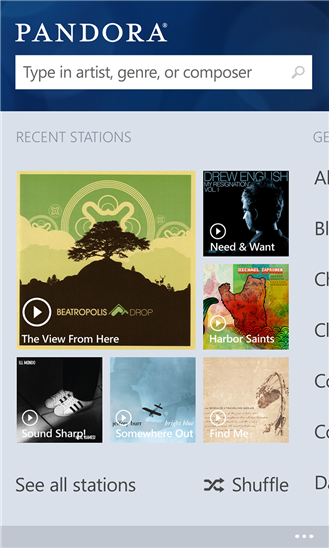
Pandora arrives on Windows Phone 8
Back when Microsoft launched Windows Phone 8, in late-October last year, the company promised that Pandora would arrive on the smartphone operating system sometime in early 2013, bringing along with it a year's worth of free music with no ads.
Today, Microsoft has kept its promise and delivered the popular app on the Windows Phone store. On Twitter, Microsoft's Joe Belfiore announced: "Oh heck, been dying to share PANDORA! Totally free, no ads through 2013. Best Pandora on any phone, IMO".
And the app, indeed, touts "no ads and no monthly streaming limit...for FREE". On Windows Phone 8, Pandora allows users to pin favorite stations on the homescreen and see what is playing by looking at the Pandora live tile. Other exclusive features include filtering explicit content using Kid's Corner to keep the youngsters away from sensitive music and the ability to access a recent stations page and look at the current favorites.

YouTube reaches one billion unique monthly visitors
Despite our recent disdain for Google, there's no denying the Mountain View, Calif.-based company is a juggernaut when it comes to web traffic. It totally dominates search and its YouTube subsidiary, which has just announced a brand new milestone, is equally unstoppable in the online video market.
The YouTube team claims the service "now has more than a billion unique users every single month", which is a phenomenal figure. The service, which was started back in 2005, has been growing steadily since inception and was purchased by Google in 2006, perhaps saving the video company from being litigated out of existence.



