
10 Windows 8 features you should know about
Windows 8 will make its public debut on October 26 and has been controversial ever since Microsoft first released information about the operating system to the public. What most can agree on is that Windows 8 is a shift away from the traditional desktop-orientated operating system towards a system that can be deployed on a wider variety of devices.
The 10 features listed here are but some of the benefits coming with Windows 8.

The cloud is still the safest place to be for small-to-medium businesses
Cloud security has been a hot topic in the news lately. While most of the hacks reported in the press have affect consumers and popular free services, there’s no question that some businesses will be concerned, in the light of all these negative reports, about just how safe their off-site data actually is. It’s one thing for an individual like Mat Honan to lose his digital identity, but if a business loses the data it has stored in the cloud (or worse still, if it should fall into the wrong hands), that can have truly catastrophic consequences, both in terms of monetary loss and damage to reputation.
The perceived risk of cloud storage might have some small-and-medium businesses rethinking their strategy and looking to return to the old days of just backing up locally. But doing so could actually put company data at far greater risk. If the firm’s servers fail as a result of a cyberattack or a natural disaster, it’s going to be much harder to affect a speedy recovery.
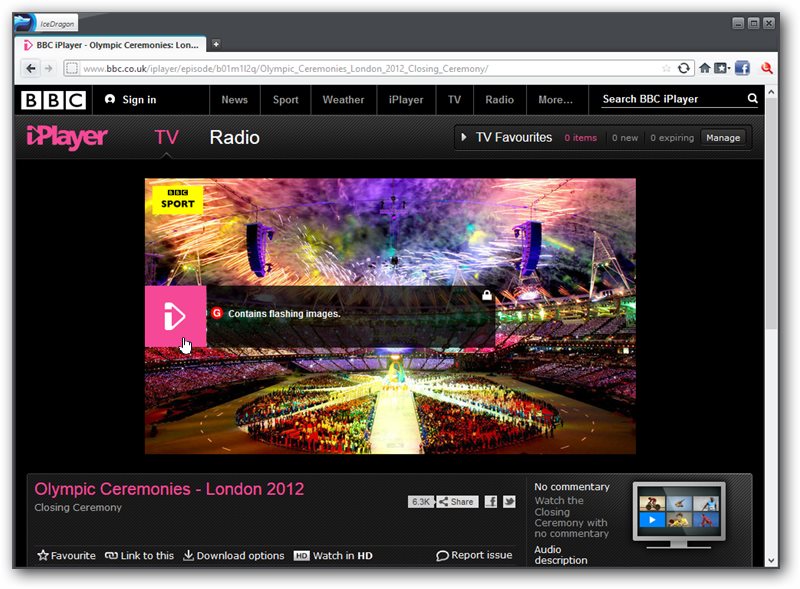
Comodo IceDragon 14.0 released -- get it NOW!
One of the fundamental aspects of open-source software is that it’s open for all to use or modify as they see fit. Comodo has taken this approach to release its take on two open-source browsers, namely Google Chrome and Mozilla Firefox, with the release of Comodo Dragon and Comodo IceDragon respectively.
Both browsers attempt to provide more secure alternatives to the originals -- although on Windows builds are provided, and with the release of Comodo IceDragon 14.0, Comodo has added an extra layer of protection in the form of CertSentry in addition to a number of other tweaks and improvements.

Check your pulse -- automate the dynamic enterprise
How do you keep up with the pulse of your business? For most companies, everyday activities are based on business processes that are repeated and repeatable. A retail company takes in sales. They process credit cards. They order more stock. They replenish inventory. A manufacturer procures raw materials in a global market. Then, they transport them to the manufacturing facilities. Finally, they create their product and distribute it.
No matter what the business or the task, every activity that costs or makes money is governed by a process. In the current business landscape, most businesses run these processes using IT tools. Managers look to IT to build in logical, dependent frameworks that keep the whole business running like clockwork. With the Internet, Cloud and mobile technologies, IT also has the task of connecting all of these activities together so that they can be controlled, orchestrated and monitored from almost anywhere.

Red Hat's OpenStack preview debuts, supported version due in 2013
Red Hat released a preview of its OpenStack cloud platform, and says a fully supported version will debut in 2013. The move puts the open-source software company in direct competition with Citrix and its CloudStack offering, a move aimed to solidify its position in the cloud computing industry.
The company's software joins at least two other enterprise-grade OpenStack distributions: Piston Computing's Enterprise OpenStack, and another called Nebula, which was created by OpenStack cofounder Chris Kemp. Nebula will debut within the next several months.

If it rains, is your data safe in the cloud?
This is a followup to my recent column about Steve Wozniak’s warning on the perils of cloud computing, especially cloud storage. It might surprise many users to know there are firms that sell cloud storage and do not back it up. They rely on the disk RAID and some redundancy in the cloud to “protect” your data. If something happens to their datacenter, they could probably not recover your data.
Remember MailandNews.com? They did not have a viable business model. They also didn’t back up their servers. One day they had a big crash and relied on the RAID array to recover the data. It took two weeks and still not all of the data was recovered.
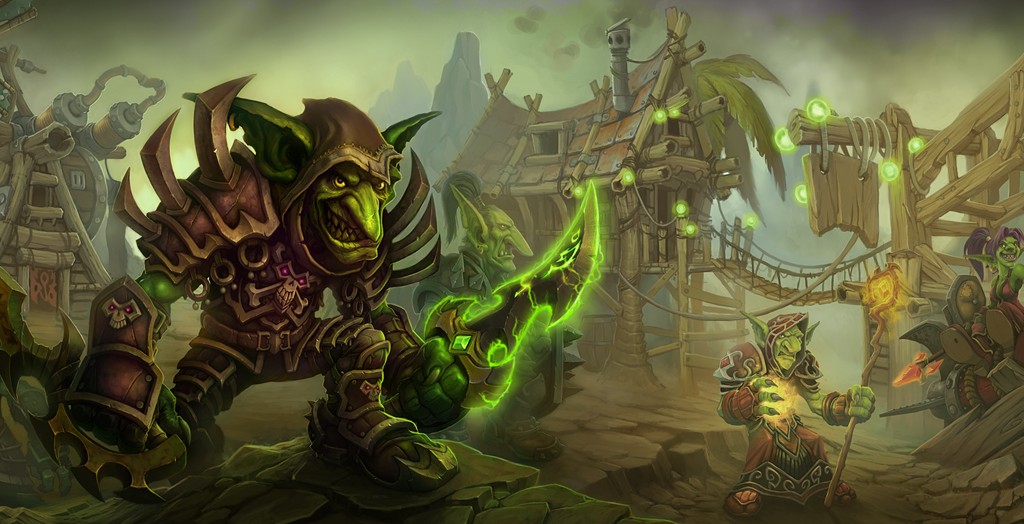
Blizzard hacked for real this time -- change your passwords NOW!
In May we read that game maker Blizzard, developer of a series of popular games including World of Warcraft, Diablo III and Starcraft, was hacked, but that turned out to just be individual compromised accounts from some of its users. Now we read, from Blizzard itself rather than a third party, that they have been hacked and information compromised on their networks. So how are they doing with the breach?
"This week, our security team found an unauthorized and illegal access into our internal network here at Blizzard", the company says. So did they respond well? It seems they got the jump on things and responded quickly, a smart move: "We quickly took steps to close off this access and began working with law enforcement and security experts to investigate what happened."

The problem with cloud security is...
Sharing details of the hack that “wiped his life” has earned Mat Honan a place in the annals of information system security; the specific interdependence of flawed authentication systems that cost him so dearly -- encompassing Apple, iCloud, Amazon.com, Gmail and more -- would probably still exist if Honan had not gone public. Wired has the full story for those who have not been watching it unfold on Twitter.
As news spread last weekend about how much of Honan’s data the hackers had wiped out -- by social engineering Apple Support into wiping his iPhone, iPad and MacBook -- the company quickly moved to suspend over-the-phone resetting of Apple ID passwords. Amazon also reacted and, according to a follow-up report in Wired: “handed down to its customer service department a policy change that no longer allows people to call in and change account settings, such as credit cards or email addresses associated with its user accounts”.

Steve Wozniak is right -- users are going to eventually be burned if they rely solely on cloud backup
Apple co-founder Steve Wozniak this week warned of the perils of depending too much on cloud storage and the general press reacted like this was: A) news, and; B) evidence of some inherent failure in cloud architecture. In fact it is not news (Woz never claimed it was) and mainly represents something we used to call “common sense”.
However secure you think your cloud storage is, why solely rely on it when keeping an extra backup can cost from very little to nothing at all?

Microsoft Attack Surface Analyzer 1.0 sniffs out security weakness
After more than 18 months in beta, Microsoft released version 1.0 of its free Attack Surface Analyzer, a tool which aims to highlight security weaknesses that have been introduced by the installation of any given application on a Windows 7 PC.
And as with the previous builds, the program is very easy to use. You run a baseline scan to capture your setup now, install an application, run another scan, and the Analyzer tells what’s changed: new processes, services, loaded modules, network connections and a whole lot more.
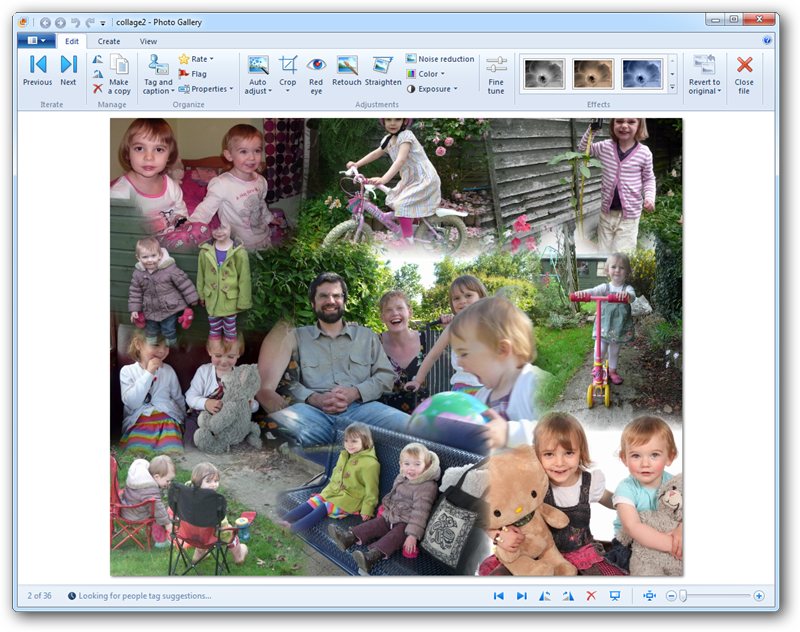
Microsoft's Essentials 2012 drops Live branding, Vista support and pumps up Windows 8
Microsoft has released Windows Essentials 2012 for Windows 7 and 8 users, but drops support for Vista. The new version drops “Live” branding and features notable new capabilities and improvements to its multimedia tools, Photo Gallery and Movie Maker.
The suite also drops Windows Live Mesh for the SkyDrive file-syncing tool. In addition, it includes Mail, Messenger, Writer, Family Safety and Outlook Connector Park, all of which feature in previous releases.
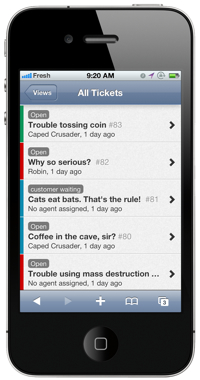
Freshdesk's cloud helpdesk SaaS launches as HTML5 web app
Cloud-based customer service startup Freshdesk on Tuesday announced the availability of the HTML5-based mobile app version of its helpdesk solution called FreshMobile. Like Salesforce's recently launched Desk.com mobile support solution, FreshMobile hooks up with the Freshdesk CRM system and lets agents resolve customer queries from any mobile device.
The idea behind FreshMobile is that it makes mobile support possible while working within the constraints of a mobile device. Freshdesk agents can create, save and reuse canned response templates for replying to tickets from their mobile device. The application also introduces a feature called "Solution Suggest," which uses previous activity to learn the most likely course of action on a given support ticket.

Facebook and Twitter will soon feel the 'MySpace Effect'
If you still have a MySpace you likely fit into one of three groups: You forgot to formally delete your account; you are trying to advertise your small-time band to a couple dozen hardcore leftover users; you log into MySpace right after you finish signing into AOL Desktop merely as a matter of old habit.
But I'm not interested in singling out those still using the service, as the droves of users who have dumped the website outright far outnumber the faithful by now. I'm outlining something I'd call the "MySpace Effect".

Why aren't you mobilizing your business in the cloud?
Is your business cloud-ready? More importantly, are you using the cloud to mobilize your business? Mobile connectivity has become crucial to businesses, and in many cases a necessity. While on the road, it's important for your employees to have access to their email, mission-critical business applications, and the Web itself.
A recent study by research firm SMB Group showed that small-and-medium businesses are looking to mobilize, not only increase productivity but save money. Forty-four percent of all respondents said the ability to work from the field was a driving force in their mobile business strategy, while one-quarter say the ability to make decisions faster was a key factor.

5 things I hate about Gmail
Let me preface this article by saying I’m a long time Gmail fan. I signed up as soon as an invite came my way, and have used it as my primary email service ever since. Although I now have an Outlook address, and really like what Microsoft has done with its Hotmail replacement so far, I can’t see switching over to it full time. I’m too attached to Gmail to ever think of saying goodbye.
But, that said, I’m not as enamored with the webmail service as I used to be. There are just certain issues that prevent me from really, truly appreciating it as I have in the past. Gmail is still great, and I don’t want to appear churlish about a free service that mostly outshines the competition, but here are some problems I have with it.