
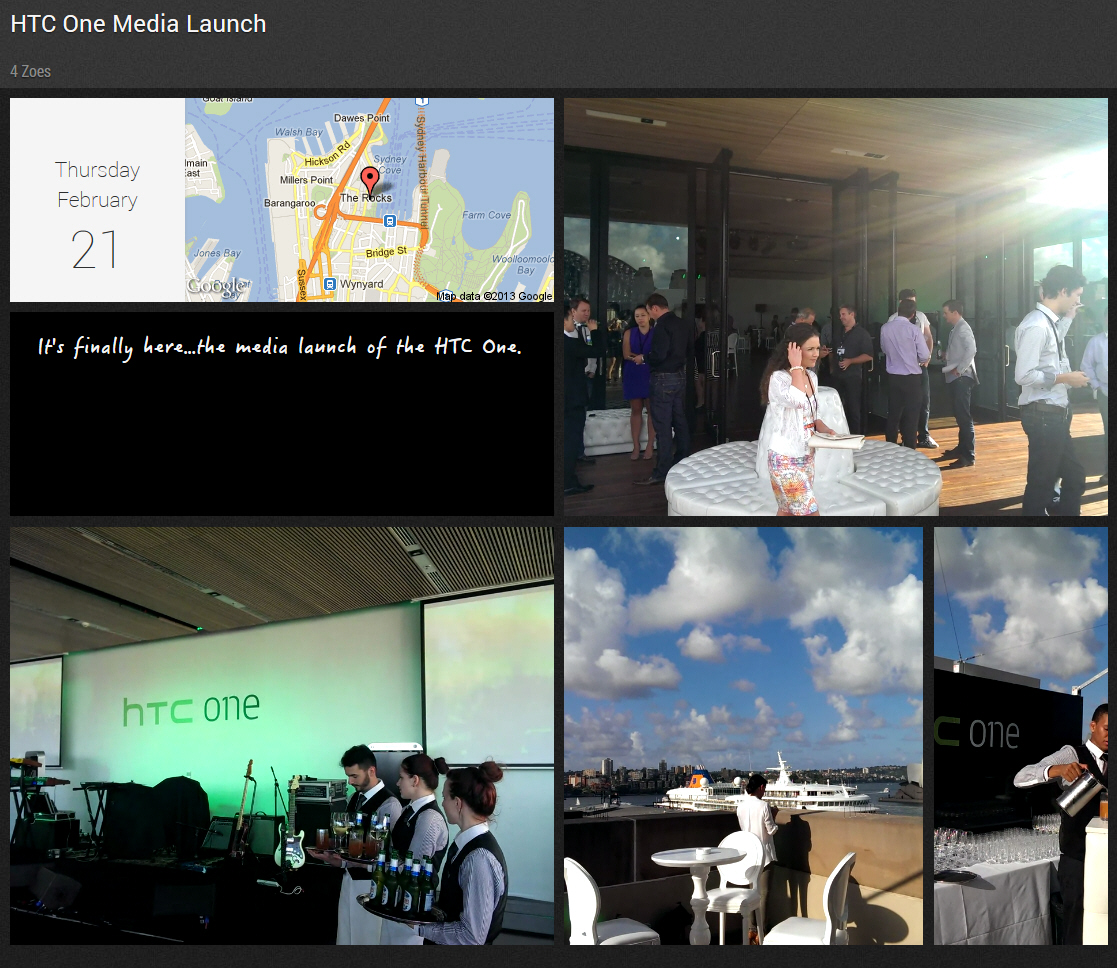
HTC’s new 'Zoe' sharing site goes live
HTC’s new flagship smartphone, the HTC One, comes with an "Ultrapixel" back facing camera (it’s technically a 4-megapixel camera, but HTC refers to it as an Ultrapixel sensor because the pixel sizes are larger and can capture more light and, apparently, produce better quality images). It also comes with an impressive new live capture mode called Zoe Camera.
Zoe Camera automatically captures content through the camera’s lens when the app is active. Pressing the button will take a picture, but the app will automatically record the action before and after that moment. Zoe Camera can then mash together videos, images, effects, themes and a soundtrack, to produce what HTC calls a "Zoe". And if you want to see what these look like, the online hub for sharing them has just gone live.

Vintage Camera is not violating any Facebook Platform Principles
Editor's Note: Muted in the noise from Mobile World Congress is an interesting drama between developer Presselite Studio and Facebook. Apparently, the social network, which bought Instagram in April 2012, is blocking Vintage Camera. The scuffle raises questions about Facebook clamping down on competing products, which, if true, should chill every developer. Apple favoring its stuff over partners' products is old news. Is this really where Mark Zuckerberg and company want to go? Perhaps it's all a misunderstanding. We asked Antoine Morcos, Presselite cofounder, to make his case. If screenshots can tell a story...
Facebook has decided to disable and block "Photo Sharing on Facebook" feature in Vintage Camera application available for iPhone and iPad. The reason for the app being denied of uploading photos, according to Facebook, is that it was receiving a "high amount of negative user feedback", which is not true...

IBM launches Voices, a real-time service to showcase its social feeds
IBM has come up with a new way to present its social content, and engage with customers. IBM Voices is a real-time data service that showcases live social feeds from across the company.
It aggregates blogs, tweets, videos and photos, and presents them on a single page, along with a search box, a word cloud showing trending topics, and the ability to connect with the company via LinkedIn, Twitter, Facebook and IBM Communities.
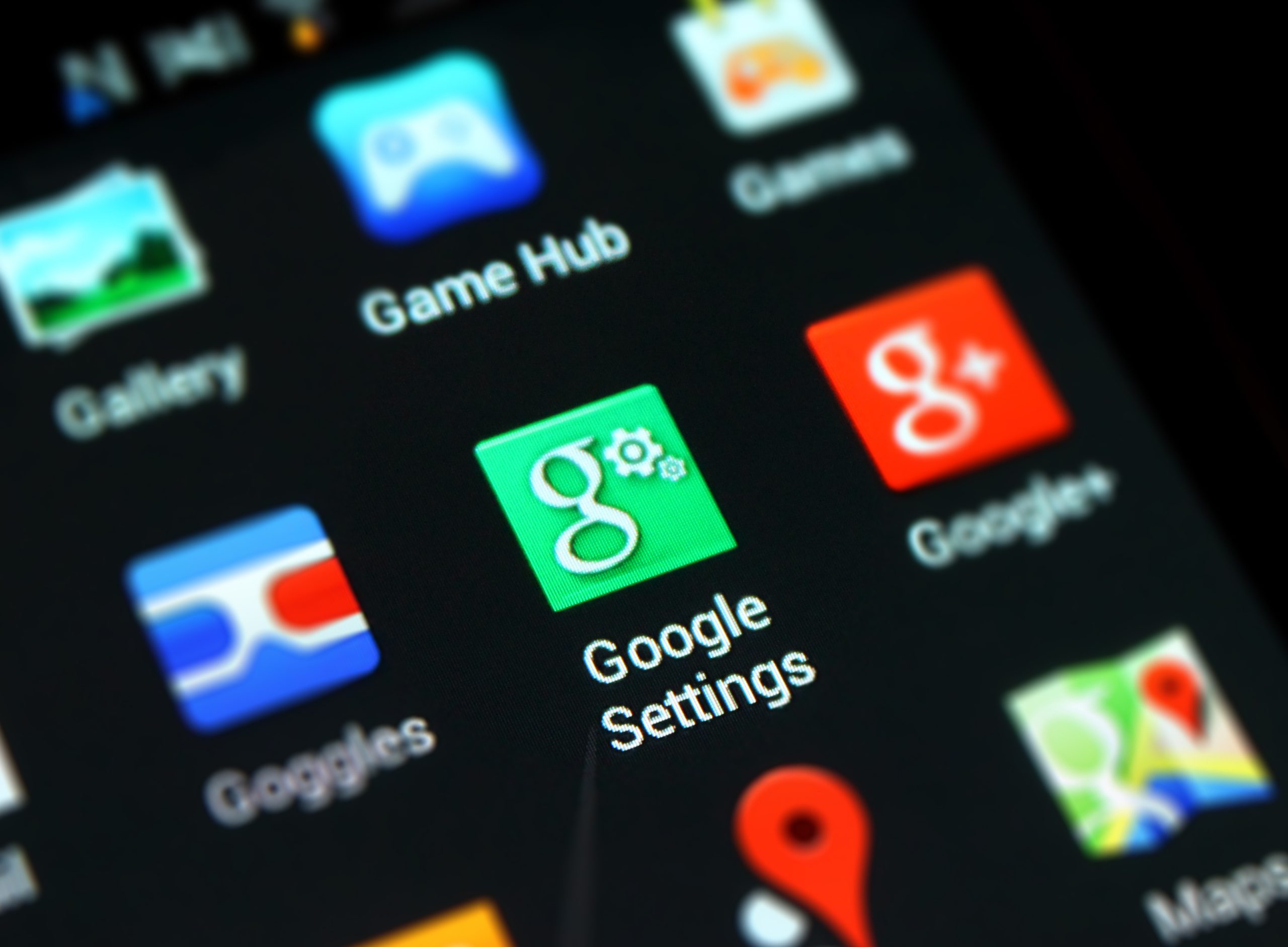
Google adds a new Settings app to Android devices
If you have an Android phone, check your apps -- you’ll likely have a new one lurking there. The green Google Settings app, added today, gives users quick access to various settings for services such as Google+, Apps with Google+ Sign-in, Maps & Latitude, Location, Search, and Ads. The options you see will depend on your device and what’s enabled.
The biggest, most noteworthy feature here is of course Google+ Sign-in which lets you to use your Google ID as a universal sign-in for third-party apps and services. My colleague Joe Wilcox discussed the possibilities of this following Google’s announcement of its new authentication system yesterday.
Twitter 2.0 rolls out for Windows Phone
Just yesterday Twitter announced a planned app for the Firefox OS phones when they begin shipping, but the company is bringing that same functionality to Windows Phone, so do not feel left out. Today Microsoft's Michael Stroh did the honors of making the announcement.
The update is not much different than what has been promised for the Mozilla mobile OS. Customers will receive four new navigation tabs -- Home, Connect, Discover and Me.

Google+ Sign-In is a Facebook killer
Single sign-on. Universal log-in. It is the Holy Grail of Internet services. Coming into the new century, Microsoft planned to use Passport as a universal, single sign-on authentication system aligned with Windows. Following privacy group complaints, a Federal Trade Commission investigation and subsequent settlement, Microsoft backed off the authentication strategy. A decade later, Facebook emerged as contender; many sites or services request, and some even require, signing in with Facebook credentials. Twitter is another option, and there are other choices, such as OpenID.
Now Google comes calling, today adding Google+ Sign-In as an option developers can include with their apps. I cannot overstate just how bold and disruptive the authentication system could be, or how much Google could -- scratch that, most likely will -- benefit. If widely adopted, the service could, if nothing else, give Google+ huge lift against Facebook. Welcome to the social network wars, and my money is on the the big G winning because Android, search and other assets offer so much leverage.

U.S. smartphone adoption is lowest in developed world, South Korea highest
Today at Mobile World Congress, Nielsen offered a snapshot of the global mobile consumer based on a report released this month. Some of the findings are quite startling. For example, mobile phone usage is highest in South Korea -- get this, 99 percent among consumers older than 16. Same goes for smartphones (67 percent). By comparison, the United States has the lowest smartphone adoption among developed markets (53 percent). Now contrast that to China, where two-thirds of handset owners have smartphones, while in India 80 percent have feature phones. In Brazil, feature phones and multimedia handsets combined: 65 percent.
Mobile phone usage is high in many countries, but infrastructure is not. For example, 98 percent of Russians have mobiles, as do 84 percent in Brazil and 81 percent in India. Problem, according to Nielsen: "The network infrastructure required for smartphones and next generation mobile devices has yet to appear outside of large, urban centers". Lacking infrastructure explains some of this week's MWC announcements, such as Firefox OS phones or new Nokia Lumias with fewer smartphone features for lower selling prices going to emerging markets first.
When Firefox OS phones arrive, Twitter will be ready
Smartphones running Firefox OS are slated to start shipping by mid-year. Twitter will be there with them. In a brief announcement, Manuel Deschamps of Twitter stated that "When those devices begin to ship, Twitter for Firefox OS will be available in the Firefox Marketplace".
He also assures us that the app will rival that produced for other mobile operating systems. It will contain Home, Connect, Discover and Me tabs, as well as be able to search and compose tweets -- that last one is rather important to the whole concept of Twitter.
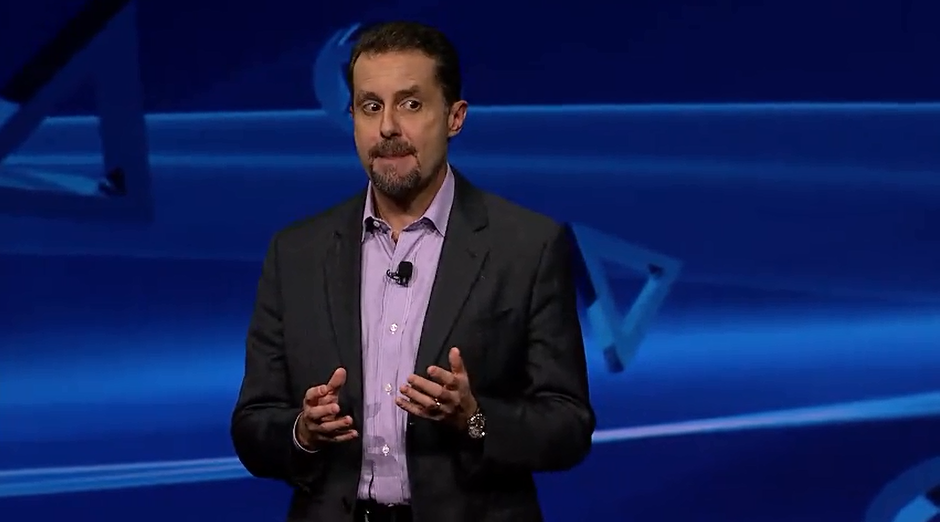
PlayStation 4 comes to stores this year
This evening, Sony captured geekdom for two hours, during a live event announcing PlayStation 4. If you're not prostrate on the floor crying like a baby, desperate to get the console now, you must have missed the stream -- or perhaps you're holding out for E3 in a few months and the promise of Xbox 720.
PS4 will go on sale this year -- that's right, holiday 2013. So Microsoft better get its shtick together and have Xbox in stores, too. Consumers will make some hard choices this year about gaming platforms. Whichever, or both, console gaming is going to be a whole lot more exciting come Black Friday.

Microsoft boasts big Yammer sales growth
In June of 2012 Microsoft purchased Yammer, a social networking site geared towards enterprise. The service allows employees to collaborate across buildings and geographic locations. Now the company has released its 2012 numbers in an effort to show that the investment paid off.
The fourth quarter ended on January 31, and Microsoft reports that sales have "nearly tripled year-over-year". The service has more than seven million users. The numbers bragging continues with the addition of 290 new companies coming on-board with the service, including big names like TGI Fridays, Woolworth and Trek Bicycles. In fact, the announcement says Yammer now has "85 percent of the Fortune 500".

Win a chance to buy a pair of Google Glass specs
Select developers already have access to Google’s futuristic glasses, but now the search giant has launched a competition giving ordinary American citizens the chance to buy a pair before they’re launched, and become a "Glass Explorer" (as Google terms those "bold, creative individuals who want to help shape the technology").
To be in with a shot you need to tell Google, via Google+ or Twitter, what you would do with the glasses if you had a pair. The more creative your answer, the more likely the chance of you actually being selected. "Wear them on the subway and get mugged" probably won’t win.
Bing makes it easier, perhaps scarier, to discover photos
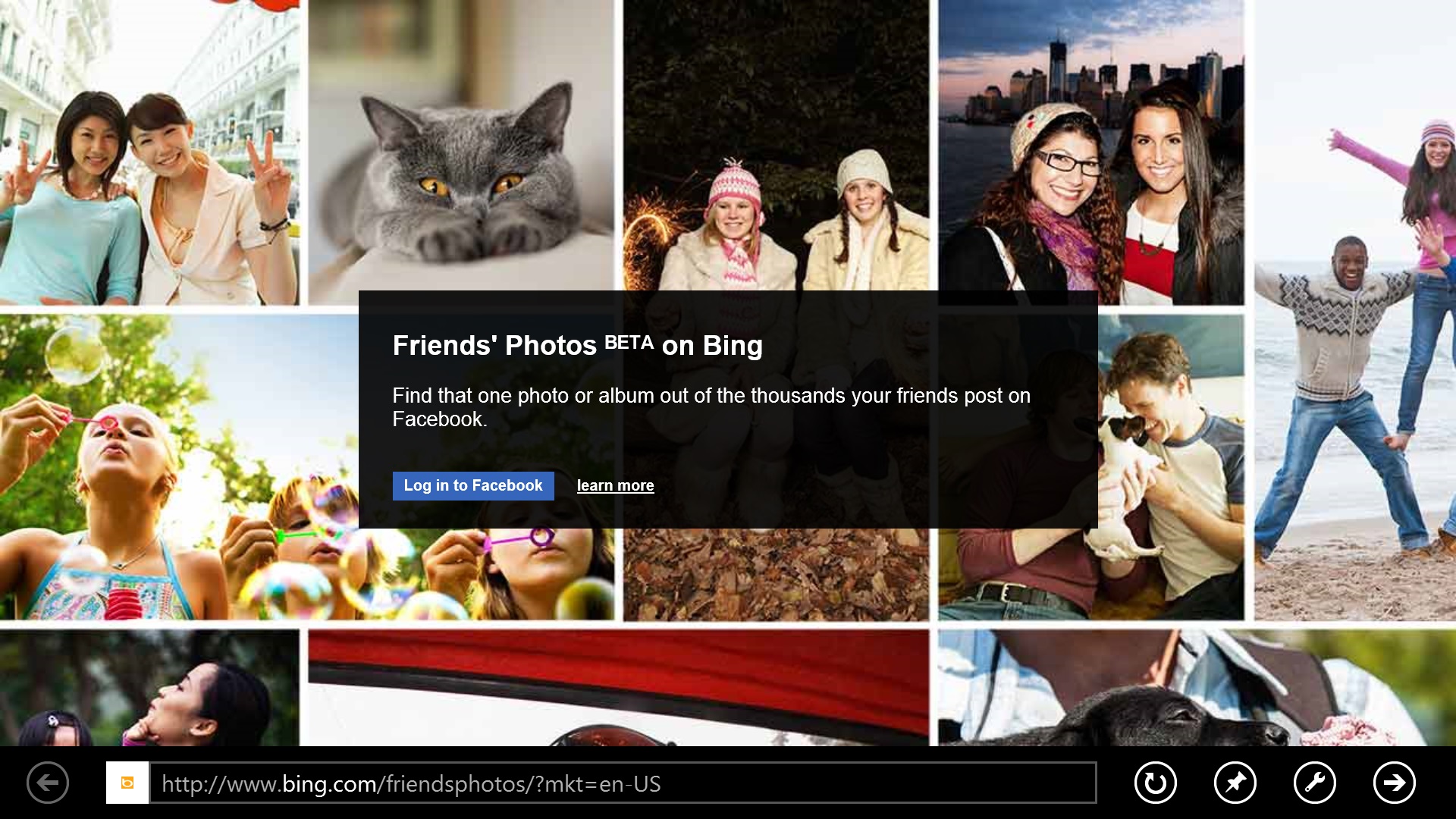
Bing's "Friends Photos" is not new, but today Microsoft's search engine rolled out a major update to the service that MK Li, program manager of Bing Social, termed as an "experience which makes it easier to scan, discover and explore your friends’ photos".
So what has Microsoft added? For one, a new look and interface. The service now displays in the "Modern UI" type of format, much the same way as Windows 8 and Windows Phone. The search results in a tiled interface that, according to Li, "marries design and performance, making it faster and more seamless to browse your friends’ photos".
Burger King sold to McDonald’s -- according to the company’s hacked Twitter feed
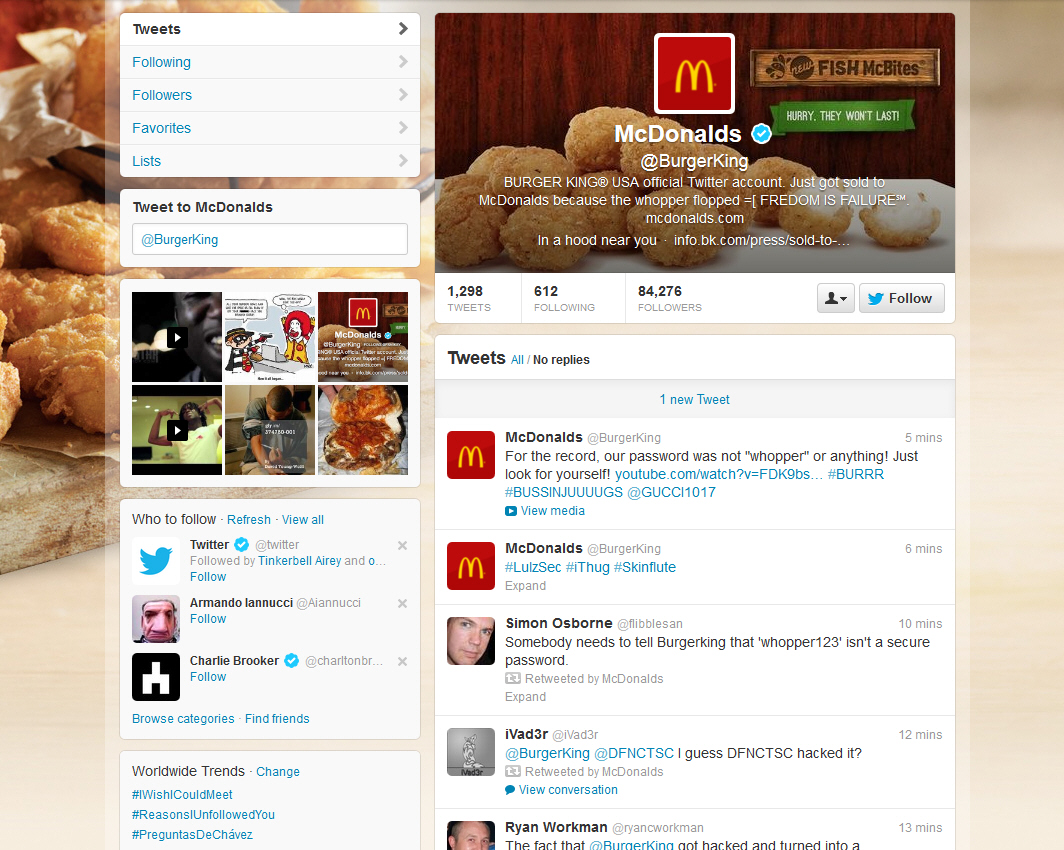
Burger King’s Twitter account was just hacked and has been turned into an amusing (and rather crude) advert for fast food rival McDonald’s, complete with the Chicken McNuggets header and golden arches logo as the avatar.
No one is entirely sure who is behind the action at the moment, although there’s a shout out to DFNCTSC, the Defonic Team Screen Name Club, a loosely organized collective responsible for hacking Paris Hilton’s mobile phone and posting her address book a while back.
Cloud aggregator KiteDesk exits beta, adds iOS app
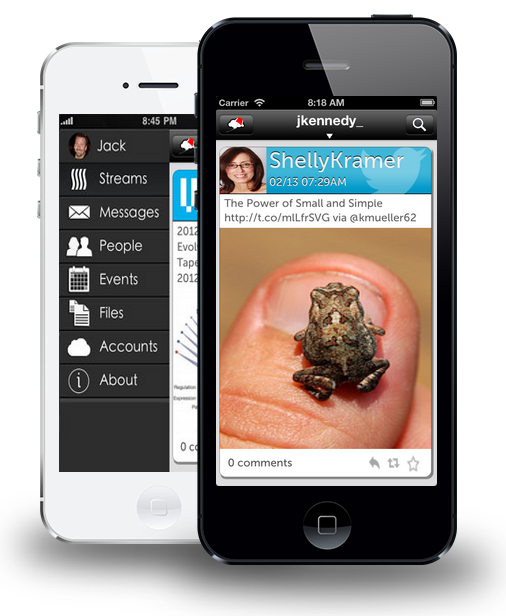
The vast majority of us use multiple cloud services for email, social media, and file storage, which means having to regularly switch between different websites or apps to access our data. KiteDesk aims to solve that problem by aggregating information from all of the popular cloud services into a single application.
Aimed at busy consumers and professionals, the service presents email messages, social media posts, contacts, calendar events, and files from the likes of Google, Yahoo, Twitter, Facebook and Dropbox, in a single stream and lets you search for, share, and comment on content.

Get your questions ready -- President Obama returns for a new Google+ Hangout
Towards the end of January, United States Vice President Joe Biden participated in a "Fireside Hangout" on Google+ to talk about reducing gun violence. A week later it was the turn of Domestic Policy Director Cecilia Munoz who used Google’s social network to discuss immigration reform.
And next up it will be US President Obama himself taking part in the 21st century equivalent of FDR’s famous radio addresses.



