
There's so much more to health tech than wristbands
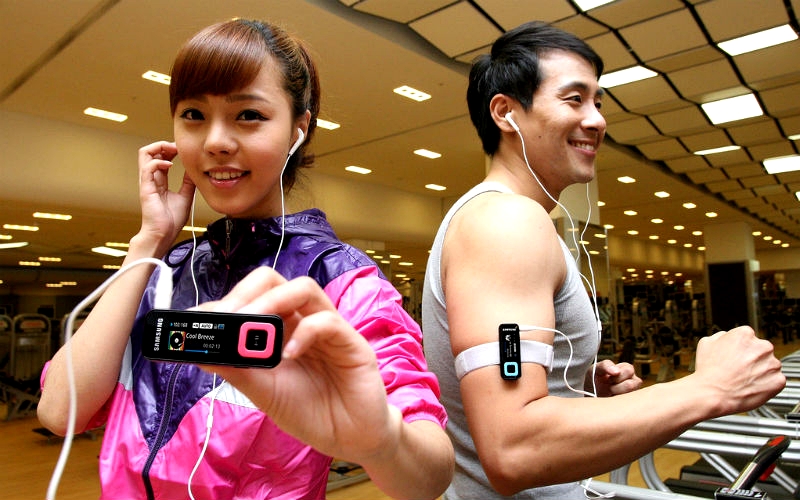
The technology and health arena has seen massive growth over the last couple of years. Wristbands are everywhere you look. Mobile phones are getting pedometers. Apps that can monitor activity abound. We're becoming a society which is focused on the concept of wellness. Heck, even Apple, the great god of all things stylish, might be getting in on the act.
But the relationship between technology and health goes a lot further than a wrist or pocket-friendly gadget that can count your steps.
Logitech focuses on value with Multimedia Speakers Z213
As the world trends towards digital streaming and downloads, people seem to care less and less about music. I hate to sound like an old man, but kids these days listen to the worst "artists". Justin Bieber? One Direction? Really? It's understandable that music has become less important for today's youth.
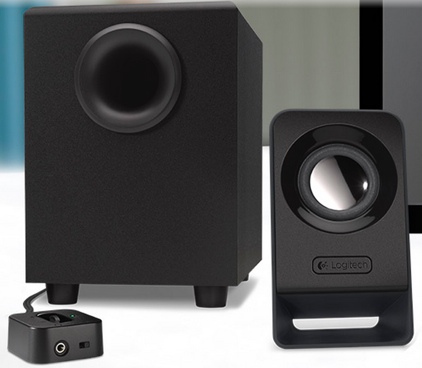
While I am not an audiophile by any means, I appreciate quality audio. More importantly, I appreciate value. Today, Logitech announces Multimedia Speakers Z213 -- a 2.1 speaker system. The big news though is that it is priced at $29.99. Whoa.
ITV app comes to Roku for UK customers
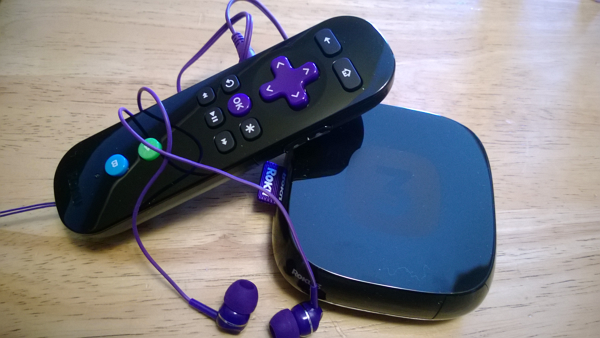
Roku, the tiny set-top box, has many entertainment options available for its customers. The options, which the company calls "channels", are available through the store, which is accessed via the box, and there are numerous offerings to choose from.
Some are region-specific, however, and one of those has been added today. UK viewers can now add ITV from the Channel Store. "This is a major addition as ITV Player makes it possible to catch up on content across ITV, ITV2, ITV3, ITV4 and CITV! That means shows such as Coronation Street, Britain’s Got Talent, Emmerdale, This Morning, Cold Blood and The Vampire Diaries, as well game shows, news, children’s entertainment and documentaries -- all available to stream when you want, where you want", says Roku's Ed Lee.
Microsoft breaks the Surface tension
First in a series. My preference is to write about tech that I use -- an attitude shared among BetaNews reporters. We like to get hands-on and write with authority, from experience. That's one reason I write so little about Microsoft now, not being immersed in the company's products. Lately, mine is the Google lifestyle.
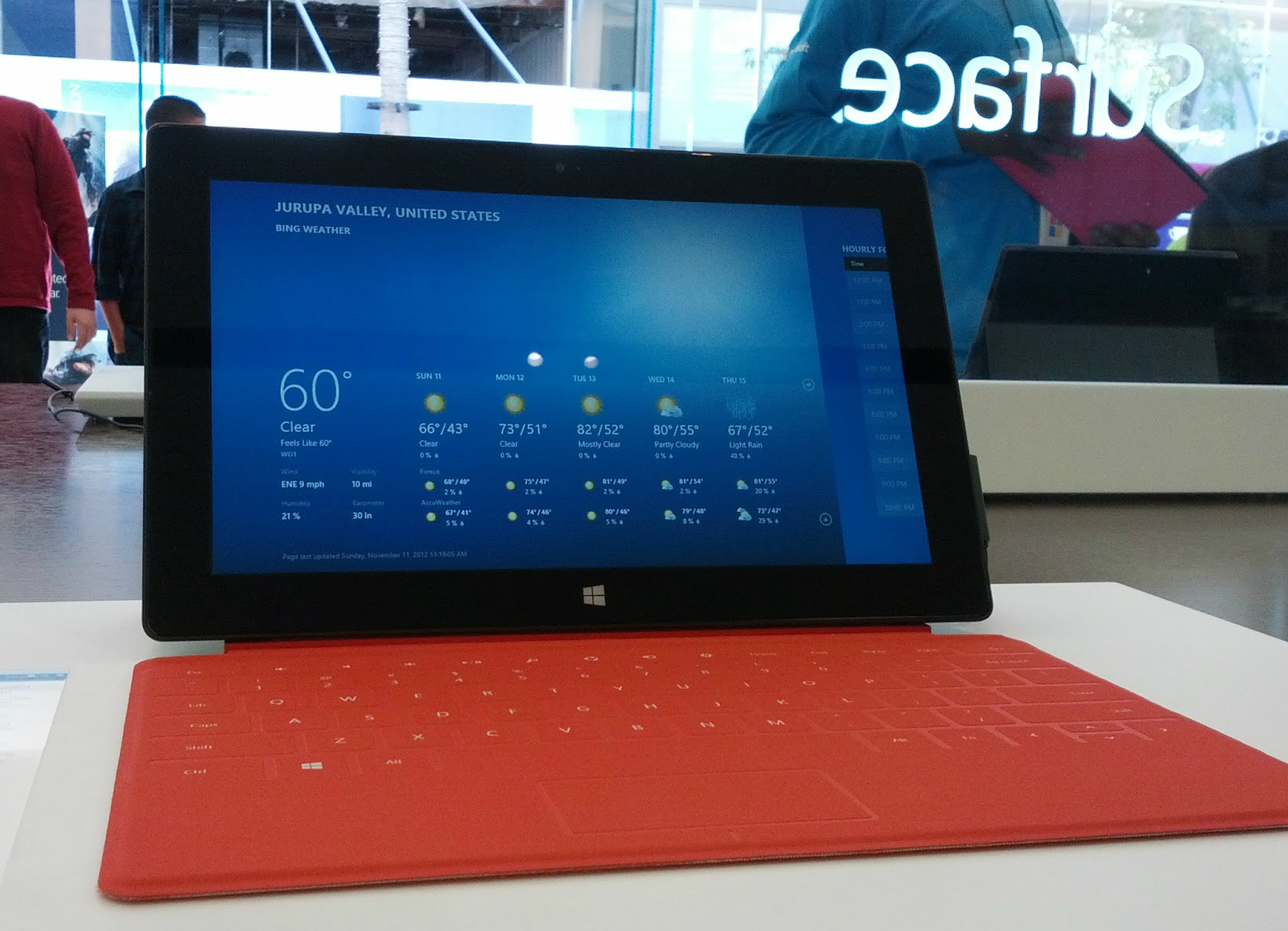
But yesterday I started using the original Surface -- the one frequently maligned by critics for so-called limitations associated with Windows RT. This is my first experience with the tab, although I reviewed and frankly loved Surface Pro. Out-of-the-box impressions are great. This is a hugely satisfying tablet, and surely the experience is better with its successor. I was right to ask 5 days ago: "Why not Surface 2?"
Polaroid announces Mexican Android tablets with TV antennas
I am young enough to never have watched TV on a set with rabbit ear antennas. All of my TV watching has happened by cable or satellite. Believe it or not, many people still watch TV using over-the-air antennas. This is done for a number of reasons, but most recently, cord cutters have made it popular. Proponents of over-the-air TV will be quick to tell you that the HDTV can actually be better because it is uncompressed, unlike cable.
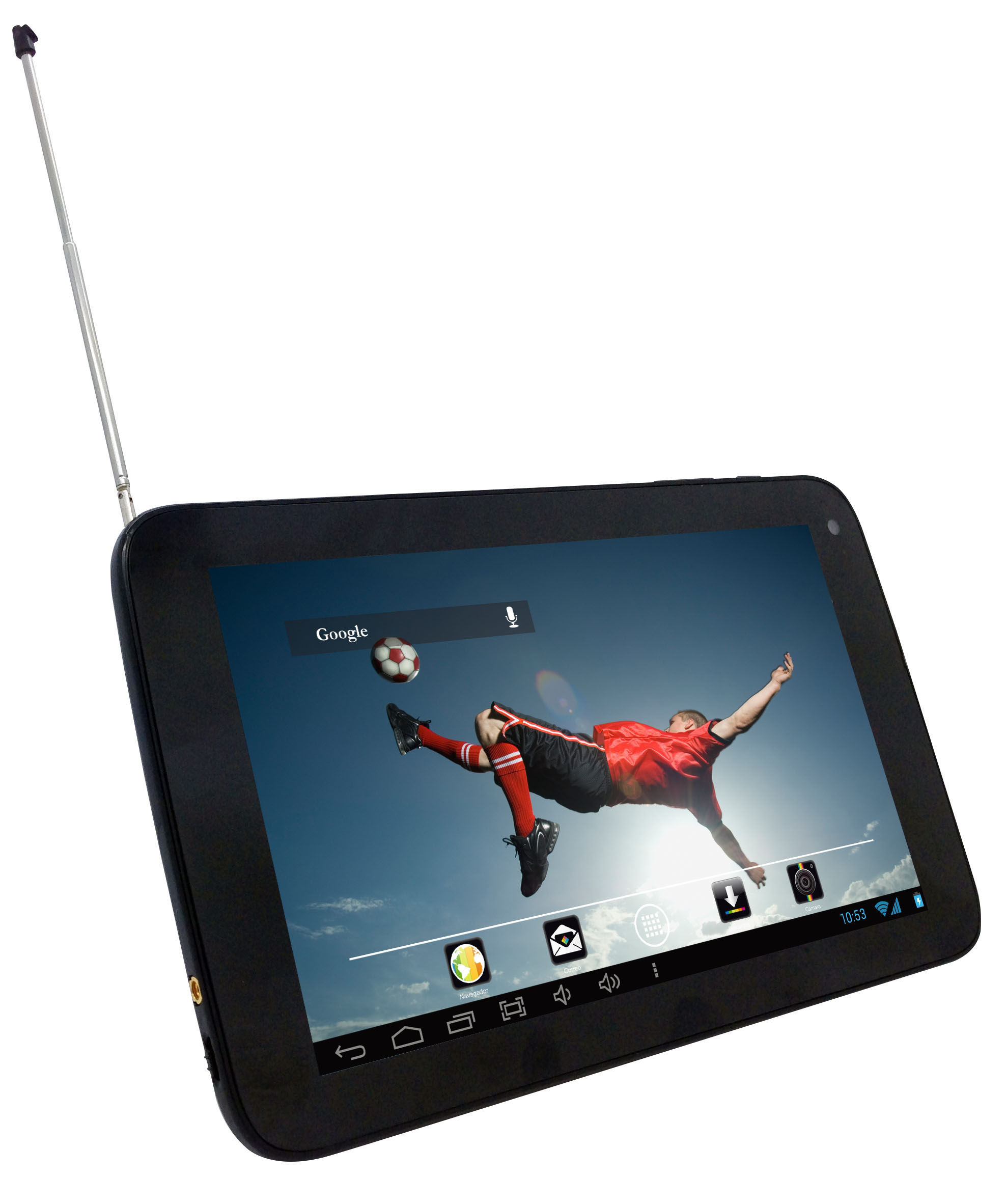
Apparently, OTA TV broadcasts are still very popular in Mexico. Today, Polaroid announces new tablets with integrated telescoping TV antennas for that country. Is this a cool new feature or a relic of the past, being retrofitted on new technology?
Hard drive failure responsible for two thirds of data loss
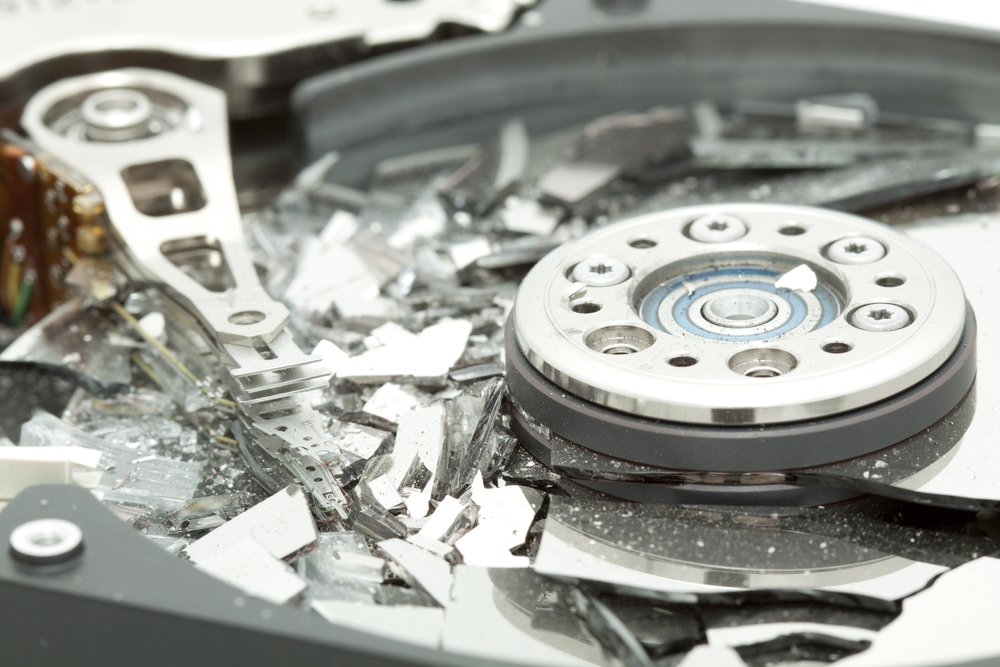
There may be a gradual move to storing more and more files in the cloud, but businesses and end users are still highly reliant on good old-fashioned hard drives. This technology, though convenient, does have its downsides; hard drives fail. A survey conducted by data recovery firm Kroll Ontrack found that nearly three quarters of those questioned (72 percent) had lost data from a drive in a laptop or desktop computer. A far lower percentage (15 percent) lost data from SSDs -- reflecting the fact that fewer SSDs are in use than mechanical drives -- while 13 percent attributed their most recent data loss to RAID or virtual services.
Not all of the data loss came as a result of hardware failure. Software and human error accounted for around 20 percent of data loss, but drive crashes and other hardware problems were responsible in two thirds of cases (66 percent). This is a significant increase from 2010's figures when just 29 percent of data loss was attributed to hardware failure. Paul le Messurier, Program and Operations Manager at Kroll Ontrack is very matter of fact about the findings:

Deep learning platform lets businesses benefit from neural networks
Neural networks, which allow machines to learn in a similar way to the brain, have until recently mostly been the preserve of academia.
Now though Ersatz Labs has announced the launch from beta of its deep learning platform to allow businesses to benefit from the technology.
WinRAR extends BZIP2, LZMA, PPMd support
RARLab has updated its archive manager WinRAR to version 5.10 with a small selection of improvements and new features.
Top of the list must be the extraction support for ZIP and ZIPX archives using BZIP2, LZMA and PPMd compression.

High-quality video streaming becomes critical for businesses
According to a new survey carried out by Wowza Media Systems almost 70 percent of people are using four or more devices a day and expect to get high-quality video streaming on all of them.
It also highlights the rise of video streaming as a business tool with more than 80 percent of respondents saying that live and on-demand video is essential within organizations.
The Internot: Billions of people choose not to go online
Google, Facebook and other tech giants are investing in ways to bring Internet access to those far flung parts of the world which are still offline. Creative methods include using balloons, satellites, drones and lasers. Despite this concerted effort, an estimated 4 billion people still don't have access to the Internet.
The Internet Society (ISOC), a global not-for-profit organization founded in 1992, has published its inaugural Global Internet Report in which it charts the spread of the Internet, highlights trends, and illustrates the principles that, it says, "will continue to sustain the growth of the Internet". Importantly it identifies two distinct groups of non-Internet users and reveals the barriers that must be overcome in order for them to gain access.
Feedly suffering from a DDoS attack, service currently down due to extortion scheme
If you moved to Feedly after the much lamented shut-down of Google Reader, as many RSS users did, then you may have noticed that the service is currently down. To prevent customers from wondering about the problems, the company has released an announcement.
Feedly says it is currently under a denial of service attack, with the attacker demanding money to bring an end to service interruption. In a brief post on the company blog, the developers let all customers know of the problem, and promise to update users as the situation develops.
Hackers use terrible passwords too
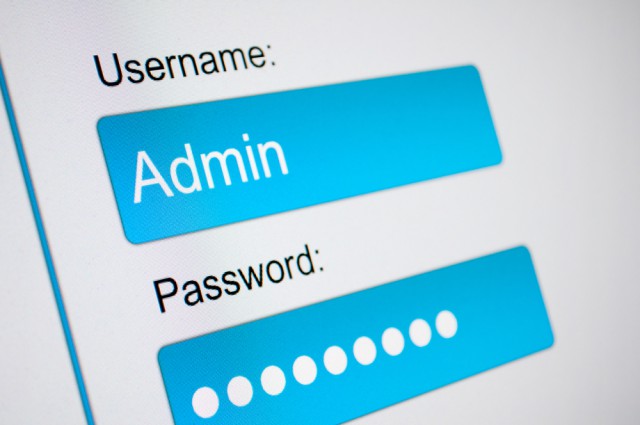
Lots of people are putting themselves, as well as others, at risk by using weak passwords like their phone number, a loved one's name, date of birth, "password", "123456" or "qwerty". You would assume that those who can crack their passwords, or create malware, do not exhibit the same irresponsible behavior, right?
According to security company Avast, hackers are not much different from the rest of us. Sure, they may not use "123456", the most popular weak password of last year, but their passwords are not too far off, as the majority of them only contain lower-case letters. And, on average, a hacker's password is just six characters long.

Move and copy files more easily with MyFolders
MyFolders is a free Windows shell extension which makes it easier to copy or move files to any folder, or to open common folders in a couple of clicks.
The program installs quickly and easily. There’s no obvious interface, so to see how it works, select a file in Explorer, right-click and choose the new MyFolders menu.
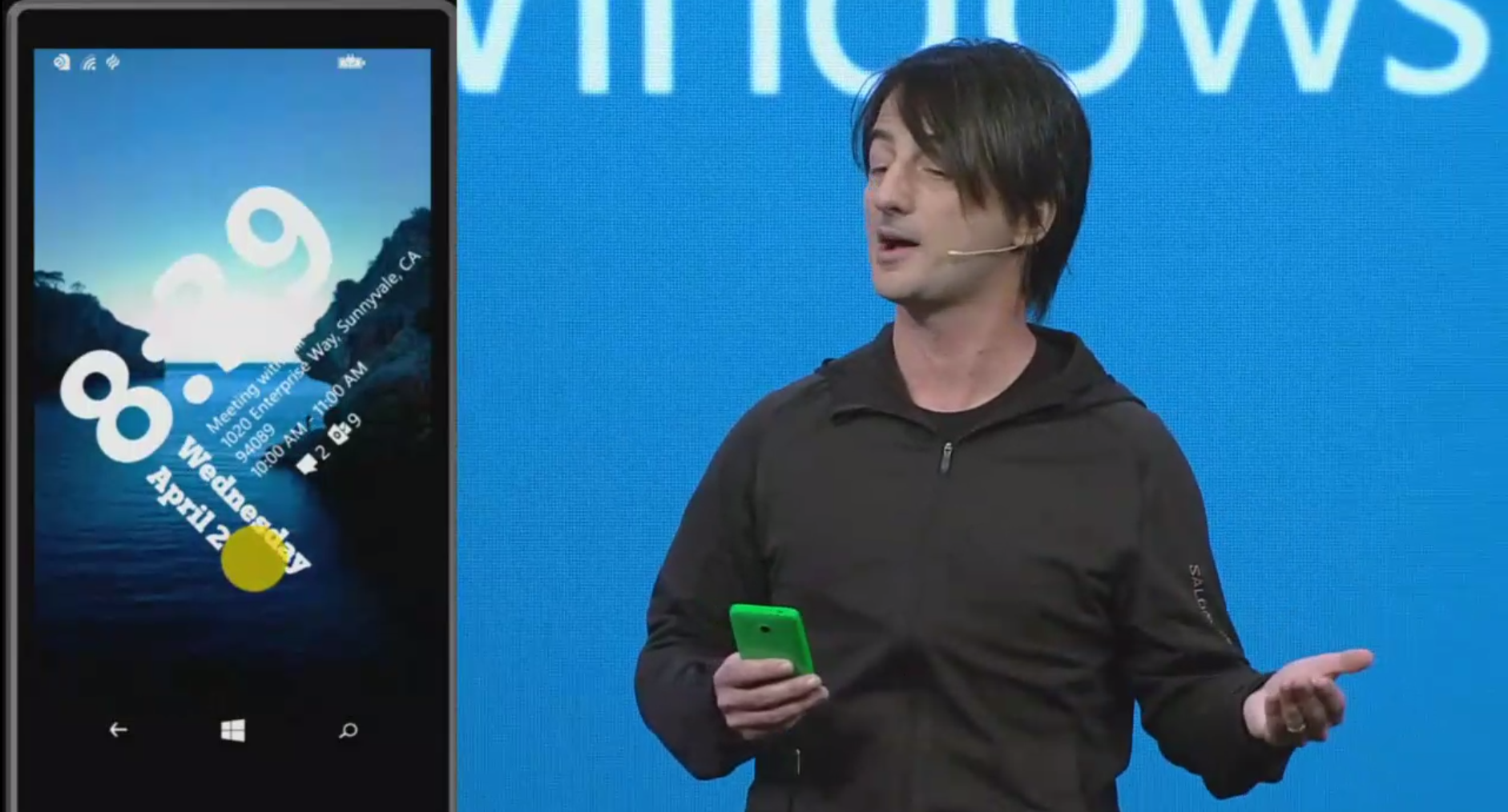
Microsoft's lockscreen app coming soon to Windows Phone 8.1
When Microsoft introduced Windows Phone 8.1 in early-April, the company revealed that the latest iteration of its tiled smartphone operating system will allow users to change the default lockscreen with a custom one. This feature is not available in any of the builds Microsoft launched through the Preview for Developers program, as it will be accessible through an app.
Microsoft then said it is working with prolific platform developer Rudy Huyn, who is known for popular apps like 6tag and 6sec, to make the feature happen. Only hours ago, Windows Phone head Joe Belfiore shed some light as to when we can expect the app to launch.

Troubleshoot Windows 7 and 8 service triggers with Service Trigger Editor
If you’ve ever spent time troubleshooting low-level PC problems then you’ll know that understanding Windows services can be very helpful. The standard Services applet (Win+R > services.msc) tells you a lot about what’s happening on your system -- but there is one important exception.
Windows 7 and 8 support service "triggers", a mechanism which allows Windows services to start when a particular event occurs (a device is plugged in to the computer, say). The Services applet highlights these by listing their Startup Type as "Manual (Trigger Start)" or "Automatic (Trigger Start)", but double-click a triggered service and it won’t tell you anything more.