
The Linux Foundation launches 'Administering Linux on Azure' training course
Linux is very much mainstream nowadays. What was once viewed as a hobby and niche project, is transforming the world. Many of the world's servers are running Linux-based operating systems. Hell, the most popular mobile operating system on the planet, Android, is Linux-based. Even closed-source champion Microsoft is embracing Linux by integrating it into Windows 10 and offering it on its Azure platform.
Please know, Linux will only get more popular; gaining more knowledge about it is vital for your career in information technology. If you want to further your education, The Linux Foundation has your back. You see, the organization is launching a new training course called "Administering Linux on Azure."
Meltdown and Spectre patches leave some Ubuntu systems unbootable
As if the Meltdown and Spectre chip bugs were not enough of a problem in their own right, the patches designed to fix them are proving to be a major headache as well. The latest victims are users of Ubuntu Xenial 16.04, some of whom are reporting that installing the patches leaves their computers unbootable.
Windows users with AMD systems have run into a similar problem, causing Microsoft to halt the rollout of its patches. There have also been predictions, anecdotes and benchmarks that suggest Meltdown patches are causing performance issues, despite Intel's insistence that the impact is small. Now Ubuntu forums are lighting up with users complaining of boot problems.

Tails 3.4 privacy-focused Linux distro now available with Meltdown and Spectre fixes
With everything going on in the world these days, it can feel like you are naked when using your computer. If you previously felt safe and secure, these last several years have probably eroded all of your confidence. Between Edward Snowden's revelations and the many vulnerabilities constantly hitting the news, it is tempting to just live in the woods without electricity.
Before you sell your house, buy a tent, and become a nomad, you should consider a Linux distribution that helps you fight back against evil governments, nefarious hackers, and other bad people. Called "Tails," this Linux-based operating system is designed to be run from a live environment, such as on a DVD or flash drive, so you can hide your tracks and enjoy your God-given right to privacy. Today, version 3.4 becomes available and if you are already a Tails user, you should upgrade immediately. Why? Because it includes kernel 4.14.12 which offers fixes for Meltdown and Spectre (partially).

Get 'Working with Linux -- Quick Hacks for the Command Line' ($32 value) FREE for a limited time
Say goodbye to unproductive Linux habits and switch to the express lane with Working with Linux -- Quick Hacks for the Command Line from Packt Publishing.
Websites, online services, databases, and pretty much every other computer that offers public services runs on Linux. With such a broad usage, the demand for Linux specialists is ever growing. Through this book, you will improve your terminal productivity by seeing how to use different tools.
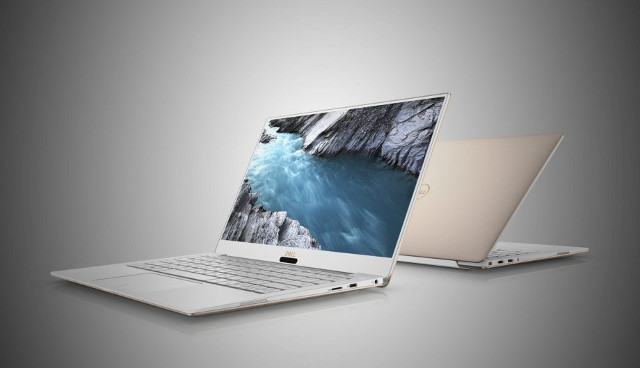
Dell releases Ubuntu Linux-based XPS 13 Developer Edition (9370) laptop
If you want a computer pre-loaded with a Linux-based operating system, you can never go wrong with System76. After all, that company focuses entirely on Linux -- it does not sell Windows machines at all. Hell, System76 even maintains its own Ubuntu-based operating system called Pop!_OS. By supporting that company, you are also supporting the overall Linux community.
System76 is not the only company selling Linux-powered computers, however. Despite being a major Microsoft partner with Windows, Dell also sells desktops and laptops pre-loaded with Ubuntu. One of the company's most impressive computers is the svelte XPS 13 laptop. Dell sells a version with Ubuntu that it dubs "Developer Edition," but non-developers can, of course, use it too. Today, the company announces the the 7th-generation version of this notebook. The 9370, as it is called, can be purchased immediately.

Linux Mint 19 named 'Tara'
Unfortunately, 2017 was not the much-fabled year of the Linux desktop. Hell, that might not ever happen. With Windows 10 being such a disappointment for many, however, it is definitely a possibility. Maybe 2018 will be the year...
One such desktop operating system that consistently delights users is Linux Mint. Today, we get some information about the upcoming version 19. The biggest news is that it will be called "Tara." If you aren’t aware, the operating system is always named after a woman.

Intel chips have a huge security flaw, and the fix will slow down Windows and Linux machines
A design flaw has been discovered in Intel chips that will require major changes to be made to the Windows and Linux kernels. While patches are being worked on -- and in the case of Windows Insiders, have already rolled out -- users of both operating systems can expect to experience something of a performance hit. macOS machines running on Intel chips are also affected.
Intel is -- for the moment -- remaining tight-lipped about the specifics of the flaw that has been unearthed, but it is believed to affect processors produced in the past decade. Developers are currently estimating that systems could experience slow downs of between 5 and 30 percent.

Lindows rises from the grave! Freespire 3.0 and Linspire 7.0 Linux distros now available
About 16 years ago, a for-pay Linux distribution caused quite a stir all because of its name -- Lindows. Yes, someone actually thought kicking the billion dollar hornets nest that is Microsoft by playing off of the "Windows" name was a good idea. To be honest, from a marketing perspective, it was brilliant -- it got tons of free press. Microsoft eventually killed the Lindows name by use of money and the legal system, however. Ultimately, the Linux distro was renamed "Linspire." Comically, there was a Lindows Insiders program way before Windows Insiders!
After losing the Lindows name, the operating system largely fell out of the spotlight, and its 15 minutes of fame ended. After all, without the gimmicky name, it was hard to compete with free Linux distros. Not to mention, Richard Stallman famously denounced the OS for its non-free ways. The company eventually created a free version of its OS called Freespire, but by 2008, both projects were shut down by its then-owner, Xandros. Today, however, a new Linspire owner emerges -- PC/OpenSystems LLC. And yes, Lindows is rising from the grave -- as Freespire 3.0 and Linspire 7.0!

Ring in New Year 2018 with Manjaro Linux 17.1.0
Today is the big day -- New Year's Eve! Tonight, many people will celebrate ringing in the new year at midnight. They will drink champagne, dance, and generally have a fun time.
If you are a nerd like me, however, you won't be leaving the house. Instead, you will probably be watching Dick Clark's New Year's Rockin' Eve with Ryan Seacrest while eating low-quality frozen hors d'oeuvres -- there is no shame in that, though. This year, there is actually something very fun you can do while sitting on your couch -- install a Linux distribution! You see, Manjaro Linux 17.1.0 is now ready for download. Hell, installing an Arch-based Linux distro is better than going to a party, right?

Christmas comes early! LibreELEC (Krypton) 8.2.2 Kodi Linux distro is here
Christmas is almost here, and I don't know about y'all, but I am thrilled. While I am looking forward to spending time with family and thinking about the birth of Jesus, I am not ashamed to say I am excited about presents too!
Today, Christmas comes a bit early thanks to a new LibreELEC (Krypton) release. Version 8.2.2 of the Kodi-focused Linux-based operating system is being called a minor release, but it is still a very special gift for users of the media center. After all, version 8.2.1 was previously called the final Krypton version, but as we now know, it wasn't.
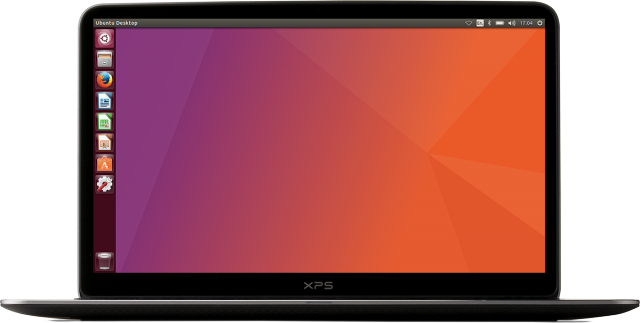
Ubuntu 17.10 corrupts the BIOS on some Lenovo, Toshiba and Acer laptops
Following reports of BIOS corruption on a number of Acer, Lenovo and Toshiba laptops, Canonical is now discouraging users from downloading Ubuntu 17.10 "Artful Aardvark" from its website.
The bug, which is labeled "critical" by the team behind Ubuntu, can cripple the BIOS on over 20 devices, as acknowledged in this report. This issue also affects other versions of the popular Linux-based distribution, including the older Ubuntu 16.04 "Xenial Xerus" -- in the "OEM" and "HWE-EDGE" packages.

Spotify now available as a Snap for Linux
If you are a user of Linux on the desktop, you know it can be quite annoying when you can’t use a popular app or service that is available on other platforms. While Windows and Mac certainly have more access to premium apps, Linux is no slouch. In fact, Linux is getting more and more love from developers nowadays. For example, Linux-based operating systems have official support for programs like Dropbox, Skype, and Spotify.
Speaking of Spotify, the most popular streaming music service in the world has long supported Linux-based operating systems. Installing the official app was not an easy affair, however. Today this changes, as installation gets much simpler. You see, Spotify is now officially available as a Snap for easy installation on Snap-supporting operating systems such as Ubuntu and Linux Mint.

Linux Mint 18.3 'Sylvia' Xfce and KDE editions are available for download
Linux Mint is killing the KDE version of its operaring system -- a move some people applaud. That's what makes the new 18.3 version -- named "Sylvia" -- so frustrating. It's bizarre to release a new version of an operating system that essentially has no future. But oh well, here we are. After a short beta period, the KDE distro is now available for download -- if you still care. I recommend that KDE loyalists just switch to Kubuntu or Netrunner, but I digress.
Despite being the final version of Linux Mint KDE, it is still a great alternative to the consistently disappointing Windows 10. After all, it has been discovered that Microsoft is bundling a bug-ridden password-manager with its operating system without user consent! How can you trust such an OS?! Sigh.
Windows 10 gets native OpenSSH client and server
It's quite interesting to see just how far Microsoft has come since Satya Nadella became CEO. The company has gotten out of its comfort zone and made its products more appealing to a wider range of customers, embracing rival platforms and the open-source community. Having Visual Studio on Macs and tons of apps on Android and iOS is something that would have been unheard of only a few years ago.
The same goes for offering a subsystem for Linux or OpenSSH support on Windows 10. That last bit may not excite everyone, but it is especially useful for those who want to log in remotely on Linux devices -- which would have normally required third-party tools like PuTTY. Microsoft is not stopping there though, as it's taking things to the next level by adding a native OpenSSH client and server to Windows 10.

New Linux Mint installation guide makes switching from Windows 10 even easier
There is a notion that installing a Linux-based operating system can be hard. In 2017, this is absolutely false (with the exception of Arch, that is). Many years ago, installing a distribution could be difficult, but nowadays, it can be downright easy. Quite frankly, installing Linux can sometimes be easier than Windows these days, since you don't have to go hunting for drivers and software all over the web. If you have been fearful of replacing Windows 10 with an operating system like Linux Mint -- don't be.
But OK, understandably, some people have anxiety about changing their computer's operating system. If that is you, I am happy to say Linux Mint has a brand new installation guide that should quell any fears. Not only does it help with technical aspects, but it can guide you to the best edition for your needs. Mint in particular is a great alternative to Windows 10.