India's Supreme Court protects freedom of speech -- strikes down 'unconstitutional' IT Act Section 66A
It’s a big day for freedom of speech in India. The country’s Supreme Court today scrapped an ambiguous and controversial law which governed the consequences of posting sensitive and offensive content on the web. The ruling challenges the IT Act, including Section 66A, Section 79, and Section 69. With this decision the Supreme Court -- the highest judicial forum and final court of appeal under the Constitution of India -- ruled against the Central government which had defended the section.
The bench which consisted of Justice Chelameswar and Justice Rohinton Fali Nariman struck down Section 66A of the IT Act. For a refresh, the Section 66A orders 3 years imprisonment for anyone making offensive statements on the web; Section 79 forces the intermediary to take down the content from the web; and Section 69 allows blocking of online content.
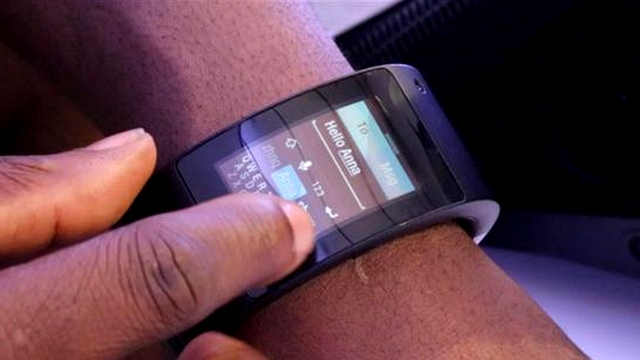
How to keep your smartwatch data safe
One of the technological highlights of 2015 so far has been the official announcement of the much anticipated Apple Watch, almost two years after Samsung’s first Galaxy Gear smartwatch. The iPhone compatible smartwatch is initially priced from $349 for the entry-level Sport model to around $17,000 for an 18-carat gold version. Some of the manufacturers, like Samsung, LG, SONY and Motorola, are already presenting the 3rd generation of their smartwatches.
While opinion is divided about how successful Apple Watch will prove to be, it’s clear that smartwatches and other wearable technologies are a great way to collect and display contextual data quickly and easily. However, because this is a technology boom that is still in its infancy, there are several questions that remain to be answered when it comes to data security and recovery. There are four things you might like to consider when protecting data accessed via a smartwatch.

Anti-censorship site Greatfire.org suffers massive DDoS attack
GreatFire.org, the website with the aim of delivering uncensored news to China, has been hit by a massive DDoS attack. The attack started on March 17 but the anti-censorship site has only just gone public about it and made a call for help.
The organization believes that the attack -- which it calls "censorship by brute force" -- could be a response to an article in the Wall Street Journal. With a peak of 2.6 billion page requests per hour, servers were simply unable to cope with the traffic, knocking GreatFire.org's mirror sites offline.
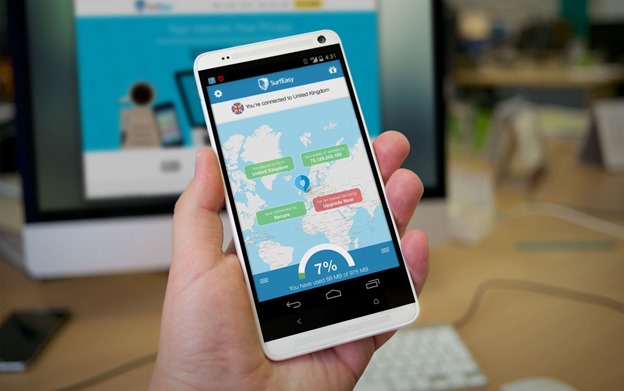
Opera acquires VPN firm SurfEasy to boost browsing security
Opera Software, the company behind the web browser of much the same name, has acquired SurfEasy, a provider of VPN security. SurfEasy's software bolsters the security of internet users by adding a layer of encryption that helps to protect privacy.
More than this, the software also makes it possible to bypass some online restrictions and to access sites that are region locked. Few details have been revealed yet, but it's possible we could see VPN features integrated into future versions of the desktop and mobile Opera browser.

Data privacy in a wearables world
Data is precious -- that much is obvious. For wearable tech and the quantified self in particular, digital brands and hardware vendors are increasingly conscious of the huge opportunity that this data provides them. It gives them greater insight into the lives, behaviors and tastes of consumers than ever before. But as we learned in Spiderman, "with great power comes great responsibility" -- although a responsibility that I feel many organizationals are not taking seriously enough. Google is currently in the British high court accused of bypassing security settings to track the online browsing of Apple's Safari users and target them with personalized adverts. Facebook's privacy policy is being investigated by Dutch regulators for similar reasons. The company has come under fire before for using consumer data without making consent processes explicit and transparent enough, and its constant updates to its privacy policies are creating an incomprehensible puzzle which many consumers struggle to solve.
With this in mind, I've listed five steps I think hardware vendors and brands should take to prevent wearables becoming an unquantifiable nightmare:

Amnesty calls for ban on mass surveillance
Amnesty is taking legal action against the US and UK governments, challenging “the lawfulness of their indiscriminate mass surveillance programs”.
The human rights campaigning group will head to the European Court of Human Rights in Strasbourg on Friday because, it says, "every legal avenue in the UK has been exhausted".

Half of users believe using the internet means giving up privacy
More than half of internet users in the US, UK and Germany believe it's impossible to keep their personal information private if they're to enjoy the Internet.
This is one of the findings of research by Open-Xchange, the German open source software company. The Consumer Openness Index surveyed 1,000 internet users in each of the three countries to gauge their opinions about online privacy.

Google Apps leaks Whois data for over 280,000 protected domains
Private information relating to more than 280,000 domains registered via Google Apps has leaked, leaving the registrants open to risk of identity theft or spear phishing.
The ability to buy domain names from one of Google's partners is a feature offered by Google Apps to allow easier access to and management of services.
GCHQ does not engage in indiscriminate blanket surveillance
When Edward Snowden blew the whistle on the activities of the NSA, it sparked a global interest in how internet traffic is monitored. The UK's Intelligence and Security Committee of Parliament today published a report into online surveillance carried out by GCHQ, MI5 and MI6 after an 18-month inquiry.
Among the findings is the conclusion that surveillance is legal, but an overhaul is needed to increase transparency. The suggestion that GCHQ's interception of emails "does not equate to blanket surveillance, nor does it equate to indiscriminate surveillance" is likely to be met with skepticism. But what's likely to raise more eyebrows is the revelation that the agency has apparently managed to crack encryption.

DreamHost reveals government and legal requests
We all know that web hosting companies receive legal requests ranging from copyright take down notices to search warrants. But how many such requests do they receive and where do they come from?
US hosting company DreamHost has released a first of its kind transparency report detailing all of the requests it's received in the last year. The three most common types are DCMA/Copyright notices, government requests -- such as those related to criminal investigations -- and requests to remove or censor content, usually related to defamation or privacy suits.

Forget that cloak Harry Potter, AVG announces invisibility glasses
Let's be clear right off the bat, you won't be slipping these glasses on and disappearing from the people around you, though there are times you may want to. However the name of the new product from AVG lends itself to these comparisons, though the actual glasses are a bit different from what the imagination conjures up.
So what does this product from AVG Innovation Labs actually do? The security firm claims it can protect your identity in this new era of cameras everywhere. It's not as tin-foil hat as it sounds -- we've seen malware that can activate cameras on phones and computers, security cameras in public abound and we'd be hard-pressed to leap to any conclusion that says the NSA and others aren't also doing this.

Thousands of online accounts fall victim to Chinese censorship
Censoring of the web in China is nothing new. Services like Gmail often find they are blocked, and there are constant battles on both sides of the Great Firewall of China to get information in and out of the country. The most recent battleground has been online usernames, and new regulations have come into force that dictate what is acceptable, and what is not.
China has long tried to force internet users to use their real names online and just before the new regulations took effect, more than 60,000 online accounts were deleted because they failed to comply. The Cyberspace Administration of China said that big names including Alibaba and Baidu had removed the accounts which infringed the guidelines for various reasons.

Microsoft welcomes weak Consumer Privacy Bill of Rights
Late on Friday, the White House released a draft proposal for the Consumer Privacy Bill of Rights Act of 2015. It is supposed to grant greater privacy rights to individuals, and sets out a framework in which codes of conduct can be constructed.
The bill comes in response to growing concerns about the amount of data companies store about their customers and users, particularly online. Government surveillance has brought privacy into the public eye, and this is the government's attempt to be seen righting wrongs.
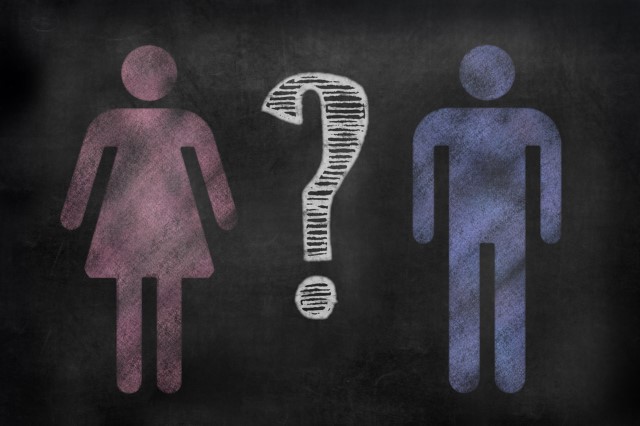
Facebook lets you choose a custom gender, now it's time to drop real names
Facebook found itself under fire last year for imposing a real name policy. Drag artists, the LGBT community, musicians and other groups were among those who felt they should be able to use a name other than the one that appears on their birth certificate. The social network ultimately backed down, but the whole debacle left something of a bad taste in the mouth.
People are able to use "the authentic name they use in real life" to identify themselves on the site, and Facebook has opened up gender options further. There's no need to feel limited by the male or female labels, or even make a selection from a readymade list -- you can now specify whatever gender you want. But is this enough?
Twitter triples troll-tackling team
Like many social platforms, Twitter is often used by trolls to launch abusive attacks on people. It's something that Twitter has tried to tackle before, but now the company is stepping up its game. Having already made it easier to report abusive tweets, the same tools are being rolled out to simplify the reporting of content relating to impersonation, self-harm and doxing.
Dick Costolo had already promised that Twitter was ready to get tough on harassment, and now we know what he meant. The size of the team handling reports about abuse has been tripled, and this means that five times as many reported tweets are to be investigated.