
How the mobile threat landscape is challenging companies’ ability to respond
As with cyber security generally, the mobile threat landscape is constantly evolving. So although businesses may have invested heavily in solutions like antivirus and mobile device and application management they can’t afford to relax.
Mobile security specialist Zimperium, the company that uncovered the recent LinkedIn flaw has released a whitepaper looking at the attack vectors that specifically target mobile devices.
The future face of mobile marketing and why companies must adapt
Companies spend a lot of time looking for the best marketing tools to reach their customers and convert communication into sales. Part of this involves collecting information about people's preferences.
Online form specialist Formstack recently published its Form Conversion Report on what makes people fill in online forms. Based on the data from this it's now released some predictions on the future of digital marketing.
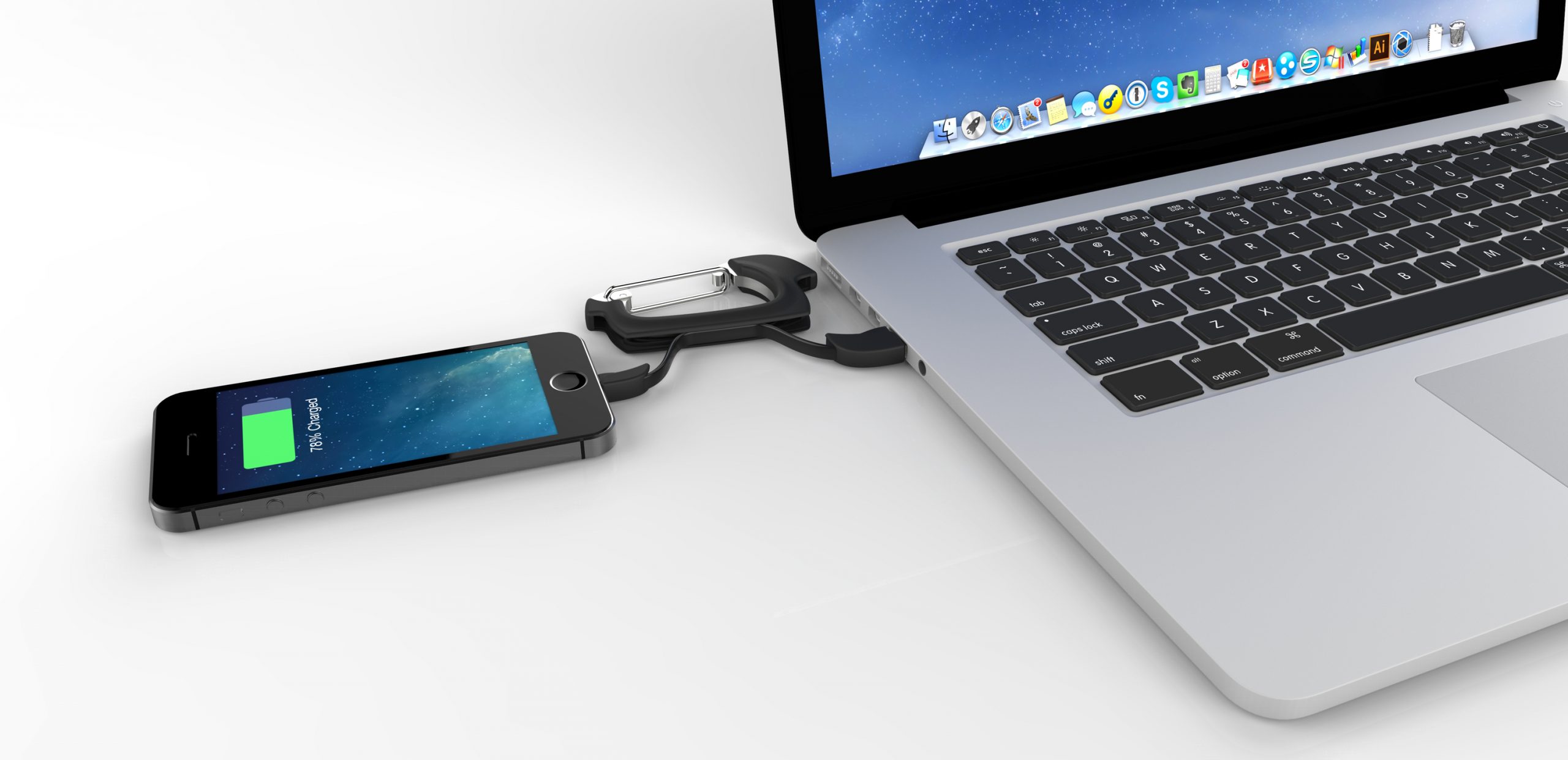
ChargeKey changes its name and offers 25 percent discount for BetaNews readers
You might recall that we recently reviewed the ChargeKey and ChargeCard USB charging gadgets. These are now being relaunched with an updated design using more durable materials and have had a name change to NomadKey and NomadCard -- though we’re guessing they won't recharge your camel.
There's also an extra product, the carabiner-style NomadClip that you can fit on your key chain, belt or anywhere else to ensure you’re never without a charger. It’s non-load bearing but with a steel frame and polycarbonate outer shell it should be tough enough to survive life's day-to-day knocks.

Don’t get too used to 4G, 5G is on the way
By 2020 it's estimated that there will be around 30 times as much mobile internet traffic as there was in 2010. However, the nature of that traffic will be different thanks to the internet of things bringing a whole host of new devices online.
This of course will create demand for faster networks and the European Commission and South Korea have signed an agreement to pave the way for 5G technology.

BlackBerry brings protected messaging to the enterprise
One of the major concerns of mobile use in the enterprise is keeping company data secure. BlackBerry Messenger (BBM) already offers a reliable messaging service with millions of users worldwide, but now with the launch of a new service it lets employees benefit from speedy, reliable and private business communication.
The new BBM Protected service offers enhanced security for messages sent between BlackBerry devices by adding an extra layer of encryption to the standard BBM which encrypts messages in transit.

Comodo introduces new mobile device management features
One of the best ways for businesses to cope with the demands of mobile usage and BYOD is to use a mobile device management solution to allow the IT department to stay in control.
Security specialist Comodo has announced a range of new features to enhance its existing MDM product and make it more attractive to administrators needing to secure and manage large-scale deployments of mobile devices.
Microsoft launches OWA for Android
Following the release of the Outlook Web App for iPhone, Microsoft has finally introduced OWA for Android on Google Play. The app, which is currently labeled as "pre-release", is compatible solely with small handsets, and requires Office 365 for business mailboxes.
As OWA for Android undergoes testing, Microsoft says that it collects feedback, squashes bugs and ensures that the app is ready for general availability. However, even as it is, the app allows users to do "everything" that its iPhone counterpart offers, with the only difference being the ability to update contact information directly from Android.
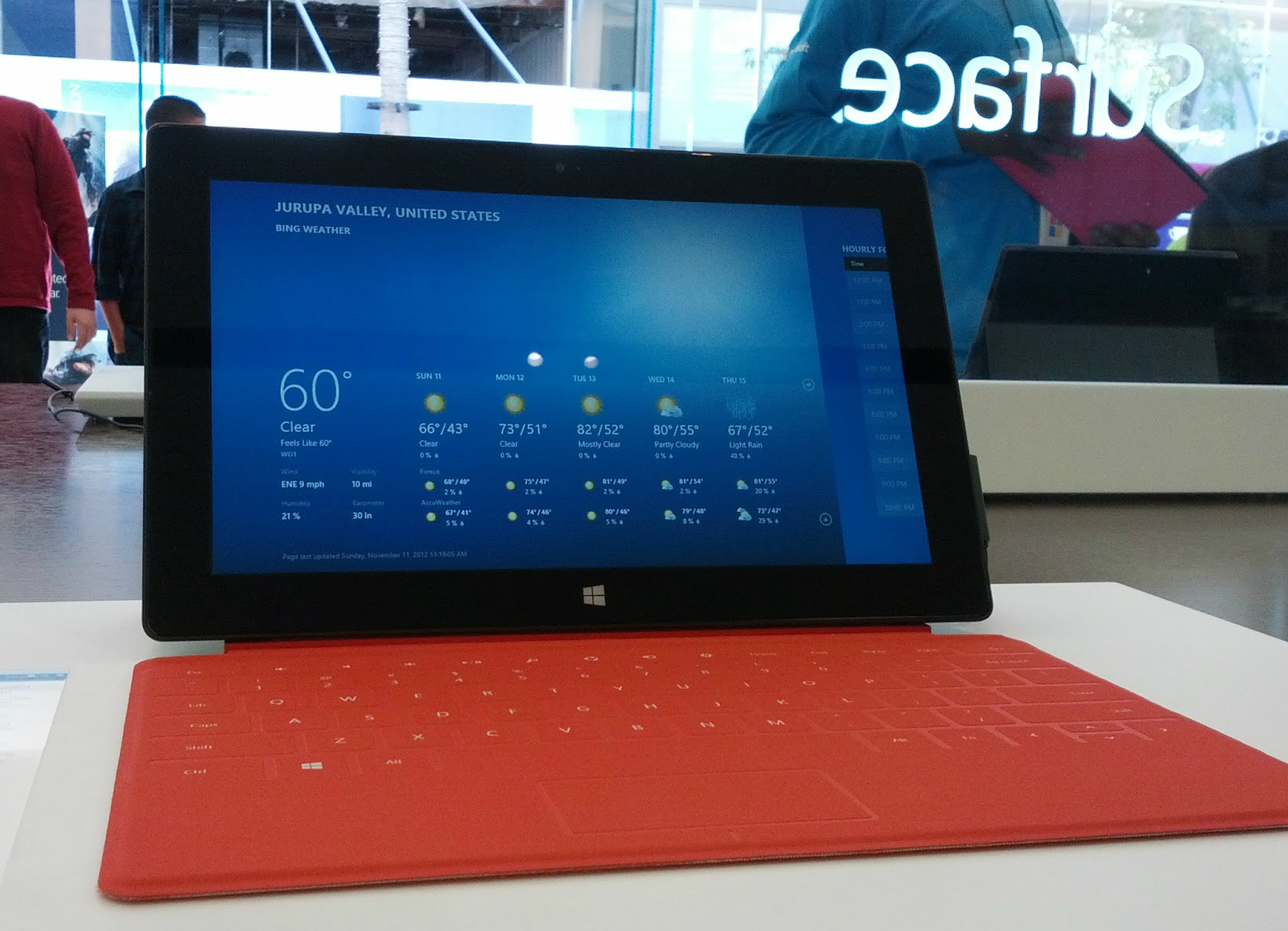
Microsoft breaks the Surface tension
First in a series. My preference is to write about tech that I use -- an attitude shared among BetaNews reporters. We like to get hands-on and write with authority, from experience. That's one reason I write so little about Microsoft now, not being immersed in the company's products. Lately, mine is the Google lifestyle.
But yesterday I started using the original Surface -- the one frequently maligned by critics for so-called limitations associated with Windows RT. This is my first experience with the tab, although I reviewed and frankly loved Surface Pro. Out-of-the-box impressions are great. This is a hugely satisfying tablet, and surely the experience is better with its successor. I was right to ask 5 days ago: "Why not Surface 2?"

High-quality video streaming becomes critical for businesses
According to a new survey carried out by Wowza Media Systems almost 70 percent of people are using four or more devices a day and expect to get high-quality video streaming on all of them.
It also highlights the rise of video streaming as a business tool with more than 80 percent of respondents saying that live and on-demand video is essential within organizations.

Dell offers best practices for BYOD security
The rise in use of mobile and BYOD technology is great when it comes to giving employees anytime, anywhere access to data. But it presents new challenges for IT departments in terms of keeping data safe and secure across enterprise networks and mobile platforms.
In a recent Dell Global Security Survey BYOD was highlighted as a root cause of security breaches. Of those polled 57 percent ranked increased use of mobile devices as being a top security concern in the next five years. Part of the problem is employee resistance as people find workarounds to avoid restrictive security policies. An ever increasing choice of device types and different operating systems can also add to security risks. To help companies gain maximum benefit from mobile device usage whilst keeping data secure Dell has come up with five best practice recommendations for enterprises.
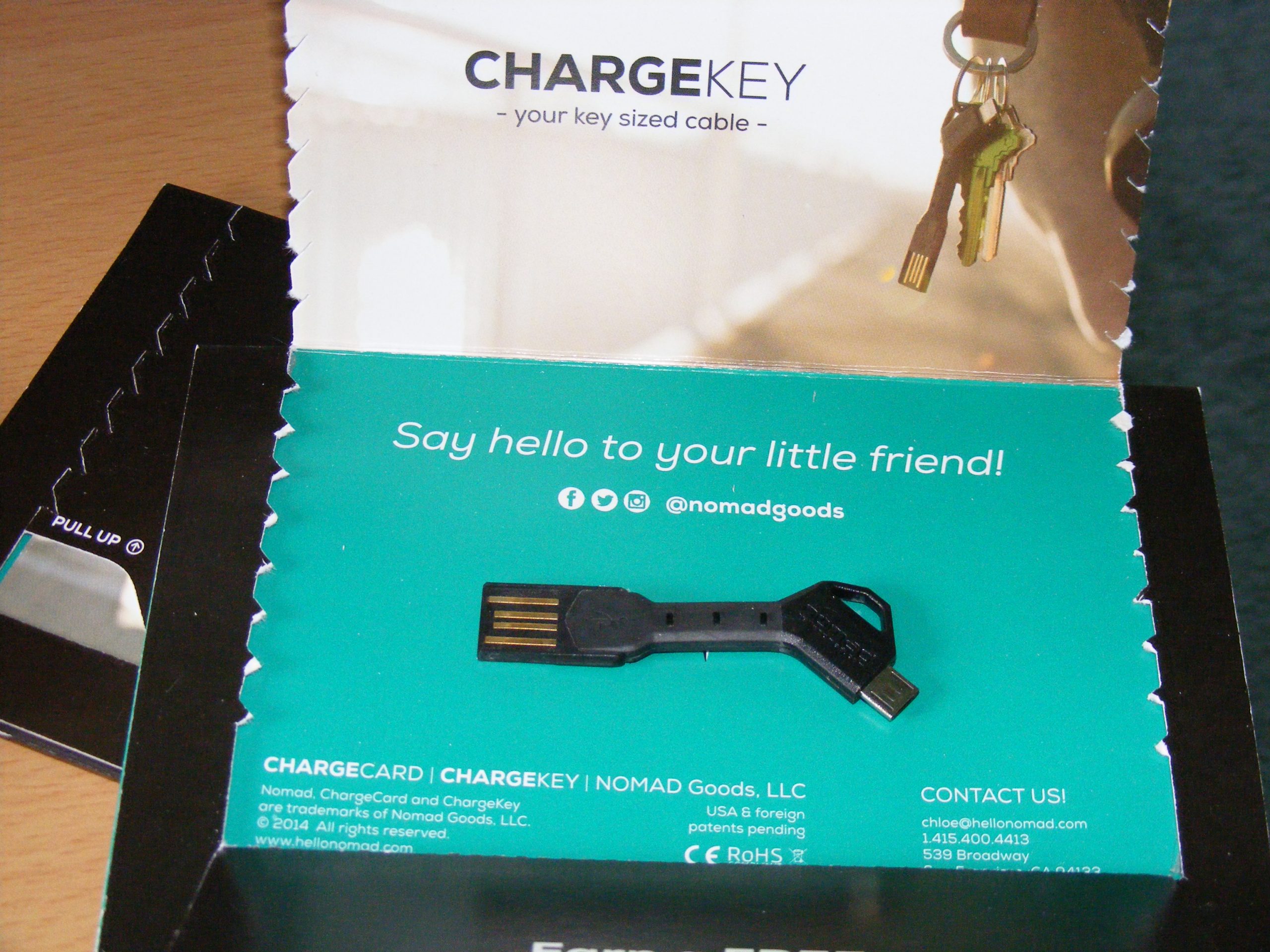
ChargeKey and ChargeCard ensure you’ll never be without a USB charger cable again
As we become more and more reliant on mobile gadgets it's inevitable that running out of battery life on your phone or tablet will become a regular occurrence.
Since we don't tend to carry chargers around with us all the time this can be a bit of a problem. If you have access to a USB port, however, your problems may be over.

HP targets business users with new laptop/tablet hybrid
Mobile workforces demand devices that are powerful enough to perform a range of functions but still retain maximum portability.
Convertible PCs that can play the role of laptop and tablet by flipping the screen around are an obvious choice. HP's latest announcement though takes a slightly different approach with a tablet that detaches completely from the keyboard to offer added flexibility.

Misconfigured apps will account for the majority of mobile security breaches
Security incidents originating from mobile devices are currently pretty rare. But with 2.2 billion smartphones and tablets set to be sold in 2014 and PC sales in decline, the focus of security breaches is likely to shift towards mobiles in future years.
According to research specialists Gartner by 2017 misconfiguration of applications will account for 75 percent of mobile security breaches.

How APIs are changing the face of enterprise computing
The humble API has been around for a long time, enabling applications to exchange data. But in the world of mobile computing and BYOD the role of the API is under greater scrutiny.
This is one of the things that's been under discussion at the recent Gartner Application Architecture, Development and Integration Summit. At the end of last year there were some 10,000 publicly listed APIs, and now it's reckoned that around 24 percent of web applications and 15 percent of mobile applications use them. But what benefits are they bringing to the enterprise?
How worried should you be about BYOD security?
Businesses are increasingly allowing employees to choose their own devices or use personal kit to access corporate networks.
This brings a number of support challenges, not least in keeping corporate data safe. However, a recent study by Gartner shows that people are paying little regard to security when using their own devices for work.



