
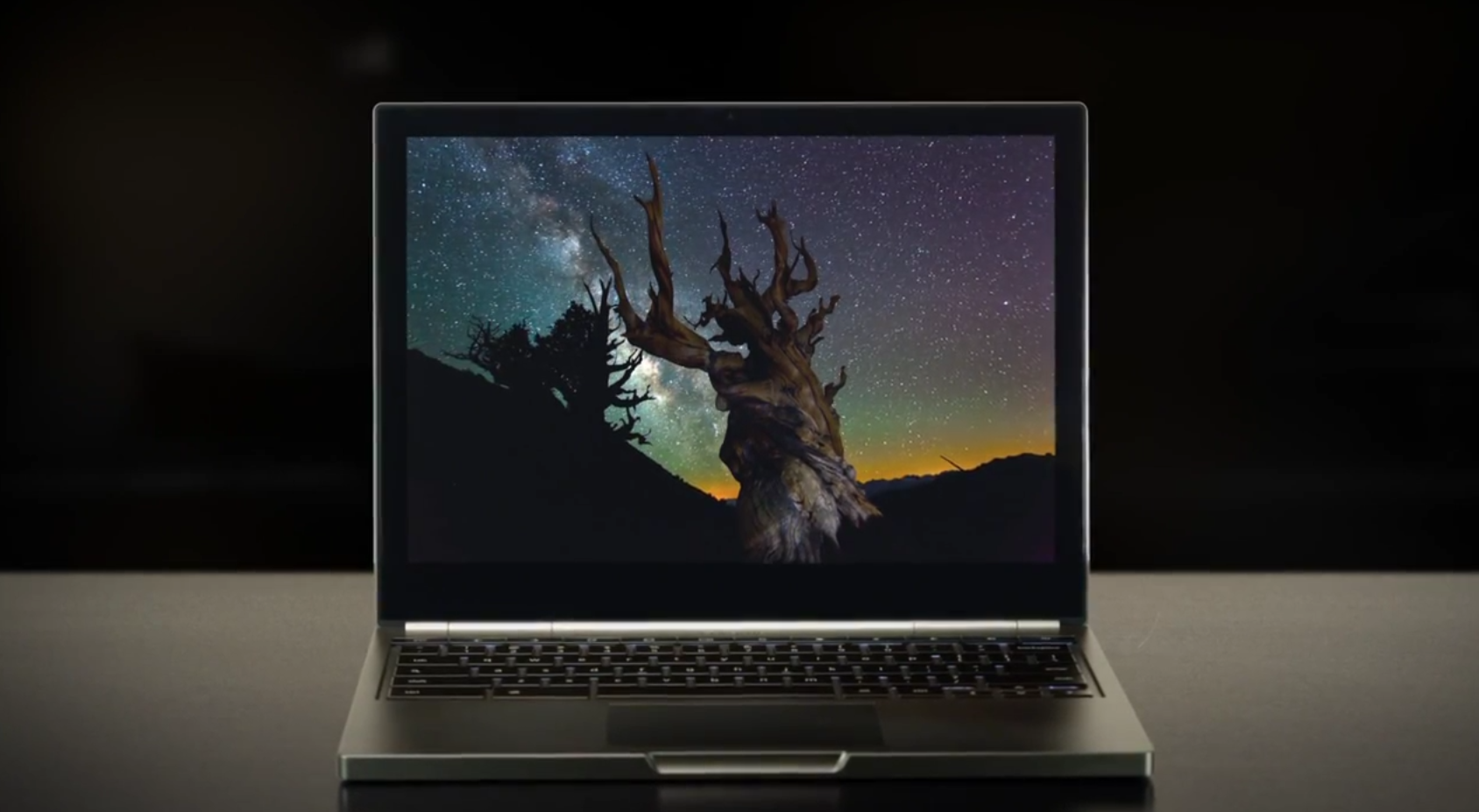
Chromebook Pixel is a status symbol
Google's first computer isn't about sales but status. Critics who lambast Chromebook Pixel as an over-priced web browser wrapped in pretty hardware miss the point. Badly. The laptop will sell, but not in mass-volume because it's not meant to. Is Lamborghini about sales or style? I ask not seeing much commentary about how the Italian sports car is a failure because Ford sells millions more Explorers.
Chromebook Pixel is the luxury car of computers running Chrome OS and perpetually connected to the cloud. Google's beauty is a status symbol for people willing to plunk down $1,299 or $1,449 and makes, along with newer Nexus devices, a bold brand statement: Google is a premium brand and the company a real innovator. For the people who love the brand and want to identify with it, like all those fanboys adoring Apple with their cash, Chromebook Pixel is an easy sell.
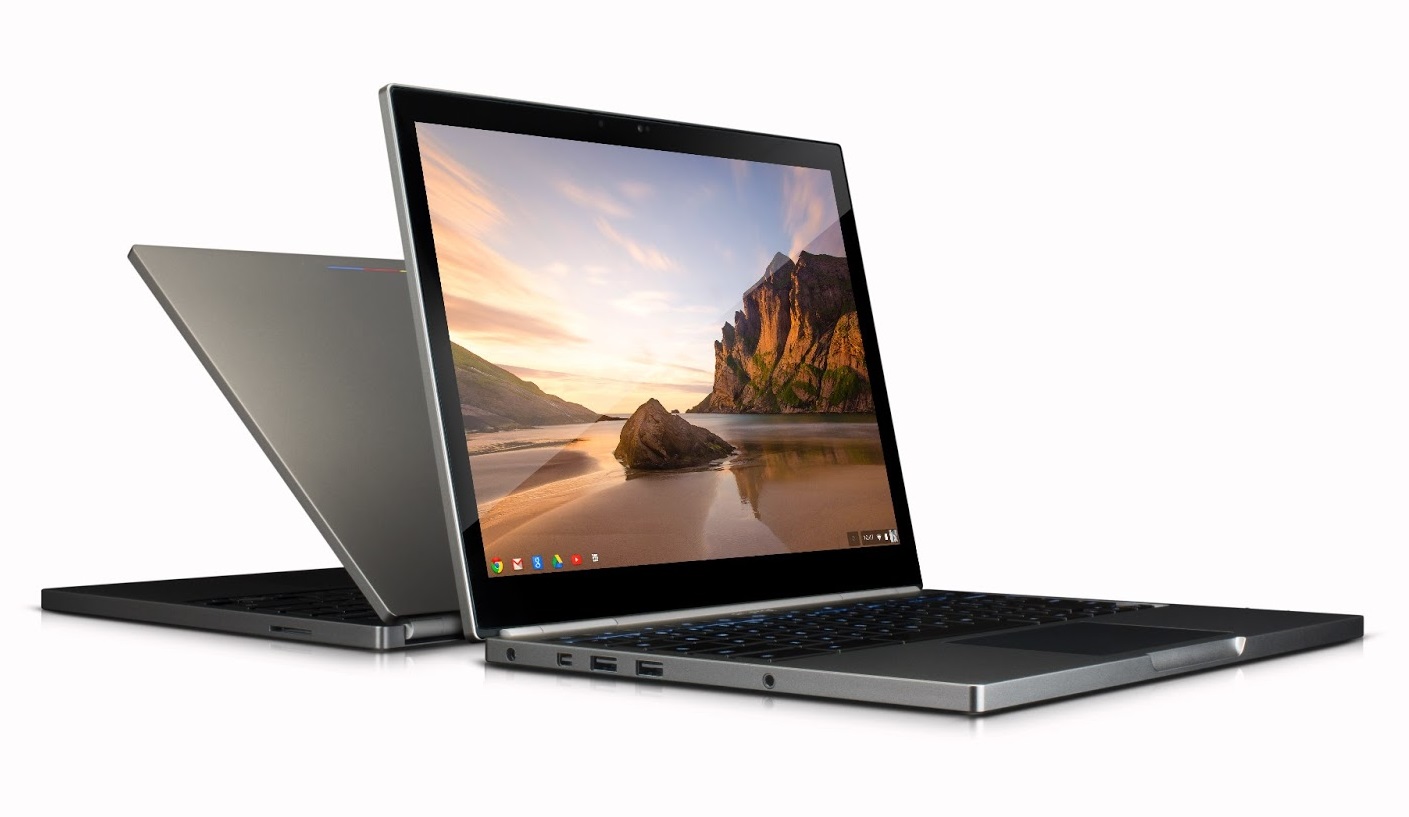
Will you buy Google Chromebook Pixel?
That sound you just heard was Google slapping Apple across the face. Today the search and information giant unveiled and starting selling high-end portable Chromebook Pixel. By just about every measure, Google guns for Apple in its dominant market -- premium PCs, or those selling for $1,000 or more. When rumors circulated about the computer, I opined: "Chromebook Pixel looks like MacBook Pro to me". The impression is stronger now that the real deal is here -- from form factor to price, either $1,299 or $1,449.
Should Apple sweat about Chromebook Pixel? I would. Following a years-long retail trend, Apple share of PCs selling for $1,000 or more was over 90 percent in 2012, according to NPD. Stephen Baker, NPD's vice president of industry analysis, asks if Google is "more trying to compete with Apple and high-end windows machines for premium consumer and maybe corporate?" I answer: Yes. What I want to know: Will you buy Chromebook Pixel? But more importantly: Would you buy Chromebook Pixel instead of 13-inch MacBook Pro?
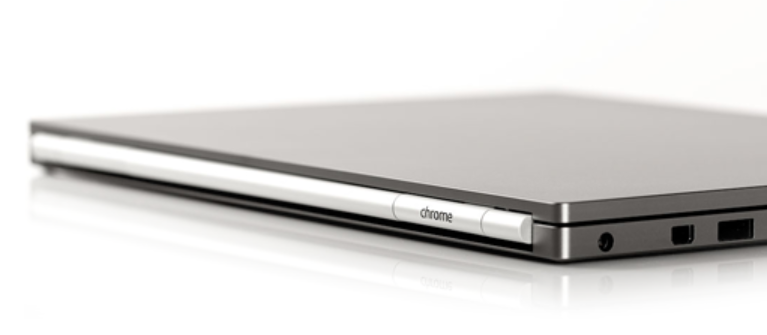
Chromebook Pixel is Microsoft's worst nightmare come true -- and Apple's, too
The rumors were true! Google developed a touchscreen Chromebook for release this year. Like today! No one should misunderstand what the computer means competitively. Already, four Microsoft Windows partners produce Chromebooks -- Acer, HP, Lenovo and Samsung. Chromebook Pixel promises to do for the Chrome OS platform what Nexus devices did for Android smartphones and tablets: Establish a reference design for hardware partners and provide developers base system to develop apps for the platform. But it's also a competitive move against PCs running OS X or Windows and Google pushing Chrome OS into the premium notebook market.
Today Google unveiled Chromebook Pixel, following weeks of rumors. The company also extended a vision for Chrome OS. Bottom line: Commitment to the operating system is strong. The search and information giant briefed journalists in different cities. I had to turn down an invite to the San Francisco briefing because of family matters. Do I feel left out! But, hey.
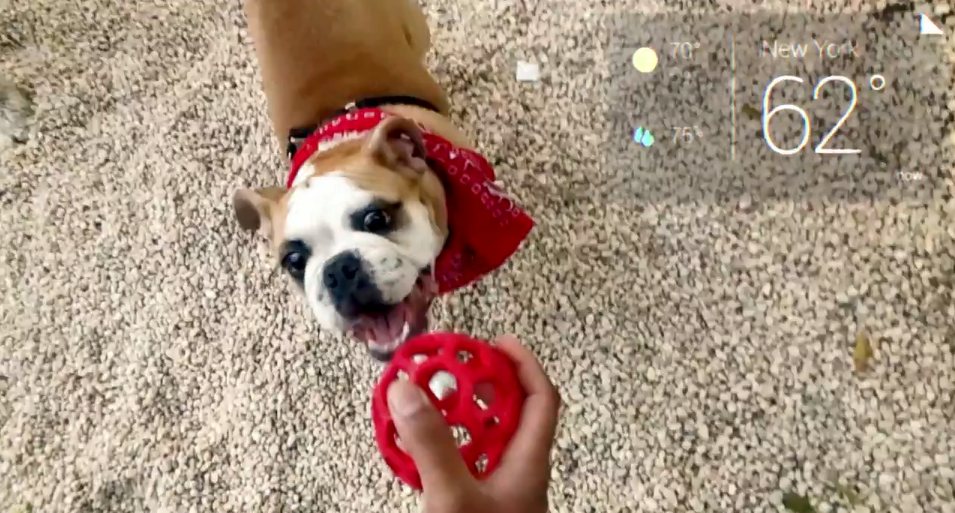
Today Google made me want Glass
We all have heard about Google Glass -- for sometime now. There's talk it's coming (but not when) and that there are unique capabilities (but most details are under wraps). Google Glass is a bit of an enigma, and I have remained largely uninterested in the project. That changed this morning.
Google makes me want a product I had no idea I was even interested in -- I am pretty sure that's the intention. In fact, Google had me drooling in only two minutes and sixteen seconds -- talk about a good sales pitch. And the video did not even require many words to accomplish its task.
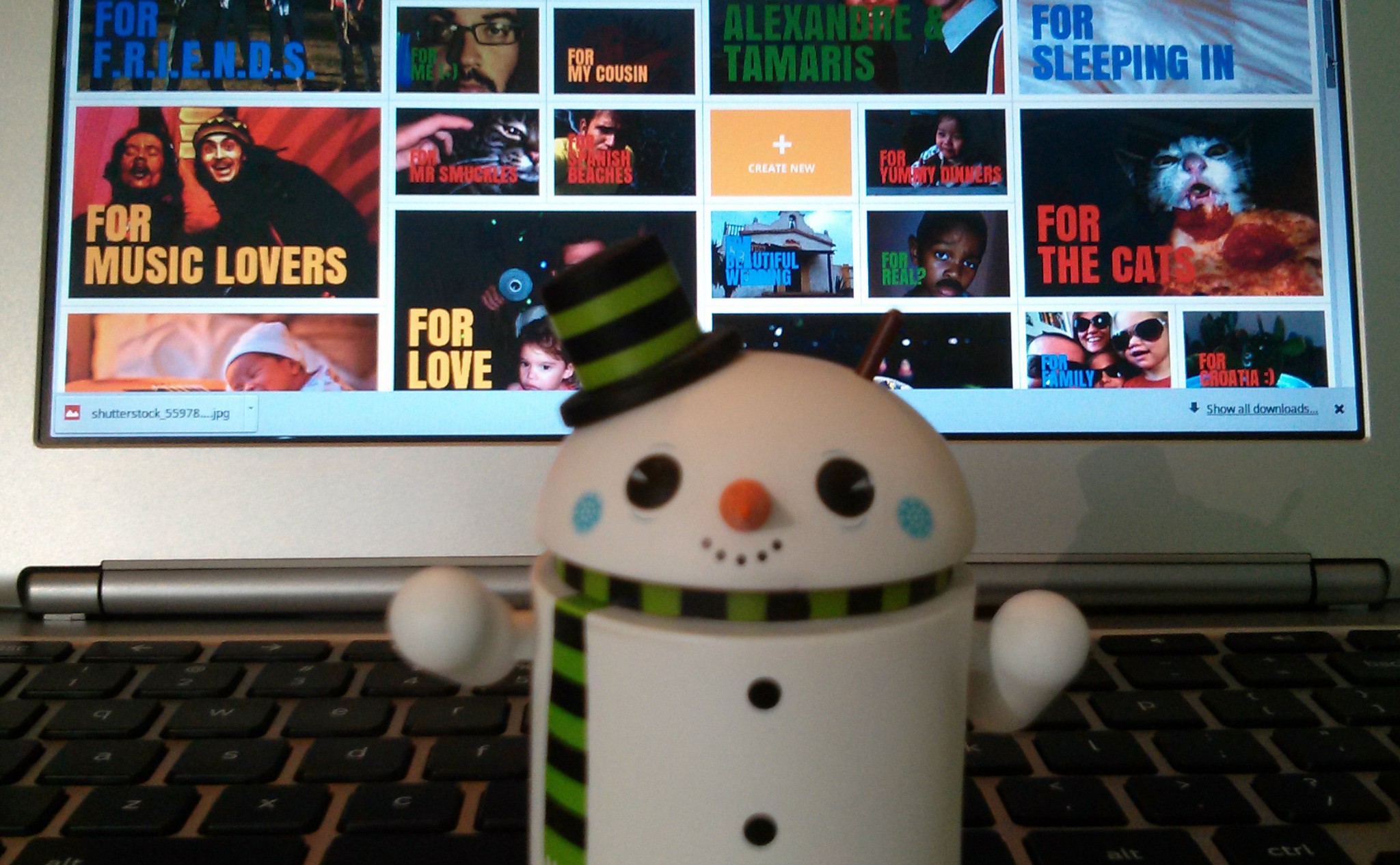
Why I love Chromebook
Third in a series. For Valentine's Day, Wayne Williams and I explained why we love Kindle and Surface Pro, respectively. We've decided to extend the concept into an ongoing series, which I continue about Chromebook and in many more ways Chrome OS.
My Chromebook journey began in December 2010 when Google dispatched 60,000 Cr-48 test units. I used the computer as my primary PC for a week, but no more, being a concept. But, then, my 11.6-inch MacBook Air failed in March 2011, and I reverted back to the Cr-48 during the emergency. In June 2011, Samsung released the Series 5 Chromebook, which I used as my only PC for two solid months. But performance couldn't meet my needs -- that is until the successor, the 550, launched in May 2011. I abandoned MacBook Air and didn't look back. Performance and features met my needs. I traded performance for better ergonomics when switching to the ARM-based Series 3 Chromebook in October.
Winners of the UK's 4G auction announced
UK Telecoms regulator Ofcom has announced the winners of the auctions for 4G spectrum on the 800MHz and 2.6GHz bands, and it’s a list with no surprises. After more than 50 rounds of bidding the winners are EE, Hutchison 3G UK, Niche Spectrum Ventures (a subsidiary of BT), Telefónica, and Vodafone.
The Office for Budget Responsibility had expected the auction to raise £3.5bn but in the end it actually raised considerably less -- £2.34bn. A fraction of the £22bn the 3G spectrum auction brought in for the Treasury in 2000.
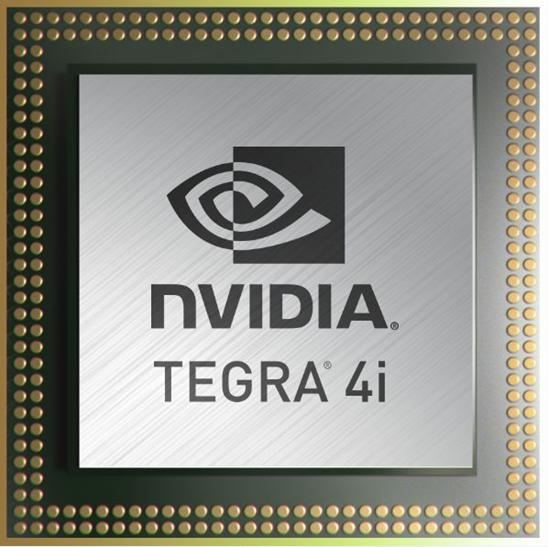
Nvidia unveils the Tegra 4i, with integrated 4G LTE processor
On Tuesday, Santa Clara, Calif.-based technology company Nvidia took the wraps off a new mobile processor part of its Tegra lineup, named Tegra 4i. The latest product comes with "fully integrated 4G LTE" connectivity, a first for Nvidia, and it is designed to fend off attack from similar solutions, like Qualcomm's newest Snapdragon lineup.
The new Tegra 4i sports 60 custom GPU cores and a 2.3GHz quad-core CPU that is based on the "newest and most efficient" ARM R4 Cortex-A9 architecture. The traditional Tegra battery-saver core is also present. The Tegra 4i, however, comes in slightly under the Tegra 4 processor unveiled at CES 2013 in Las Vegas, the latter of which features 12 more GPU cores and is based on the faster ARM Cortex-A15 architecture.
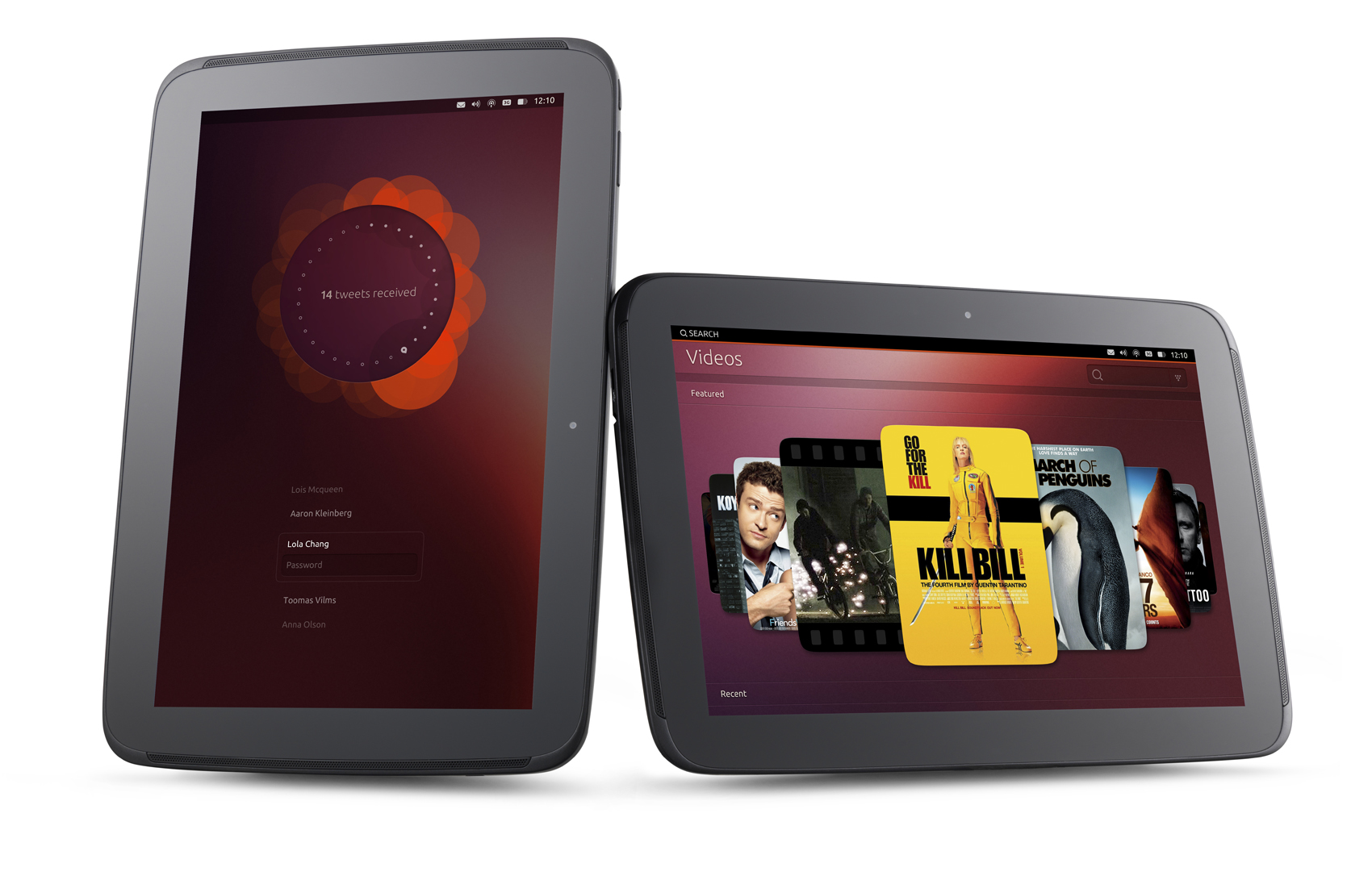
Ubuntu tablet challenges Android, BlackBerry, iOS and Windows
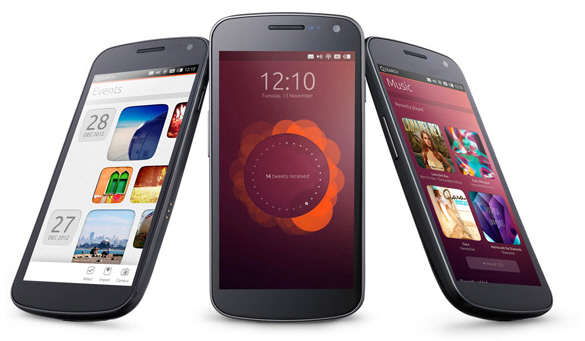
Developers looking for Ubuntu on smartphones will get a second treat on February 21. Today, Canonical revealed a build for tablets. Supported testing devices for both platforms: Galaxy Nexus, Nexus 4, Nexus 7 and Nexus 10. Ubuntu replaces Android, not runs alongside or dual-boots with it.
"Ubuntu tablet" supports multi-touch slates running dual-core ARM A9 processor with 1GB of RAM and 8GB storage. However, Canonical's ambitions are greater for commercially-shipping products: dual-core A15 processor and 2GB RAM for 7-to-10 inch tablets and quad-core A15 or x86 processor and 4GB of RAM for 10-to-12 inch slates. The specs reveal plans to compete with touch ultrabooks or tablet hybrids like Microsoft Surface Pro. The operating system supports up to 20-inch tablets. However, lower-end tablets will be a priority.
Developer preview for Ubuntu Phone due this week
Canonical says it will be publishing images and open source code for the Touch Developer Preview of Ubuntu for Galaxy Nexus and Nexus 4 on Thursday 21 February. So if you have a spare compatible handset -- or you don’t mind converting your existing phone -- you can try out the fledgling mobile OS in time for the weekend.
The aim is to encourage developers to create apps for the new operating system, but enthusiasts are welcome to take it for a spin too. According to Canonical, tools that manage the flashing of the Galaxy Nexus and Nexus 4 will be available on the same day as the images, along with detailed installation instructions.
Microsoft bundles tempt Surface Pro buyers
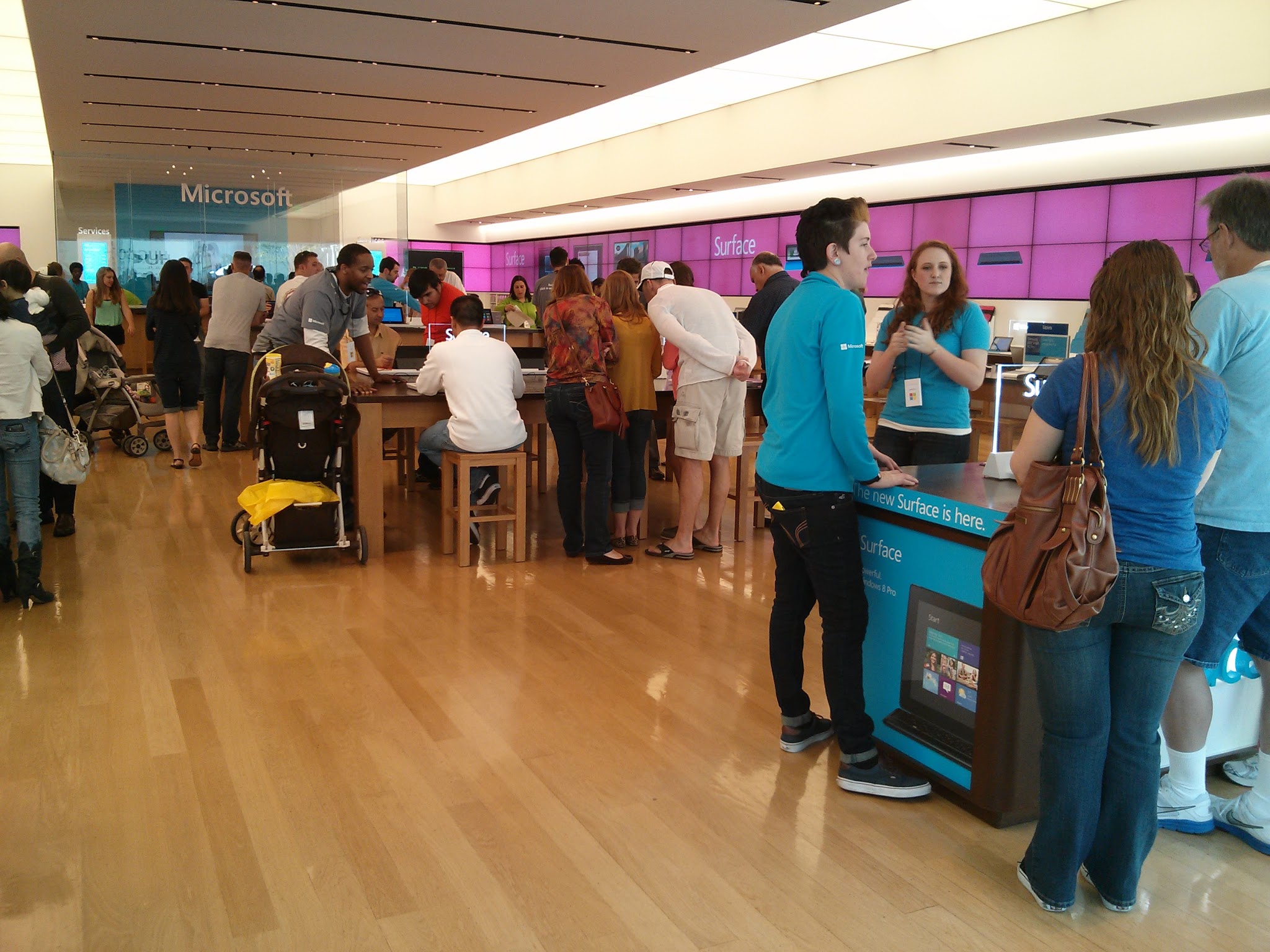
Yesterday, I spent about 45 minutes at Microsoft Store San Diego, which was busy -- sight not seen since Kinect's November 2010 launch. Shoppers came to see Surface, and there were lots of questions and explorations of both tablets, although clearly Pro was the draw. Unfortunately, only the 64GB model is in stock, which somewhat muted sales, or so I observed.
If Surface is a failure, as so many bigmouths on the InterWebs claim, what company wouldn't want one like this? There are many measures of success in retail, and just getting people in the door is one of them. Once inside, shoppers may buy something, or walk out feeling better about the brand, leading to sales of something else later on. "Jesus! Can you believe that Microsoft? Baby, you shop here for my birthday!"

Making the case for the smart watch
With all apologies to my colleague Joe Wilcox, who bashed the Apple rumor of an "iWatch", I must respectfully disagree. I get his point, don't get me wrong. Most people of the "modern" generation do not even wear watches. In fact, they may not even own them. The cell phone has become the time piece of choice in today's world. I also understand that a watch is not the ideal place to check your email. The screen is simply too small.
However, there are uses for these devices for some of us. Not all of us, but some. I am a runner. Have been since middle school -- more years ago than I care to mention. Those of us who ran cross country and track, and later moved to road races, care about time and smartphones don't cover it. Sure there are apps for that -- Map My Run, Run Keeper, Nike...they all do the job. My colleague Wayne Williams loves Zombies, Run! But, who wants to strap a 4.5-inch screen to their arm and go for a run?

Lamest Apple rumor yet: iWatch
Either Apple has gotten so good at keeping secrets that no one knows what's next, or there ain't nothing new to gossip about. That is my reaction to the Wall Street Journal weekend story claiming the company is working on a wrist-watch. Move over Casio! Stop saving for Rolex! Because the fruit-logo company's next, big thing -- the new category to rival iPhone and iPad -- is the timepiece? Surely CEO Tim Cook and Company realize that many people get the time from computer or smartphone.
Some advice to Apple: Talk to "been there, done that" Microsoft, which made valiant effort with Smart Watch, only to fail. There was some real innovation behind the concept, using FM radio to transmit news, traffic and other data to the timepiece. But smartphones, more today than they did then, provide the same information. Will it really sell on the wrist?
Believe it, smartphones and tablets make people use PCs less
What a difference three years make. In April 2010 I asked "Will iPad cannibalize Mac sales?" and a month later PC sales. Fast-forward 12 months, NPD answered a definitive "No". I disagreed: "Call me cynical and skeptical, but I'm convinced that changing behavior will cause many smartphone buyers, and many more tablet adopters, to delay PC upgrades".
Today, NPD sees things a little differently, based on fresh survey data that puts context behind two years of declining PC sales -- that despite Windows 8's release little more than three months ago. The firm finds that 37 percent of US consumers now access content on smartphones or tablets they used to on PCs. Changing behavior like this affects computer sales, as consumers shift behavior and delay PC upgrades or don't buy ever.
Google takes the busywork out of managing mobile ad campaigns
Google today announced big changes to their AdWords money making machine in a bid to dramatically increase mobile advertising adoption and the Cost-Per-Click (CPC) of mobile search ads -- by making their advanced mobile search advertising features work by default, rather than requiring tons of extra effort on the part of the advertiser to make them work, and also by changing the way mobile CPCs are set.
The changes announced today, known as “Enhanced Campaigns”, will become available to customers by the end of February and will be applied automatically to all advertisers by mid-year. In this article, I’ll explain how the coming changes will impact Google’s bottom line.
Microsoft says you don't care about online safety, 'despite multiple risks'
Do you really care about security on the interwebs? According to the latest Microsoft Computing Safety Index (MCSI), most of us don't. Of the 10,000+ PC, smartphone and tablet users surveyed, 55 percent experienced multiple online risks, but only 16 percent took proactive safety measures.
The numbers keep piling up. When it comes to theft of account information or passwords, 47 percent of surveyed users said they find it a reason for concern. However, just 33 percent of respondents are actively fighting online theft by using secure websites, and only 28 percent of surveyed users steer clear of using open Wi-Fi hotspots on mobile devices.



