Surprise! The global PC monitor market sees positive growth for a change


The PC market might still be in the doldrums, but there’s good news in the screen department at least. After three quarters of solid decline, the International Data Corporation (IDC) Worldwide Quarterly PC Monitor Tracker finally reports some growth.
Although year-over-year growth was down -8.6 percent in 3Q13, due to the ongoing decline in PC sales, monitor shipments topped more than 35 million units, 1.2 million over the forecast, and showed an increase of 4.5 percent compared to the previous quarter.
You may not want that Windows Bay Trail tablet after all


An old friend has been telling me for months that the future of personal computing was coming with new Windows tablets using the Bay Trail system-on-chip architecture built with Intel Silvermont cores. Silvermont is the first major Atom revision in years and is designed to be much faster. Bay Trail would lead to $199 8-inch Windows tablets while also fixing the limitations of Intel’s previous Clover Trail. Well Bay Trail units are finally shipping but my techie friend is sorely disappointed with his.
The lure of this platform for Intel is great. Manufacturers could use the same chassis and chipsets for everything except gaming boxes and servers. Eight inch tablets, ChromeBooks, Ultrabooks, 10-inch tablets, and netbooks, all one chassis with up to 4GB of RAM and a 256GB SSD. One size fits all for home, car, travel, and work.
The PC is dying, and the tablet's future isn't looking so healthy now either

There are several explanations as to why PC sales are so dire. Users have few compelling reasons to upgrade -- existing systems can still run all the latest software, and touch really isn’t the major selling point that manufacturers believe it to be. The rise of the tablet has played a major role in the PC’s demise too, providing casual users with a more flexible alternative.
While tablets have enjoyed rapid growth over the past couple of years, and phenomenal sales numbers will surely be racked up this holiday season, the International Data Corporation (IDC) has sounded a word of caution, lowering its tablet shipment forecasts, and predicting growth to start slowing by as soon as next year.
What's next for tablet technology?


The iPad wasn't the first tablet on the market, but it was certainly the first to capture the public's attention in a big way. And now, we live in a world where predictions tell us nearly weekly that the reign of the desktop PC is coming to an end.
That may or may not be true, but the fact remains: the tablet is here to stay, and it’s one of the fastest-selling electronic devices in recent history. While the newly unveiled iPad Air and iPad mini Retina are bringing people in droves to local Apple stores, Google continues to impress with its Android-powered Nexus tablets, and Windows-based tablet computers like the Surface 2 are gaining traction in an increasingly crowded market.
Global PC shipments record sharpest annual decline EVER

It seems like we’re forever posting stories about the decline of the PC, and here’s another one. This time, IDC is delivering the bad news, and make no mistake, it is bad news. Catastrophic news in fact, because IDC says worldwide PC shipments are experiencing the "most severe yearly contraction on record".
Shipments were expected to fall by 9.7 percent in 2013, but IDC has revised that estimate to a worse 10.1 percent. Next year the outlook isn't expected to be quite as bad, but things are still going to be very bleak, even in emerging markets, the traditional primary growth area for the PC.
Microsoft showcases new devices for 'New Windows'

Windows 8.1, like its predecessor, is designed to run on a multitude of different devices -- desktop PCs, laptops, tablets and hybrids. When Microsoft first unveiled Windows 8 last year, there weren’t many products which really took advantage of the new Modern UI.
Fast forward to present day, and that’s all changed, with loads of touch screen devices available from all the major manufacturers including ASUS, Dell, HP, Lenovo, Nokia, and Samsung.
Intel’s holiday buyer’s guide rounds up the best Windows 8.1 devices
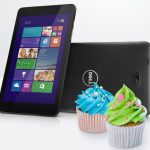
If you’re looking for a new tablet, laptop, 2-in-1 device or all-in-one system you might want to take a look at Intel’s new Holiday Buying Guide. The chipmaker has put together a 20-page PDF brochure featuring products from the likes of ASUS, Dell, Lenovo, Sony, HP, and Samsung.
Divided into sections, starting with 2-in-1 Devices, the guide tells you a bit about that particular type of system, and then presents a selection of shiny new hardware vying for your attention (and hard earned cash) this holiday season.
Surface vs iPad shows how little Microsoft and Apple have really changed

I own an iPad, and despite not rushing to buy a Surface, I actually quite like Microsoft's slate. A couple of days a week I work on my iPad (mostly remote accessing my PC via Parallels Access) and it's not a great experience. I know I'd get a lot more done if I was using a Surface Pro 2 instead, but Apple's tablet is far better in other areas, so for me it wins on balance.
Yesterday, on the Surface blog there was an article headed "What's new in Surface Pro 2". It was a detailed look at what Microsoft has done to improve the latest generation of its slate and I found it fascinating. Partly because it was an interesting read, but also because it was the sort of thing Apple would never do.
It's game over for the PC as shipments in Europe collapse

When reporting on PC shipments, it’s pretty much guaranteed to be bad news these days. However, the latest PC shipment news from Gartner can’t really be described as bad, more like out and out disastrous.
Shipments in Western Europe totaled 11.9 million units in the third quarter of 2013, a decline of 12.8 percent from the same period in 2012. The drop relates to all PC segments. Mobile and desktop shipments fell by 14.5 percent and 9.8 percent, respectively. PC shipments in the professional PC market shrank by 8.3 percent, and the consumer PC market plummeted by 17.1 percent. Tablets, naturally, are to blame, although Windows 8 and 8.1 have a part to play in the collapse too.
Amazon’s new graphical cloud helps make desktops obsolete

Amazon Web Services quietly released on Tuesday a pair of new instances on its EC2 cloud computing service. Not just new instances but a whole new type of instance aimed at 2D and 3D graphical computing. For the first time from AWS in a generally available instance, developers and users will have access to virtual machines with GPUs.
It’s like putting a PC in the cloud. More properly it is like putting your PC in the cloud. I think this has great disruptive potential. And that means we’ll see similar services coming soon from other cloud providers.
Can smartglasses have a role in the workplace?


Google Glass has caused a bit of a stir, whether it's for the ability to turn us all into government spies or for causing the slightly distracted Google gaze. But there's been relatively little discussion of how smartglasses might be useful for business.
Until now that is, because a new report by Gartner says that smartglasses have the potential to boost worker efficiency in areas like healthcare, manufacturing and field service.
PCs slump, tablets rocket as consumers switch to cheaper kit

Combined shipments of devices -- PCs, tablets and mobile phones -- are set to reach 2.32 billion units in 2013 according to technology research specialists Gartner. This represents a 4.5 percent increase over last year, but much of the growth is driven by a shift to lower priced devices.
Traditional PCs are forecast to show an 11.2 percent decline, which drops to 8.4 percent when ultramobiles are included. Mobile phone shipments are forecast to grow 3.7 percent to around 1.8 billion units. It's tablets that are still the darling of the consumer though, shipments are expected to be up a whopping 42.7 percent this year reaching 184 million units.
Lenovo Miix2 -- an 8-inch Windows 8.1 tablet

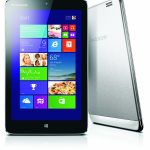
Small tablets are very popular lately; the Nexus 7 and iPad Mini are two great examples of that. However, even though Windows 8 is designed for touch, a quality small (8-inch and below) tablet has eluded consumers. My experience with the Acer Iconia W3 was epically bad -- the screen and overall build quality were poor. Sadly, this device may have harmed consumer confidence in small Windows tablets.
Today, Lenovo aims to greatly improve the perception of reduced-size Windows devices as the company announces the Miix2 8-inch tablet. By combining the computer manufacturer's well-known build quality with the much improved Windows 8.1 operating system, the company should have a winner on its hands.
PC market continues to decline but beats expectations

Reports from leading analysts for the third quarter of 2013 suggest that the PC market is still in decline. However, sales haven't declined as quickly as predicted.
According to IDC's Worldwide Quarterly PC Tracker PC shipments totalled 81.6 million units in the third quarter. This represents a 7.6 percent decline over the same period last year, better than the 9.5 percent that was being predicted. IDC says the market was buoyed by business purchases plus the channel intake of Windows 8.1 systems in September.
The challenge of tablets in the enterprise

Independent analysis company Ovum has released a new report titled Challenges and Best Practices for Deploying Tablets in the Enterprise which finds that tablets are ever more prevalent in businesses.
It notes that as the market for tablets grows, usage of these devices is changing the way people work and is having a noticeable impact on the enterprise. Whether through units supplied by the company or BYOD, fast increasing numbers of tablets are being used to access corporate data and applications.
Recent Headlines
Most Commented Stories
© 1998-2025 BetaNews, Inc. All Rights Reserved. About Us - Privacy Policy - Cookie Policy - Sitemap.