

Chrome for Android 27 introduces fullscreen on phones, tab history on tablets
Google has released Chrome for Android 27, a major update to its open-source browser for Android smartphones and tablets. Version 27 boasts several key new features, including full-screen support on smartphones and the ability to access a history of previously opened tabs on tablet machines.
A key improvement on all platforms is the simplified searching tool. When using the omnibox to search the net, it will remain visible when displaying search results, making it easier to both view and edit searches.
Samsung Galaxy S4 is NOW available at Verizon
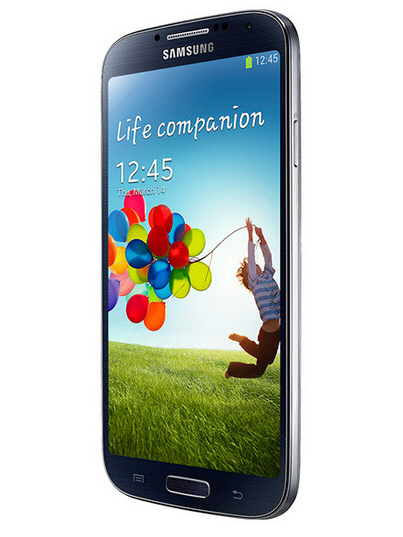
On Thursday, little under a month after the smartphone's global launch, the Galaxy S4 finally arrives at US mobile operator Verizon. The handset is available now at big red for $199.99, alongside a two-year contract, in either Black Mist or White Frost.
Today, rival mobile operator AT&T revealed that the Aurora Red Galaxy S4 comes exclusively through its online and brick and mortar stores (pre-orders start tomorrow). Tough luck for Verizon customers looking to grab the smartphone in the red trim, which is a tad ironic considering the carrier's logo (yes, it's red).
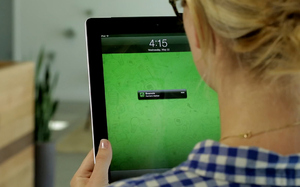
Evernote adds Reminders for the absent minded
Evernote continues to evolve in its quest to keep up with (and even outpace) Microsoft's OneNote. The service is already available on all the major platforms, and today adds a new feature which a lot of users have been asking about for some time -- Reminders.
"For the millions and millions of people around the world that use Evernote everyday to achieve their goals, we’re excited to announce a new part of Evernote that will keep you on track every step of the way. Reminders are here", says Evernote's Andrew Sinkov.

iPad follows iPhone, gets the Mailbox treatment
On Thursday, following user demand, Mailbox released an update for its iOS mail app that introduces support for iPads. The service, which delivers more than 100 million messages each day, was previously available as an iPhone-only affair.
Mailbox boasts a better organized and easier to manage inbox, allowing its users to take advantage of swipe gestures to archive or trash messages. Similar to alarm clocks, the app also offers the option to snooze emails in order to receive them at a later date in the inbox.

Google X acquires flying turbine company Makani
Google may be most readily associated with the Internet, apps and mobile devices, but the company has many more strings to its bow. Google X -- the secretive research and development division best known for Project Glass and the driverless car -- has acquired Mikani Power, a green energy company that generates power with flying turbines.
Ground-based wind turbines are common all over the world, but Mikani Power takes a slightly different approach. Using wings fitted with miniature turbines it is possible to generate power with a series of self-piloted kites. Successful tests have been conducted on a 30kW prototype model, with plans to scale up to 600kW in the future.
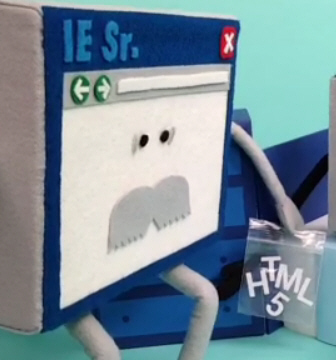
Internet Explorer uses its ongoing Vine series to tease future WebGL support
The leaked builds of Windows 8.1 provided a pretty strong clue that Microsoft intends to support WebGL in Internet Explorer 11, but so far the software giant has stayed silent on such matters.
However, a new Vine clip -- part of an on-going series titled "Not your Father’s Browser" -- drops a pretty big hint that WebGL (Web Graphics Library) support is definitely on its way.
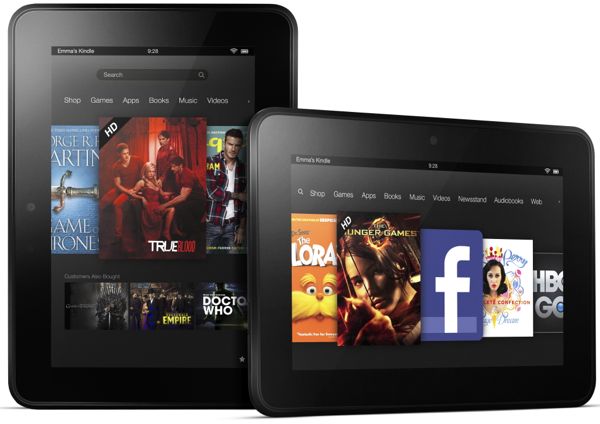
Amazon hunts more market share, takes its Appstore and Kindle Fire tablets global
On Thursday, Amazon announces that the Kindle Fire HD tablets, in 7-inch and 8.9-inch trim, are now available for pre-order through its website in more than 170 countries and regions worldwide. Previously, the US e-commerce company only offered the two devices in a lower number of markets.
"Kindle Fire HD is the number one best-selling item in the world for Amazon since its launch, and we're thrilled to make it available to even more customers around the globe today", says Amazon Kindle vice president Dave Limp. The two devices go on sale from June 13, with the price starting at $214 for the 7-inch Kindle Fire HD and $284 for its bigger brother, the 8.9-inch Kindle Fire HD (both with no special offers and sponsored screensavers).
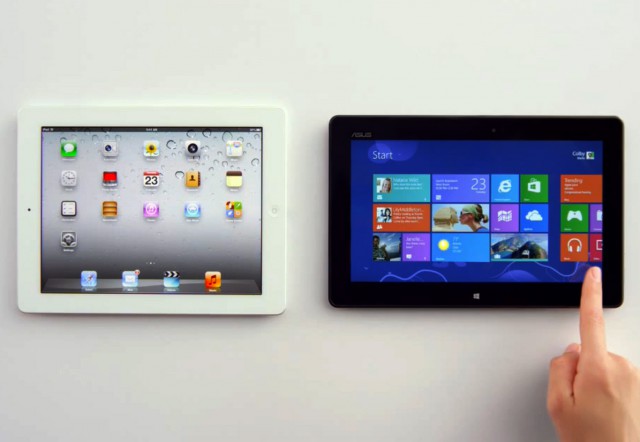
Microsoft recruits Siri to highlight the iPad’s failings
I’m not a fan of the "Scroogled" campaign, because Microsoft is just attacking Google rather than focusing on selling its own products. It’s a negative campaign dressed up as consumer championing, and I don’t think it does the software giant any favours.
However, I do like the new Windows 8 commercial which is a clever attack on the Apple iPad (a device I own and love).

Kim Dotcom does the patent two-step to fund his trial
Kim Dotcom enters the spotlight once again after claiming that Google, Facebook, Citibank and Twitter, among others, infringe upon his patent for two-factor authentication. The man is one of the founders of controversial Megaupload and Mega cloud storage lockers and is currently under indictment in the US for copyright infringement.
Dotcom decided to reveal the alleged wrongdoing and mention the patent yesterday, after Twitter enabled the security feature: "Twitter introduces Two-Step-Authentication. Using my invention. But they won't even verify my Twitter account?!". The patent in question was filed in 1998 by Kim Schmitz (Dotcom's birth name) and is named "Method for authorizing in data transmission systems".
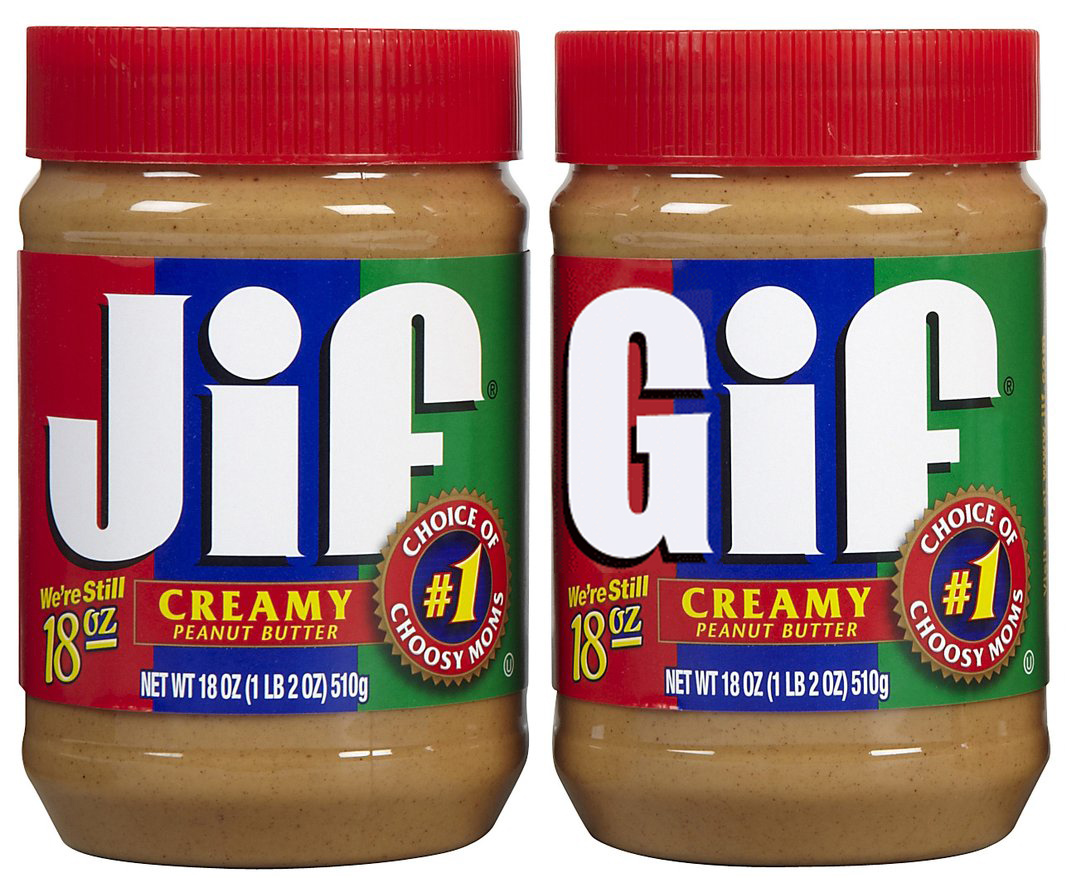
It’s pronounced 'jif' -- jot it?
Do you say "gif"or "jif"? I’ve always been in the gif camp but Steve Wilhite the inventor of the Graphics Interchange Format (GIF) says it should be pronounced "jif". Speaking to the New York Times in the run up to being honored with a lifetime achievement award at the Webby Awards he said he was "annoyed" that there was still debate about how the acronym should be pronounced.
The Oxford English Dictionary accepts both pronunciations, but there’s long been debate about which one is correct, there’s even a Gif Pronunciation Page dedicated to the argument. It suggests that the reason for the "jif" sound is to associate it with the popular brand of peanut butter -- a staple of programmer diets. Of course this only works in the US, here in the UK we think of Jif as a brand of lemon juice or a defunct product for cleaning the sink.

If Microsoft can’t beat them, it bashes them
Microsoft has been on a roll lately in its sad attempt to publicly bash Google. From the "Scroogled" campaign, to "Bing It On", the company is more focused on the current king of online search than solving its own problems. Focusing on Google internally is fine enough, but is classless to do so publicly. You should never have to bash a competitor’s products to further advance your own.
With that said, Microsoft continues the desperation in the latest Bing blog entry entitled “The Grand Bargain”. Stefan Weitz, Bing senior director, explains that your information being sold to advertisers is the price paid for Google services. However, Weitz further claims Microsoft does it too but it is OK because the software giant isn't "solely an advertising-driven company". This implies that Google is strictly an advertising-driven company. While advertising is a huge source of Google’s revenue, it is not the company's sole source. Microsoft's statement is simply not true.

Xbox One fights for the living room
On May 21, Microsoft unveiled its next-generation game console, the Xbox One. This hour-long sneak preview into what’s coming soon for the entertainment platform gives us a pretty good picture into how serious Microsoft takes the living room. While the devices-and-services company struggles in mobile and other computing devices, it has a pretty good head start in the living room, and the message to competitors: We’re ready for a fight.
Microsoft positions the new console as a serious player in the living room. Xbox One shucks tradition to the wind as evidenced by the fact that the very first demo showed off its multimedia prowess: Fast app switching, made capable by three operating systems; deep Skype integration and a drastically improved natural interface layer powered by Kinect.
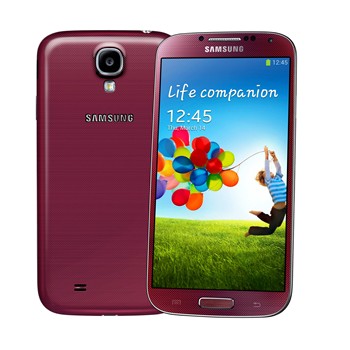
Samsung Galaxy S4 'sells' 10 million units in its first month
There was never any doubt that the Galaxy S4 was going to be a huge hit. When my colleague Joe Wilcox asked BetaNews readers if they were likely to buy the new flagship phone, a whopping 70 percent said you were definitely considering it.
A month after the phone went on sale -- it launched globally on April 27 -- Samsung has taken the unusual step of actually reporting sales numbers, something it hasn’t done in years. According to the South Korean tech manufacturer, the device has shifted 10 million units and is selling at an estimated four units every second, making it the fastest selling smartphone in Samsung’s history.
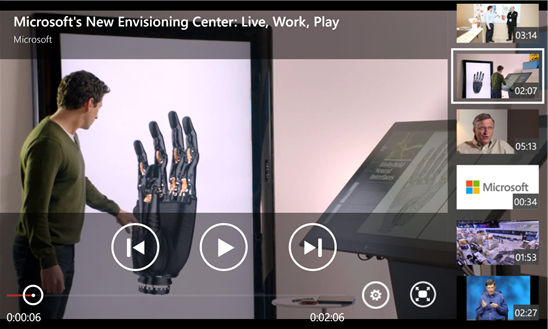
Microsoft caves in, cripples YouTube for Windows Phone 8 with the latest update
On Wednesday, Microsoft rolls out an update for its YouTube Windows Phone 8 app which takes away the ability to download content from the popular video-sharing website. The latest iteration arrives one week after Google sent Microsoft a cease and desist letter, demanding the removal of the app from the Store. The deadline passes today.
Google's grievances regarding the Microsoft-developed YouTube app focus on the removal of playback restrictions "on certain platforms", the lack of ads and the ability to download videos. Microsoft only resolved the third complaint and, despite the rapidly-approaching deadline, the company hints that YouTube will continue to be available to Windows Phone 8 users.

Twitter follows the flock, introduces two-factor authentication
After a number of high-profile account hijacks and criticism from both its users and the tech media, Twitter finally decides to take security seriously. Today, the popular social network introduces two-factor authentication which, when enabled, requires users to type in an additional six-digit passcode received via SMS in order to log in.
Sadly, as I learned, not every user can actually enable the new security feature. Twitter says that folks must have a "verified phone number and confirmed email address", the former of which is still incompatible with my mobile operator: "Sorry, we don't have a connection to your carrier yet!". Other local mobile operators are supported, but not mine.



