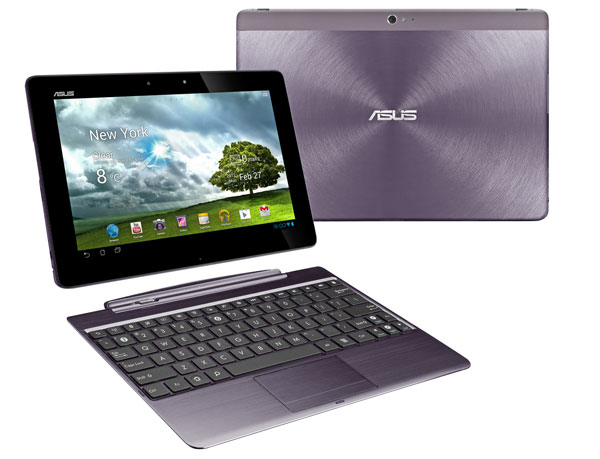
Existential crisis: A tablet with a keyboard dock is just a PC, right?
Post-PC is a lifestyle I do not strive toward and I have very good reasons for that. Yet after buying my Galaxy Nexus, I started toying with the idea that maybe a tablet is not such a bad idea after all. I will not concede to the concept of a tablet being suited for all tasks, yet I can accept it for what it is -- a toy. I have not self-medicated, nor did I happen to change overnight, but there is a logic to my madness.
I am the type of person that gets easily bored by using the same thing over and over again, be it software or hardware, and it would only be a logical step to assume that a new device could put an end to my unconscious --or most likely conscious-- quest to find the perfect anti-boredom device. My needs are rather specific, and I struggle to find the reason why I would rationally want to make the switch to an all-purpose tablet, and there isn't one.

Google, Acer and the joke that is the Open Handset Alliance
Google is the center of a controversy about Acer's cancelled Aliyun OS phone launch, and there is seemingly no end to punditry about the search giant applying pressure, possibly even making threats. At the end of the day the whole mess has very little to do with whether or not Google is tightening its leash or if the issues at hand are all about piracy, as Google Android chief Andy Rubin claims.
Acer openly violated rules set forth by the Open Handset Alliance, and Google made the device manufacturer aware of the consequences. Unfortunately, Google being the one to speak shines a spotlight on a much deeper issue with the Open Handset Alliance.
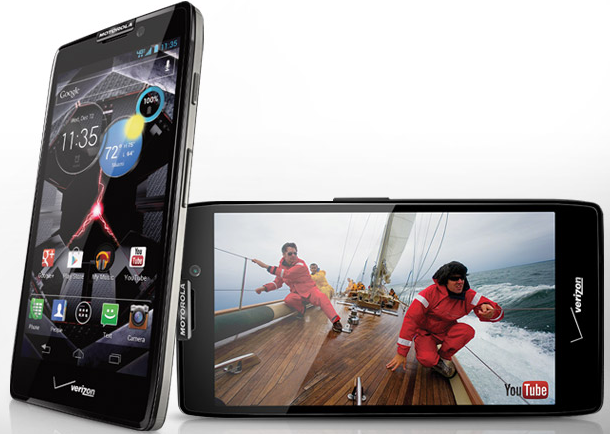
Motorola Droid Razr HD Developer Edition is coming
Motorola recently introduced the new Droid Razr HD family of smartphones, and to top off the recent announcement the Droid Razr HD Developer Edition looks ready to join the group.
What you will get is exactly the same device as the more "common" Droid Razr HD with an unlocked bootloader thrown into the mix. The result? A modding-friendly Motorola smartphone, and if the older Motorola Droid Razr Developer Edition is of any indication there will be no warranty and a hefty price tag.
Android wins the smartphone wars
In October 2009, I explained why "Apple cannot win the smartphone wars". That was just a year after Google launched the first Android handset, the G1, on T-Mobile and days after Verizon debuted the hugely-successful Motorola Droid. By end of that year, Android had paltry 3.9 percent smartphone sales share, according to Gartner. My prediction drew loads of criticism from the Apple Fan Club of bloggers, journalists and other writers.
Fast-forward to second quarter 2012 and Android's global sales share is 64.1 percent for all phones, not just smart ones. iOS: 18.8 percent. My how times change. Increasingly, Android and iOS look exactly like Windows and Mac OS in the 1980s and 1990s, as I predicted would be the case.
Cumulative Android device sales push past iOS for first time
In what can only be described as a turning point for post-PC operating systems, cumulative Android device sales now exceed iOS, and in a shorter time period. Today, during a special media event, Apple reduced the cumulative number of iOS sales to 400 million -- that would be since iPhone's debut in June 2007. But yesterday, Google put Android sales at 500 million, from the G1's launch four years ago this month. The days of iOS' perennial lead are over.
Android has been on the catch-up track for better part of the year. At the end of June cumulative iOS shipments were 410 million, according to Apple. Why CEO Tim Cook put the number at 10 million less today is anyone's guess. Days before the quarter ended, Google put cumulative Android shipments at 400 million. A few months earlier: 365 million and 300 million, respectively. Daily Android activations now total 1.3 million, up from 900,000 in June, according to Google.
I will never buy another laptop
That is the conclusion I reached after several weeks living la vida post-PC. With nothing but my trusty Acer Iconia Tab to work on while waiting for my house sale to close in Florida (see previous post about not needing a smartphone), I've managed to remain productive and connected without touching so much as a byte of "wintel" technology.
Well, maybe a few bytes. There have been the occasional detors off the Android wagon -- for example, when I needed to quickly print, sign and re-scan some legal documents and hijacked my daughter's Dell Inspiron for a few minutes (it was like pulling teeth -- she's quite possessive of her toys). However, for the most part I accomplished everything I needed to from the comfort of my Ice Cream Sandwich-based tablet. And the secret of my success had as much to do with the accessories that I surrounded the tablet with as with the device itself.
CyanogenMod 10 M1 -- first monthly release -- is available
CyanogenMod 10 is one of the most popular Android 4.1 Jelly Bean custom distributions available today, but keeping up with all the nightly releases can be time consuming, which is why the team behind the project announced the rollout of the M-Series build -- releases of CyanogenMod 10 that will be available at the beginning of every month.
CyanogenMod team wants to offer more stable builds on a timely manner, that is a departure from the ever present CM10 nightly builds that can vary in quality from one release to another. A code freeze was announced, blocking new features and focusing instead on stability that is of utmost importance for a build designed to work for a month and be adequate for daily use. They will still be labeled as "experimental" considering that at their core they still come from nightly builds.
Codename Android is the best ROM going [Review]
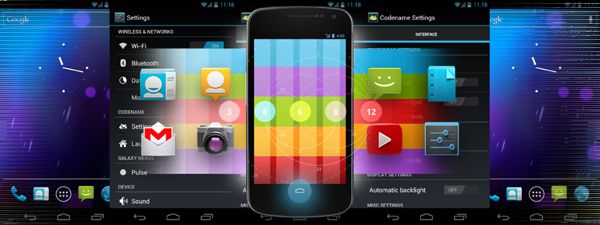
Android custom ROMs are magic. They are an improvement over what some might already call the best mobile operating system in the world right now, Android. That is no small feat when its latest iteration, 4.1 Jelly Bean, is the starting point. How can it get any better? In the world of custom Android distributions one name comes to mind -- Codename Android.
When I got my Samsung Galaxy Nexus the first thing I did was to install Android 4.1 Jelly Bean because I wanted the extra oomph brought by it. Little did I know that even the mighty Jelly Bean will not suffice for someone like me -- curious and always willing to try new things. After about two weeks I got into modding my Galaxy Nexus, finally settling for what I think is the best custom ROM for my Nexus -- Codename Android. I toyed with CyanogenMod 10 and AOKP Jelly Bean, and it wasn't until Codename Android that I finally found the right one. Yummy...
Sprint Samsung Galaxy Nexus gets a dose of Jelly Bean
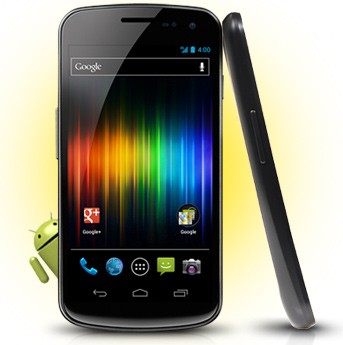
Sprint has (once again) announced the elusive Android 4.1 Jelly Bean is coming to its Samsung Galaxy Nexus variant. But when will you get it is the question. According to a Sprint employee, the update will slowly be rolled-out to the Samsung Galaxy Nexus S as well and it should take "little over a week" for all Nexus S owners to receive Jelly Bean.
Sprint surpassed Verizon in the "race" to deliver Android 4.1 that was nowhere to be seen on the LTE models at least until Sprint announced it. Sprint is rolling out Android 4.1.1 Jelly Bean JRO03R, with a newer build number than the factory images posted by Google on its Developers page.
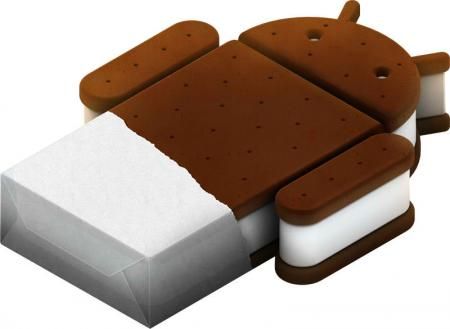
Ice Cream Sandwich distribution tops 20 percent
What's the most popular sweet in the Android universe? It's not Jelly Bean, or even Ice Cream Sandwich, based on the number of devices accessing Google Play during the 14 days ending September 4. Gingerbread has the largest share on devices. Again.
Capitalizing on the number of Samsung Galaxy Nexus smartphones and Google Nexus 7 tablets, Android 4.1 Jelly Bean manages to reach a 1.2-percent Android distribution. The number pales in comparison to its older siblings, but represents a 50-percent increase of 0.4 percentage points from a month earlier when the OS reached just 0.8 percent of Android devices.
Android 4 dulls Droid RAZR's edge
I expect better from Google than this. Its Motorola Mobility subsidiary today announced three seemingly sizzling new Droids coming to Verizon, but they're not running the current operating system but instead will be "upgradeable to Android 4.1 Jelly Bean by end of 2012". We've heard promises like this before on Verizon "with Google" devices. Just ask Galaxy Nexus or XOOM 4G LTE owners about the broken upgrade promises and the long wait for, well, nothing.
Google officially released Jelly Bean in mid-July, when Galaxy Nexus HSPA+ models automatically upgraded, but CDMA models available from Sprint and Verizon did not. Hell, users still clamored to get from Android 4.0.2 to 4.0.4 on Verizon models and couldn't. C`mon, Google, you own Motorola now and should be able to do better. If Verizon is the problem, fix it! Droid users deserve some respect, and you owe them and Verizon, too. Because if not for Droid, the green robot might not be nearly as popular today. Hat tip goes to Apple, too, for helping Android along (next paragraph explains why).
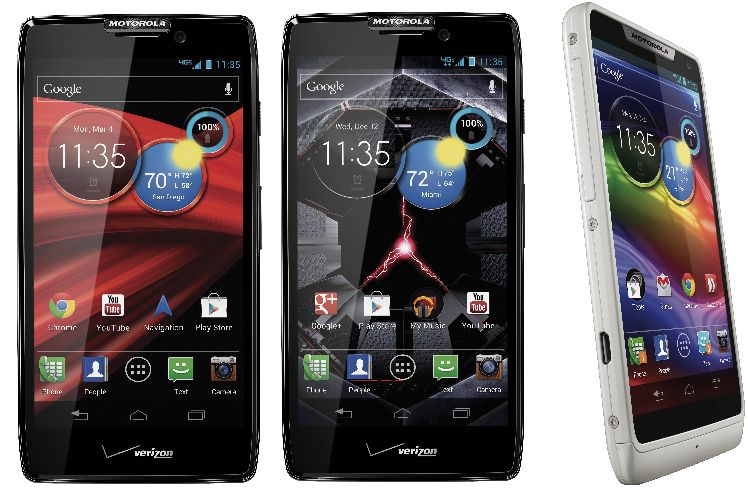
Motorola: Big batteries, skinny phones, and $100 back if you don't get Jelly Bean
Motorola Mobility on Wednesday afternoon unveiled three new devices in its Droid Razr family of Android smartphones: the Droid Razr HD, Droid Razr Maxx HD, and Droid Razr M. With these new devices, Motorola continues the very straightforward approach to Android devices began early this year: offer physically skinnier devices with better battery life.
The Droid Razr HD has a 4.7" Super AMOLED display, a 1.5 GHz dual-core processor with 1GB of RAM, Verizon 4G LTE/3G WCDMA connectivity, an 8 megapixel camera and 1.3 megapixel forward-facing chat cam, 12GB of onboard storage and a 2530 mAh battery.
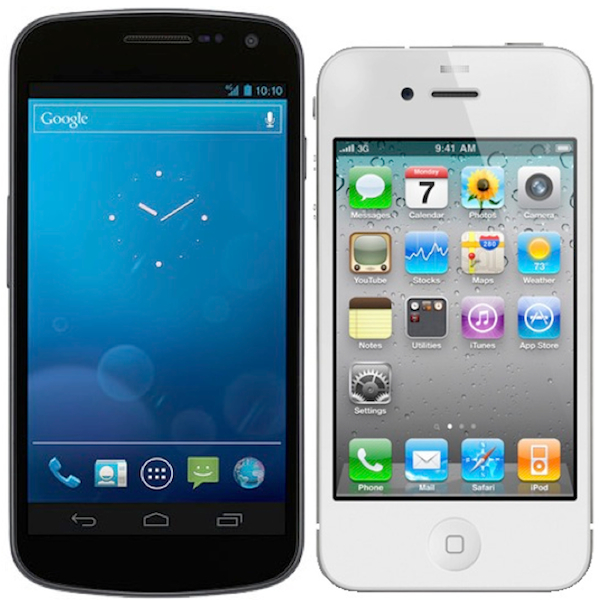
Android and iOS shut out Windows Phone, BlackBerry
For the three months ending in July, Android and iOS combined US smartphone subscriber share reached 85.6 percent, according to comScore. That's 3.4 percentage points higher than April. Meanwhile, Research in Motion and Microsoft mobile platforms receded to 9.5 percent and 3.6 percent share from 11.6 percent and 4 percent, respectively. While comScore combines defunct Windows Mobile and Windows Phone, we henceforth refer to both using the latter name.
The smartphone market clearly consolidates around Android and iOS, leaving even less share for Windows Phone or BlackBerry. Android and iOS will soon face the new batch of Windows Phone 8 handsets, including the Nokia Lumia 920 announced today. However, as it stands now, Microsoft's mobile operating system has plenty of ground to cover to even count as a worthy adversary to the two major platforms.
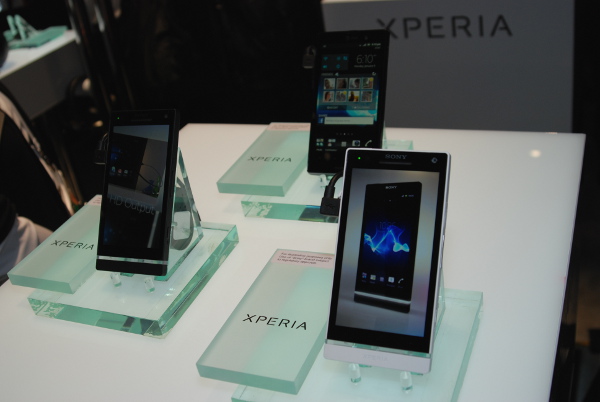
Sony gets behind the Android Open Source Project for Xperia S
The Sony Xperia S smartphone comes with Sony's Timescape UX by default. Now, Sony has pledged to support a third-party project to port "stock" Android to the device.
In August, Android Open Source Project (AOSP) Technical Lead Jean-Baptiste Queru started a new experiment to port the vanilla version of Android to the Sony Xperia S, Sony's first post-Ericsson smartphone. Yesterday, the Japanese smartphone manufacturer announced its support for Queru's experiment by publishing the binaries for the Xperia S via the Sony Developer page.
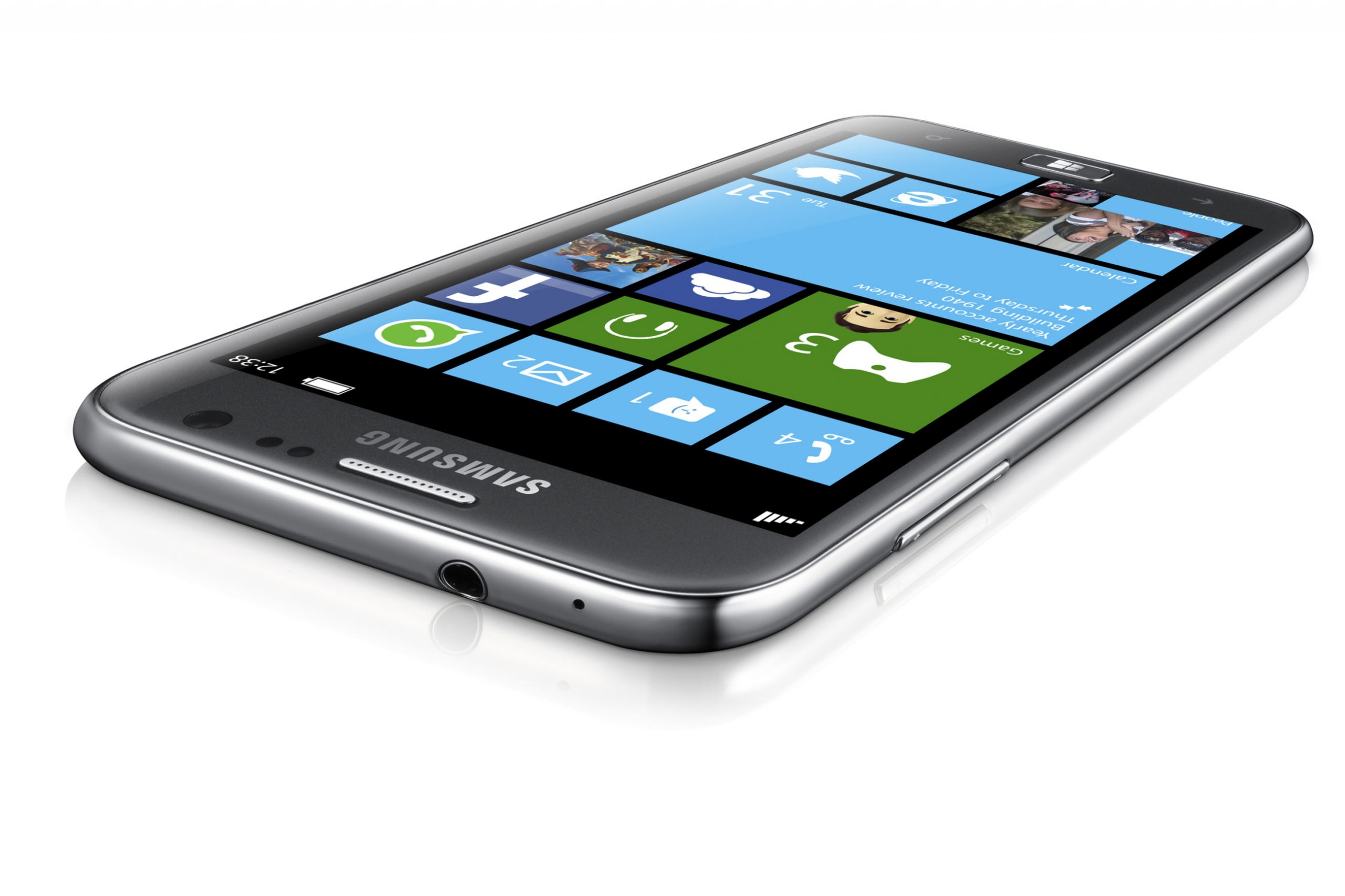
Windows Phone 8 is the best idea Microsoft has had in phone tech
Samsung's recently-announced Windows Phone 8 smartphone, the ATIV is oozing with power and modernity, and that is what the Windows Phone software needs to finally become a dominant platform.
A platform needs flagship devices --smartphones and tablets-- to showcase what it can do in front of (possibly) billions of people, and hardware-wise it doesn't get any better than Android and iOS devices displaying their inner strength, their performance. Android takes first place and iOS second in the smartphone charts, and they have halo devices to represent them. Windows Phone, meanwhile, has been a mere shadow behind the two flexing their muscles. The Samsung Galaxy S III best represents Android as much as the iPhone 4S best represents iOS, but what does Windows Phone 7.5 have to show? A single-core CPU with 512MB of RAM and a GPU that was news a few years ago? That doesn't cut it...