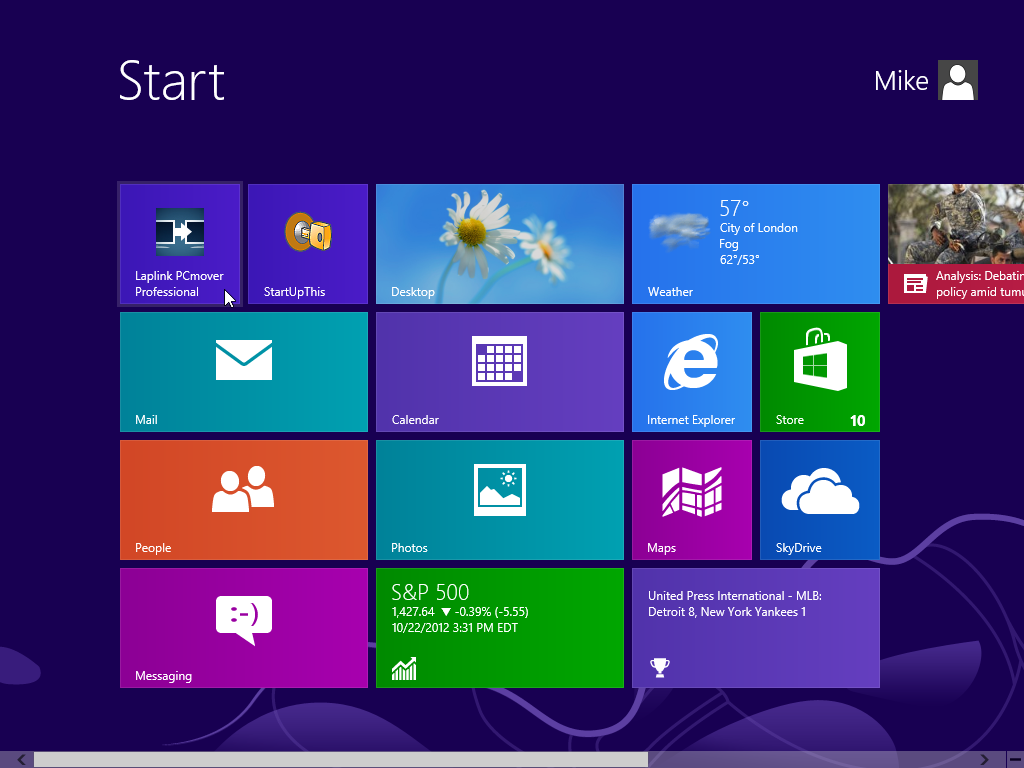
Today is last chance to get Windows 8 Pro cheap, tomorrow prices rise 400%
Last day. Windows 8 Pro is $39.99 direct download from Microsoft Store online, or $69.99 for box with DVD. Tomorrow you'll pay $199.99. That's a 400 percent price increase. If you purchased a Windows 7 PC between June 2 and today, you are entitled to the OS for a mere $14.99 and have until the end of February to redeem the upgrade.
Windows Media Center add-on is free today, $9.99 tomorrow. In other words January 31 can be summed up using a phrase that should ring familiar to Microsoft -- Zero Day.
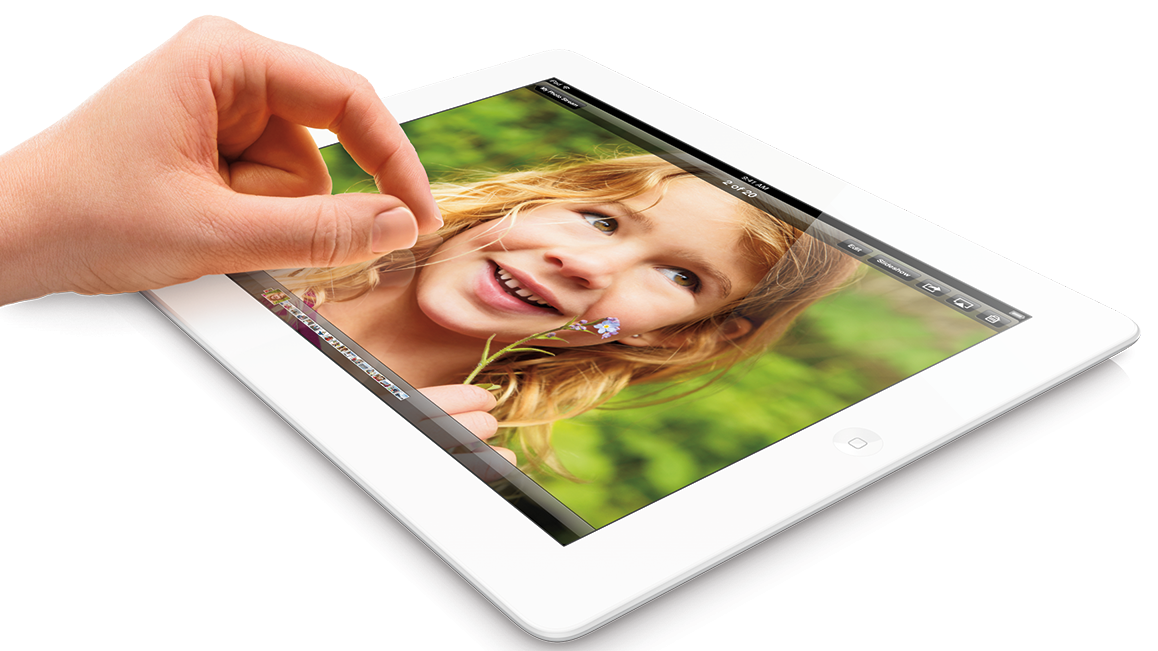
Apple's idea of innovation is premium-priced iPad?
Yesterday morning, when I rolled out of bed (West Coast time) and saw colleague Wayne Williams' headline on 128GB iPad, I thought: "Well, good for Apple! This should bring down the price and raise storage capacity of other models". But the details wiped away all enthusiasm. This thing sells for as much as $929. What the frak? Who will pay that much for a tablet in a market pining for considerably lower prices, like $199?
Apple's idea of innovation is to double storage and charge considerably more for it. Perhaps CEO Tim Cook and company read too many blogs about supposedly overpriced Microsoft Surface Pro, which iPad gangbangers insist competes with the fruit-logo tablet. Not so -- Microsoft priced against Windows ultrabooks and MacBook Air. But based on that faulty comparison, Apple can claim bragging rights. The new iPad ships February 5, four days before Surface Pro -- that's no coincidence -- and by comparison for less but with more. With 128GB storage, Microsoft's slate is $999, while the other isn't just $70 less but packs 4G LTE radio, too. Reasonable comparisons stop there, and no one should be fooled, although many will be.
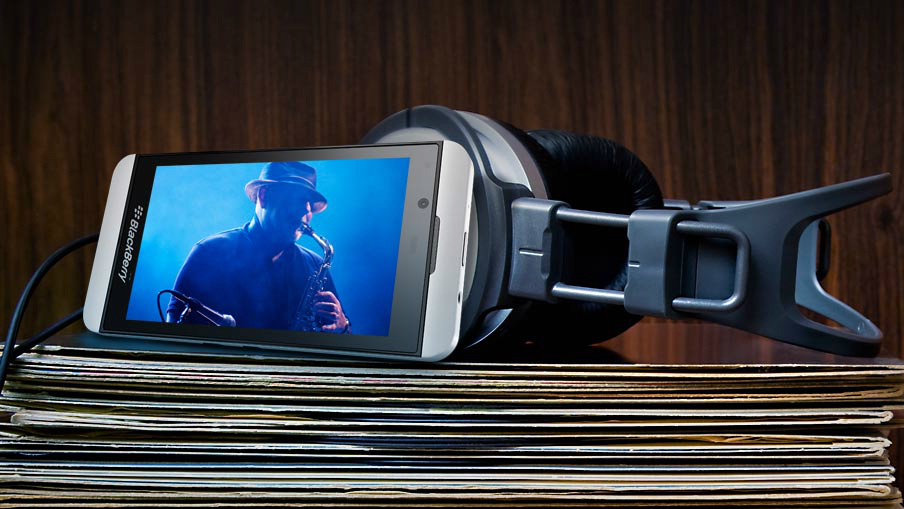
Will you buy the BlackBerry Z10?
Today, the company formally known as Research in Motion, unveiled the BlackBerry 10 platform, and first two supporting devices -- the touchscreen Z10 and physical keyboard-packing Q10. The new products are quite literally a corporate relaunch, which includes ditching moniker RIM for BlackBerry.
While the Z10 and Q10 are officially launched, BlackBerry provides little information on the keyboard phone, while plenty on the other. The screen is smaller (3.1 inches versus 4.1 inches) and the battery is larger (but BlackBerry doesn't say by how much). So for today, I'll stick with what we know something about, and that's the Z10.
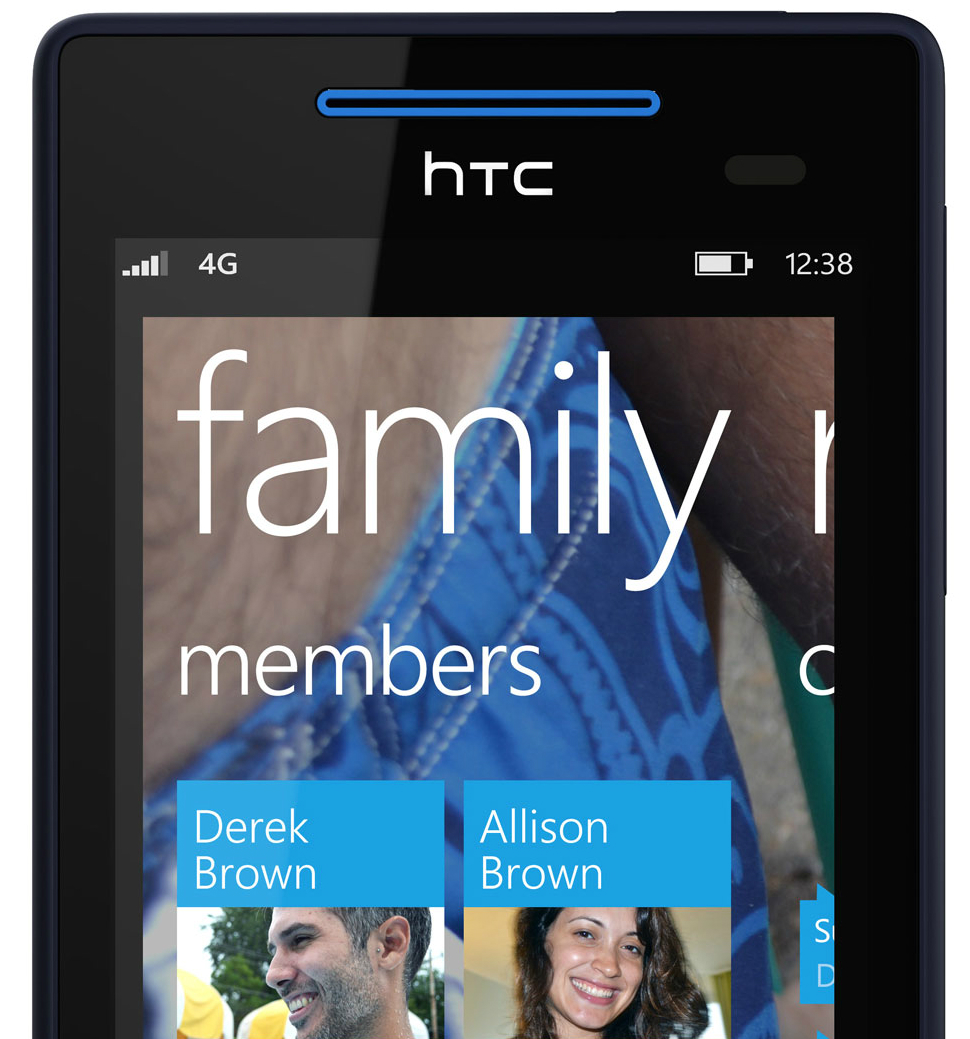
Google extends Exchange ActiveSync support for Windows Phone
In mid-December, as part of the "Winter cleaning" operation, Google announced plans to drop support for Exchange ActiveSync effective January 31. Microsoft condemned the decision, and quite vigorously.
Matters are changed. Windows Phone users will get a six-month reprieve, until July 31, to give Microsoft time to adapt. "The Windows Phone team is building support into our software for the new sync protocols Google is using for calendar and contacts -- CalDAV and CardDAV", Microsoft's Michael Stroh says. The company also will use IMAP for push support in order to fully replace EAS' functionality.
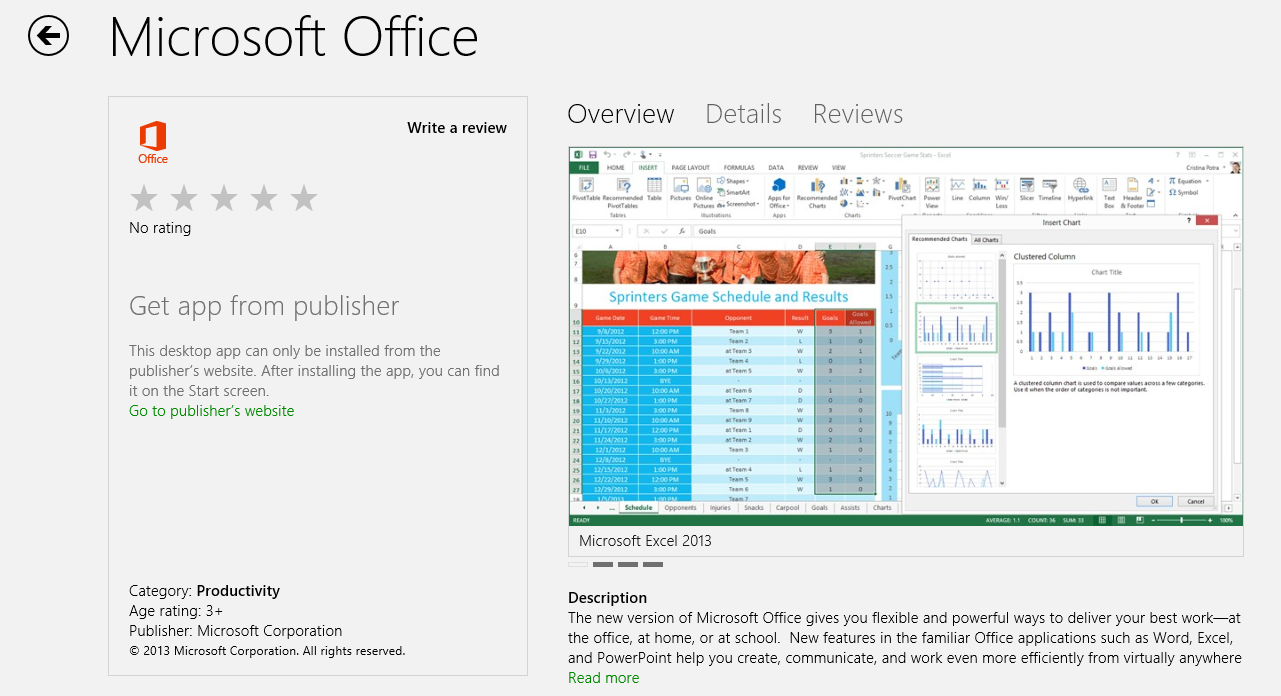
Office 2013 and 365 make inauspicious Windows Store debuts
In case you have not yet had your fill of Microsoft Office news then here is one more tidbit for you. The productivity suite, which launched yesterday, is now available in the Windows Store, which is really the Windows 8 Store, since it is not available on any other platform. Before you get too excited, let me temper your enthusiasm.
Yes, we already knew there was not going to be a "Modern UI" version of the latest Office -- known collectively, and confusingly, as Office 2013/Office 365/Office 15. Still, the debut in the Windows Store strikes one as an especially lame attempt. You see, FINDING the app in the store, does not mean you can GET it in the store.
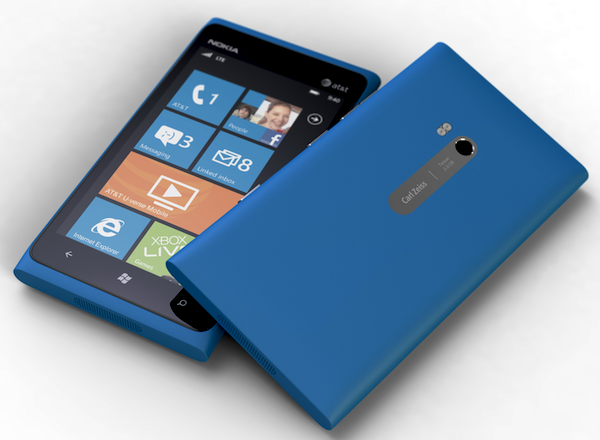
Windows Phone 7.8 arrives, check your device NOW!
If you're one of the many jilted Windows Phone 7.5 users, your day has come. Version 7.8 is rolling out to Nokia phones as I write. "Notifications will begin to appear for Nokia Lumia 510, 610, 710, 800 and 900 owners with an unlocked phone or operator approved software during February", company spokesperson Boc Ly says. "Simply connect your phone to your computer via Zune for PC, or the Windows Phone app for Mac, and follow the onscreen instructions".
The update is long overdue, and in many ways unsatisfactory. For example, Nokia Lumia 900 debuted on U.S. carriers in March 2011. Three months later, Microsoft announced Windows Phone 8 with a bombshell: None of the current devices would support the OS. None. Those phones would get Windows 7.8, which lacks many of the features that make 8 great, by comparison. In the annals of dumb product development moves, I have to rank this one highly. Loyal customers rush to a new platform only to be dissed for it -- and people wonder about Windows Phone's slow start?
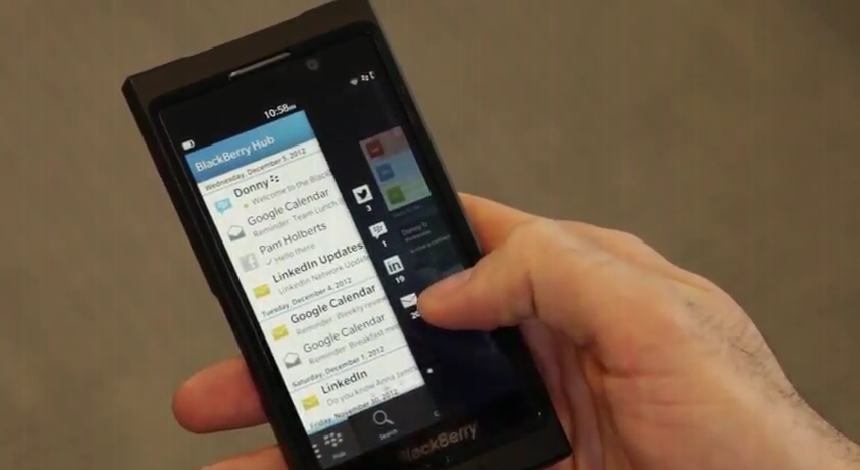
They're here! BlackBerry 10, Q10 and Z10 smartphones
Today is the big day -- Research in Motion finally took the wraps off BlackBerry 10 and two new smartphones. The Waterloo, Ontario, Canada-based company, which new name is same as the device, bleeds market share to Androids and iPhone. During fourth quarter, BlackBerry fell out of the top-5 smartphone makers, as measured by shipment share, according to IDC. The latest operating system and new handsets might just well be the last chance to regain lost ground.
CEO Thorsten Heins officially launched the much-anticipated platform during BlackBerry World. The BlackBerry Z10 comes with a 4.2-inch touchscreen display and 356 pixels per inch, whereas the BlackBerry Q10 sticks to a traditional layout featuring a physical keyboard. According to Heins, both the on-screen as well as physical keyboard provide the best mobile typing experience, but more on the two after the break.

YouMail unveils Business Edition premium service for demanding users
On Wednesday, popular cloud-based voicemail provider YouMail unveiled a new premium service aimed at businesses and professionals. Dubbed Business Edition, it comes with a host of exclusive features ranging from more customizable greetings to the removal of in-app ads.
YouMail Business Edition runs for $6.99 per user, per month, and builds atop of the currently available functionality. Subscribers can choose to implement "smart business greetings" which can accommodate the user's full name and company, as well as other information.
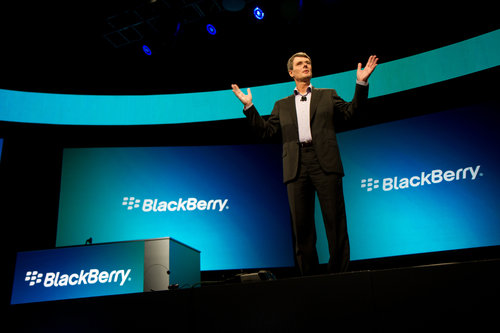
Brilliant! RIM's name is now BlackBerry
Maybe one head really is better than two. Today during the BlackBerry World keynote, Research in Motion CEO Thorsten Heins made a startling, and quite unexpected, announcement. There's a new name, adopted from the flagship product -- BlackBerry.
Heins replaced co-CEOs Mike Lazaridis and Jim Balsillie a year-ago this month, promising to aright the badly listing RIM. Today, BlackBerry 10 operating system and new devices officially launch, as Heins seeks to deliver on the promise. Apparently, the name change is part of that.
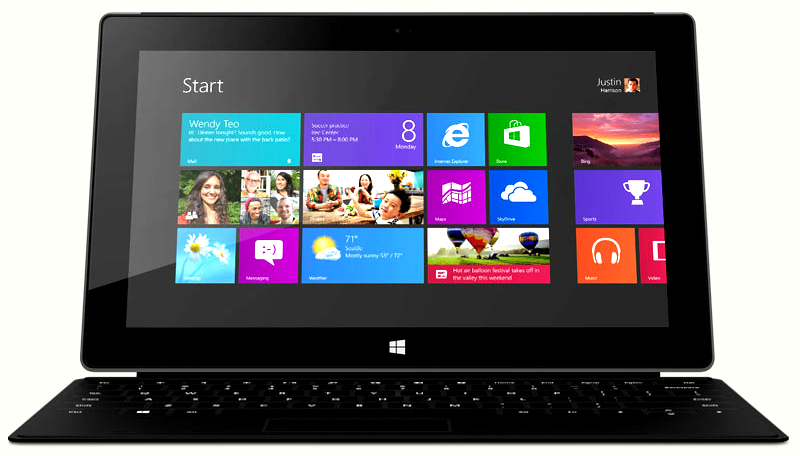
Microsoft Surface Pro has a BIG storage problem
Microsoft is no stranger to controversy, even attracting negative attention when it comes to the advertised storage of its own Surface tablet lineup. The interwebs buzzed after the company admitted the shortcomings of Surface RT, which only comes with 16GB of user-accessible storage in 32GB trim, and now the same issue is raising its head all over again with Surface Pro, just days before the big launch.
As most knowledgeable Windows users will concede, Microsoft's latest consumer operating system does take up quite a bit of storage space due to its fully-fledged nature. For example, on my personal computer running Windows 8 Pro 64-bit, the "Windows" folder by itself uses just over 16GB. So it's not overly difficult to imagine Windows 8 Pro will take up a lot of Surface Pro's free space. Of course this is something that educated pundits surely know (or at least they should).
Export PDFs in a range of different formats with PDFMate PDF Converter
Adobe’s PDF is a great format for sharing information with others, and normally you might go to considerable effort to export a particular file as a PDF document.
Occasionally, though, you might have an existing PDF file which you’d really prefer to be in another format: HTML, plain text, images, whatever it might be. That’s when a PDF conversion tool comes in handy, and the free PDFMate PDF Converter -- which claims to export your documents to EPUB, TXT, HTML, SWF and image formats, amongst others -- just might be able to help.
The new Office has launched -- let the advertising blitz begin
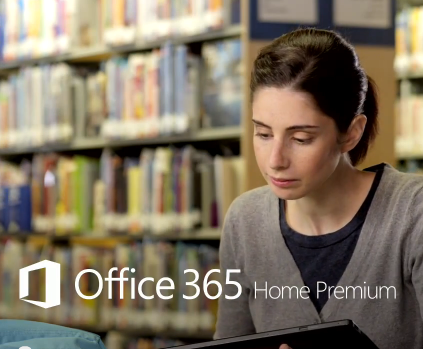
We spent a lot of time dissecting Microsoft's Office launch yesterday and one thing was clear. The software giant wants you to move away from the desktop and into the cloud with Office 365 Home Premium. Something which I for one do not think is a bad idea. To prove where its priorities lie, Microsoft has unveiled its very first video ad for the new suites and predictably it's all about Office 365.
The 30-second length of the clip indicates that it is likely headed for TV, although I personally have not seen it there yet. It does nothing to show customers the actual apps like Word, Excel, and the rest. Instead it focuses on more of the Metro Modern UI aspects, and the suite's ability to be available for users at all times, wherever they are.
Get better security and stability with Opera 12.13 FINAL
Norwegian browser developer Opera has announced its first release of 2013. Opera 12.13 FINAL is a security and stability release with a couple of notable bug fixes. The release, also available as a separate 64-bit build for Windows 64-bit users, comes just 48 hours after Opera 12.13 RC2 was released for public testing.
Bug fixes include a resolution that saw no webpages being loaded on startup if Opera is disconnected from the internet, plus one that led to internal communication errors appearing on Facebook.

Judge rules Samsung did not ‘willfully’ infringe Apple’s patents
On 24 August 2012, after a thirteen day trial and three full days of deliberation, a California jury found Samsung guilty of infringing on several Apple patents and awarded the American company $1.05 billion in damages. The jury also found that Samsung had willfully stolen design elements from Apple, a damning finding which could have seen the amount of damages significantly increased.
Fortunately for Samsung, following post-trial hearings held over the past few months, US District Court Judge Lucy Koh last night issued a ruling overturning the jury’s willful infringement finding, a move which prevents Apple from being able to seek additional damages.

These are the good old days
Yesterday was my 60th birthday. When I came to Silicon Valley I was 24. It feels at times like my adult life has paralleled the growth and maturation of the Valley. When I came here there were still orchards. You could buy cherries, fresh from the fields, right on El Camino Real in Sunnyvale. Apricot orchards surrounded Reid-Hillview Airport in San Jose, where I flew in those early days because hangars were already too expensive in Palo Alto. My first Palo Alto apartment rented for $142 per month, and I bought my first house there for $47,000. I first met Intel co-founder Bob Noyce when we were both standing in line at Wells Fargo Bank.
Those days are gone. But that is not to say that these days are worse.