

Instagrammers, you can now use only the browser (almost)
It was bound to happen at one point or another. Following the rolling out of web profiles in early November, Instagram now allows users to skip smartphones and go straight to the browser for all their filtered picture feed needs.
This latest development is part of a plan to bring Instagram to a larger variety of devices, including PCs and tablets, a move that will undoubtedly help support the social network's growth and popularity among a bigger crowd. Instagrammers only have to visit the popular social network's website, press the log in button and enter their account information to start using Instagram inside a browser, without any encumbrance.
Microsoft attempts to woo developers with modern.ie
Microsoft has started paying much closer attention to Internet Explorer recently. The company pushed out both IE9 and IE10 in fast succession and has been trying to entice back past users with its retro ad and The Browser You Loved To Hate campaign.
Now it wants to try and lure developers to the platform and has rolled out modern.ie, a new service to help make sure websites display as they should. The .ie extension, in case you are wondering, is Ireland's top-level domain.

Get better security and stability with Opera 12.13 FINAL
Norwegian browser developer Opera has announced its first release of 2013. Opera 12.13 FINAL is a security and stability release with a couple of notable bug fixes. The release, also available as a separate 64-bit build for Windows 64-bit users, comes just 48 hours after Opera 12.13 RC2 was released for public testing.
Bug fixes include a resolution that saw no webpages being loaded on startup if Opera is disconnected from the internet, plus one that led to internal communication errors appearing on Facebook.
Microsoft plays the nostalgia card to tempt past users back to Internet Explorer
I remember clearly where I was the day Internet Explorer launched. It was 16 August 1995 and I was sitting in a room full of tech writers watching Bill Gates show off Microsoft’s new browser. And I recall thinking, "why would anyone want to use anything other than Netscape Navigator?"
I remember clearly, some years later, wondering why anyone would want to use a browser that wasn’t Internet Explorer when I first heard about Firebird (which later became Firefox), and then wondering a few years after that why anyone would want to use a browser that wasn’t Firefox when Chrome launched. Times, loyalties and browsers all change, and Microsoft is hoping to use nostalgia to persuade people who "grew up" with IE to give the browser another chance.

Waterfox 18.0.1 brings the power of Firefox 18 to 64-bit Windows
After a gap of nearly three months, Waterfox 18.0.1 has been released, bringing the Firefox variant for 64-bit versions of Windows bang up to date. Its return is welcome news considering Mozilla recently dropped its own 64-bit Windows build from the Nightly codebase, and allows
The delay in releasing Waterfox -- also available as a portable build -- has been attributed to major bugs in the Intel C++ compiler, which is used by developer Alex K to produce Waterfox from the Firefox source code.

Amazon launches a dedicated MP3 store for iPhone users
Amazon has created a mobile MP3 store optimized specifically for use on iPhones and iPod touches. Built on HTML5, the new store lets users browse the 22 million strong MP3 catalog, and buy tracks directly.
"Since the launch of the Amazon Cloud Player app for iPhone and iPod touch, a top request from customers has been the ability to buy music from Amazon right from their devices," Steve Boom, Vice President of Amazon Music said. "For the first time ever, iOS users have a way do that -- now they can access Amazon’s huge catalog of music, features like personalized recommendations, deals like albums for $5, songs for $0.69, and they can buy their music once and use it everywhere".

Pale Moon 15.4 comes with eight specific fixes
Moonchild Productions has released Pale Moon 15.4 and Pale Moon x64 15.4 for Windows, a maintenance and security release for its Firefox variant. As the version number implies, Pale Moon 15.4 is based on the Gecko 15 engine used in Firefox 15, with the developer openly making no attempt to keep up with Mozilla’s six-week development cycle in favour of polishing and securing the older browser engine.
Version 15.4 adds no new features, but includes a number of security updates and bug fixes that make Pale Moon as secure as the latest version of Firefox, currently at 18.0.
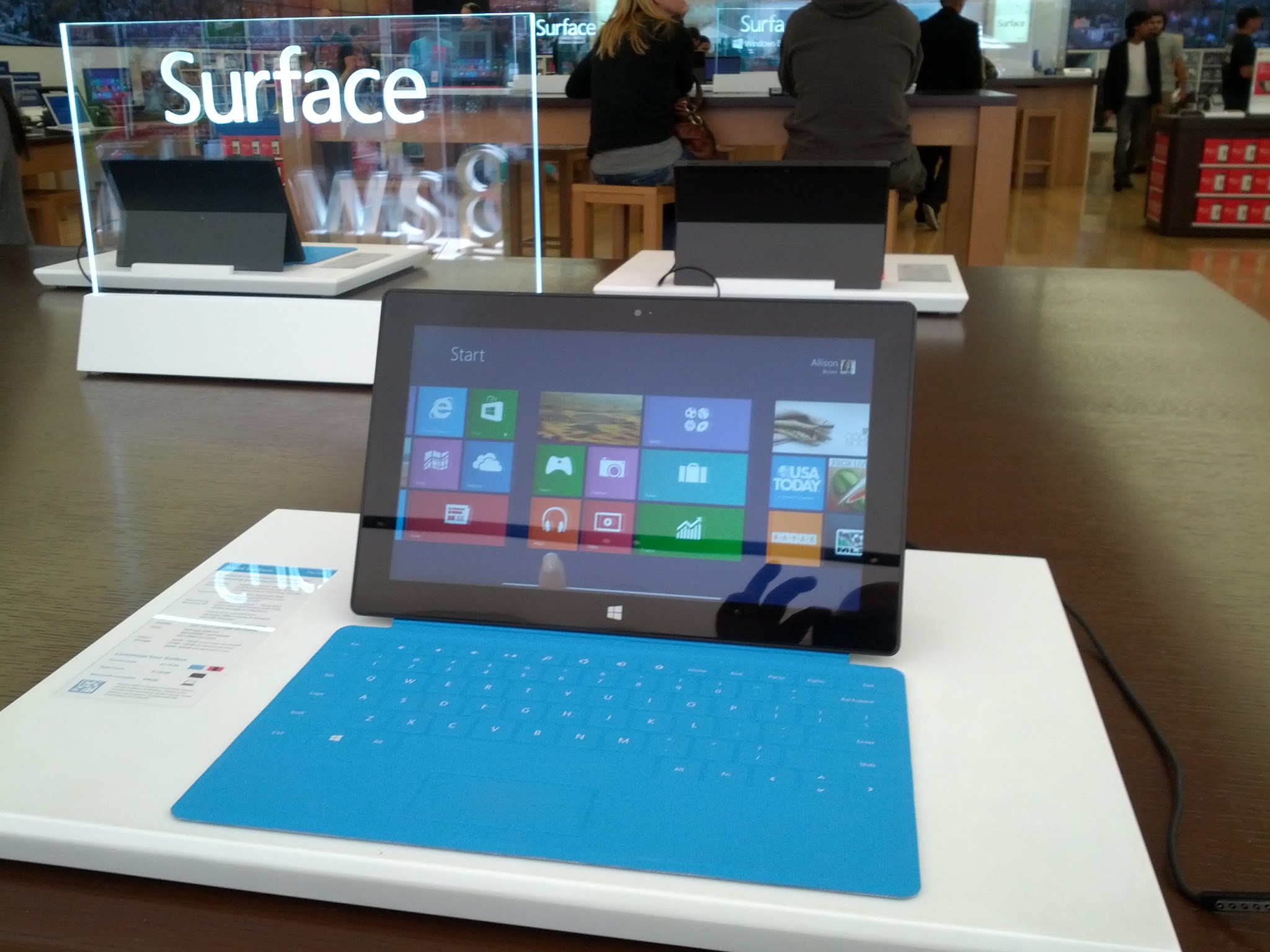
Use Windows RT Flash Player Tool to add more websites to IE10's whitelist
Even though the perennial platform has passed its peak and is slowly replaced by more modern standards, Microsoft actively supports Flash in Internet Explorer 10 for Windows 8/RT. The browser can display Flash content, albeit on a limited number of websites. For those people who wish to enable it in non-supported locations, the Windows RT Flash Player Tool comes to the rescue without having to manually edit the whitelist.
Windows RT Flash Player Tool is designed for the Modern UI version of Internet Explorer 10 found in Windows 8 and Windows RT as well as the desktop variant for the tablet operating system. The tool, a BAT file with the necessary commands to automate the process on behalf of the user, goes about its business of enabling Flash support on non-supported websites by modifying the included whitelist that comprises of only Microsoft-approved entries by default.
Chrome 25 makes extensions get your permission
Google has released Chrome 25 to the beta channel for Windows, Mac, and Linux, and while the previous release wasn’t too surprising this one has some particularly important changes.
Perhaps the most significant will see external extension deployment disabled by default, which means if you install an application on your Windows system, for instance, the author will no longer be able to silently add a Chrome extension as well just by manipulating the Registry. They’ll normally have to ask your permission to install any add-ons within Chrome itself.

Microsoft releases out-of-cycle patch for Internet Explorer
Patch Tuesday came and went last week without Microsoft addressing a glaring error -- a zero-day flaw in Internet Explorer versions 6 through 8 that attackers use to gain control of a computer. The defect did not affect IE versions 9 and 10, which have been called more secure by some experts.
Now the company is rolling out an uncharacteristic out-of-cycle patch to fix the bug. This follows a manual fix the company released earlier to help users of these legacy browsers protect themselves from attack.

Java 7 update 11 security patch fixes nothing
Oracle has issued an emergency fix for its cross-platform Java software. Java 7 update 11 for Windows, Mac and Linux, and Java 7 Update 11 64-bit for 64-bit versions of Windows and Linux, aims to plug a number of alarming security holes that were being used for phishing attacks and other crimeware.
While update 11 should be considered an essential update for all Java users, researchers have warned that the new build is little more than a sticking plaster for the problem, and recommend users actually disable Java from running inside web browsers.
Google releases Chrome 24 -- get it NOW!
Google has released Chrome 24 to the stable channel for Windows, the Mac and Linux. And while there are no major additions this time around, the build still has enough to make for a worthwhile upgrade.
There’s the usual focus on performance, for instance. When the Chrome 24 beta appeared the development team claimed a 26.3-percent improvement in JavaScript performance over the last year, and the latest release includes yet more optimizations. No need to take their word for it, though: run Chrome’s Octane benchmark before and after upgrading, see for yourself.

Firefox 18 promises faster page loading, Retina display support
Mozilla has launched Firefox 18.0 FINAL, the latest stable build of its open-source, cross-platform web browser. Version 18 debuts a new, faster JavaScript engine to improve page loading times by up to 26 per cent over the previous version. Mac users will also be pleased to learn that version 18 finally includes full Retina-display support on Macs running OS X 10.7 (Lion) or later.
At the same time, Mozilla is readying the final release of Thunderbird 18, a minor update to its email messaging tool. The most notable new feature here will be support for zoom in the compose window.

Developers, developers, developers! Mozilla announces Firefox OS App Days
Firefox OS is coming this year and we have already seen some early previews. In order to hit the ground running these days any operating system, be it desktop or mobile, needs a healthy app ecosystem. To that end, Mozilla today announced "App Days", a series of events around the world that are designed to get developers excited and moving for this upcoming release.
In the announcement, Mozilla's Mark Coggins explains that at "each App Day event, you’ll have the opportunity to learn, hack and celebrate Firefox OS, Mozilla’s open source operating system for the mobile web. Technologists and developers from Mozilla will present tools and technology built to extend and support the Web platform, including mobile Web APIs to access device hardware features such as the accelerometer".
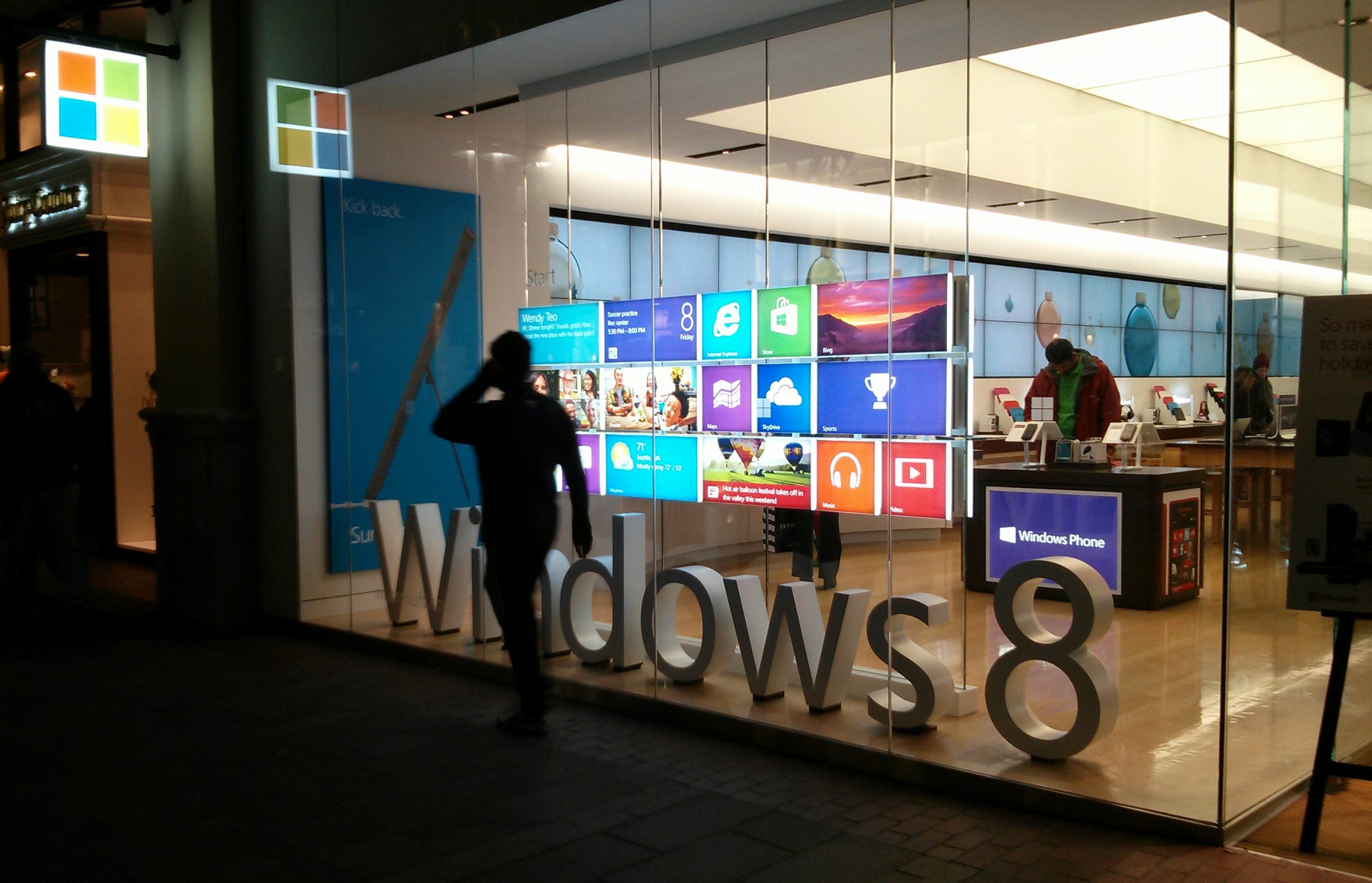
Stupid bloggers misstate Windows 8 market share
Yesterday, Net Applications released usage share data for December, although the number is widely reported today as being market share. It's not. Already, several blogs pulled out Windows 8 and Internet Explorer 10 stats, and their writers and story commenters draw conclusions about the operating system's early adoption. They're wrong to do so, and you'd be wise not to believe them.
NetApps culls its data from browser usage, which often isn't synonymous with operating systems. High usage of one browser can skew the data, which it does for mobile operating systems. For example, the data shows that in December, iOS mobile OS share (on phones and tablets) was 60.56 percent compared to Android's 22.1 percent. But, whoa, the numbers are similar for the Apple and Android browsers -- 60.13 percent and 24.6 percent, respectively. A quick read of NetApps mobile OS share suggests iOS is more than twice Android. That's not the case based on data from Apple, Google and analyst firms like comscore, Gartner, IDC and IHS iSuppli.



