
Google CEO Larry Page's memo about Android leadership changes
This afternoon, in a rather shocking and unexpected move, father of Android Andy Rubin stepped down -- or was forced to -- in a leadership change sure to shift the direction of Google platform development. Sundar Pichai, senior vice president for Chrome and Apps, assumes responsibilities for Android.
Larry Page broke the news, offering praise alongside Google cofounder Sergey Brin for Rubin's enormous contribution. The follow memo follows.
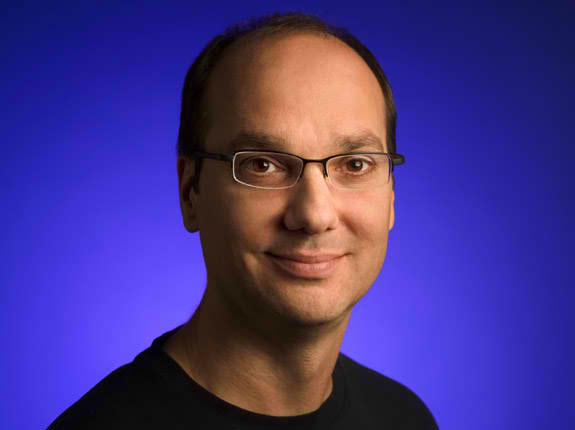
Andy Rubin steps down as Google Android chief
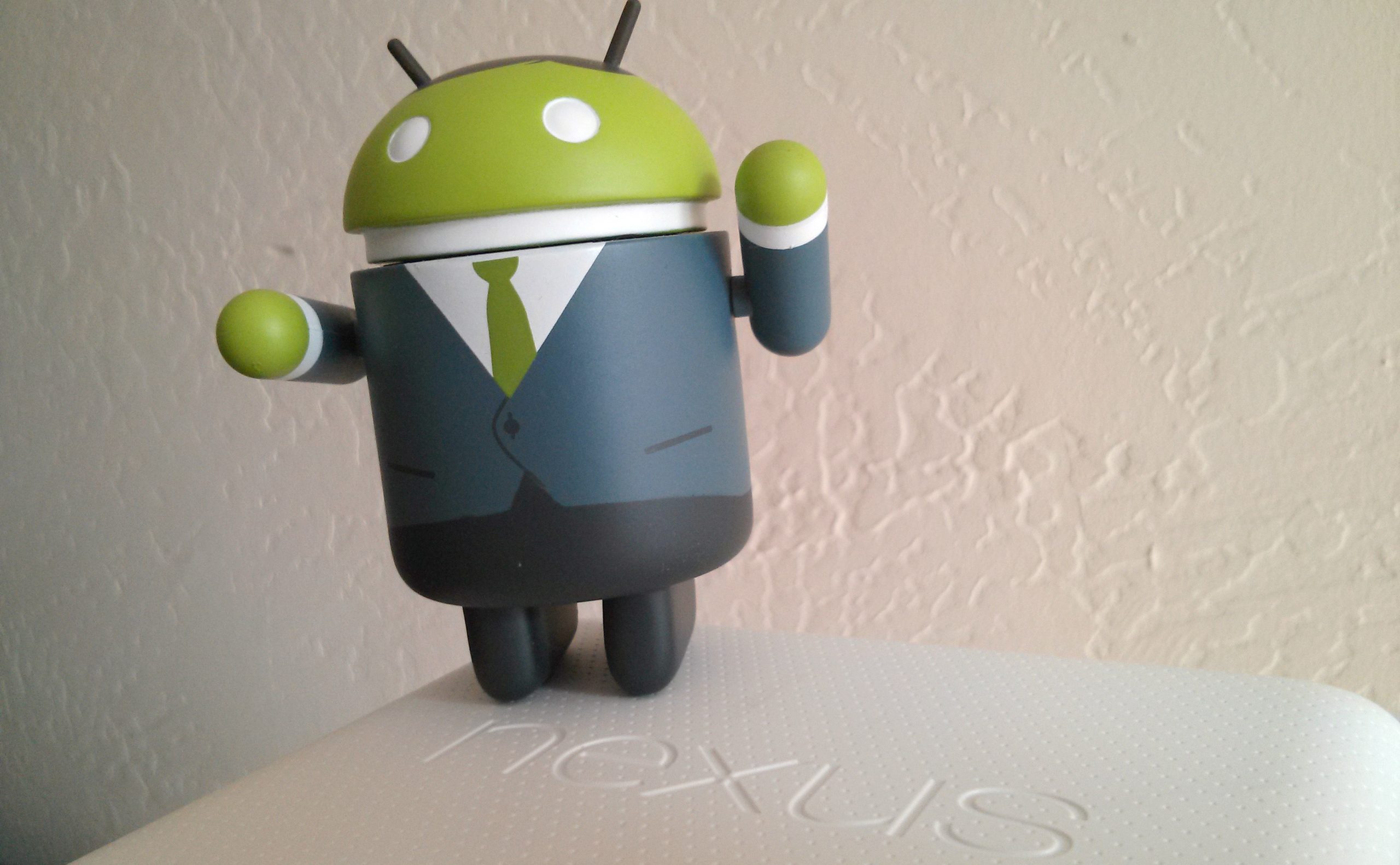
"Holy crap!" That was my response to colleague Alan Buckingham, when he informed me that Andy Rubin would no longer lead Android development. He's the father of Android! But green robot parent no more. The news is simply shocking and hints of some back-room drama and possible disagreement about future Google platform development. I say that because Sundar Pichai, the man behind Chrome OS, adds Android to his responsibilities.
For some time, Android and Chrome OS users -- me among them -- have posed quandary: "Why support two operating systems?" Google should bring together Android and Chrome OS. I wouldn't be surprised if that is the go-forward edict from Google on High, perhaps something Rubin wouldn't support. Yes, I speculate, but the man is passionate about his child, which Google acquired in 2005.
Finally, Netflix U.S. gets social with Facebook sharing
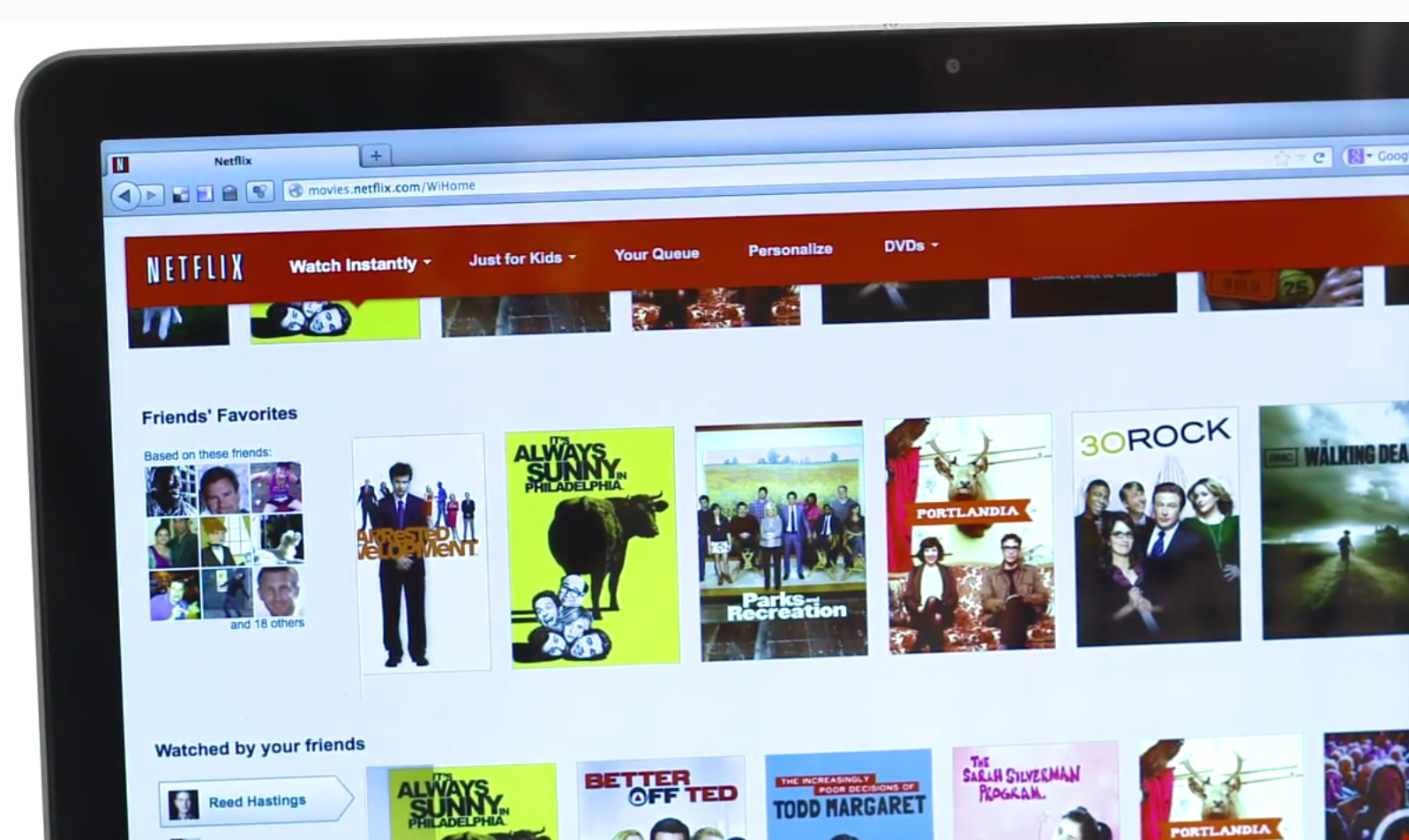
Netflix, the popular DVD-by-mail and internet streaming service, today announced that it is bringing social sharing to your video experience with new Facebook integration -- a feature previously available elsewhere, but prevented here by U.S. law. Now you can no longer pretend to your friends that you really didn't watch that sappy love story last night.
Netflix's Cameron Johnson, director of product innovation, states that "Netflix members in the U.S. can share their favorite shows and movies on Netflix with friends by connecting to Facebook and agreeing to share".
Amazon cuts Kindle Fire HD prices by as much as $100
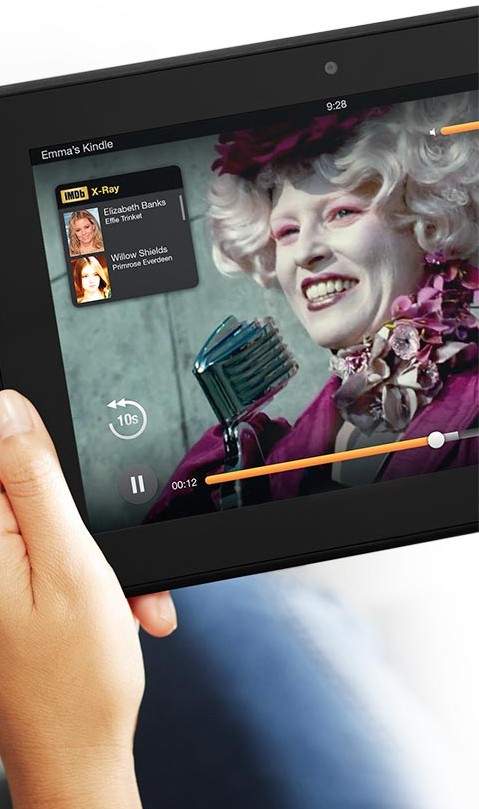
For tablets, 2013 is the year of small form factors -- and, presumably, lower prices. Amazon isn't waiting to see, and that's a good strategy considering Kindle HD might not be the device Goldilocks is searching for. Unlike the fairy tale where one is too big or two small, Amazon's tablet may not be just right. Proactive price reduction could change that.
Here's the problem: Several analyst firms now predict that slates with 7-7.9-inch screens will command the market, which puts 8.9-inch Kindle Fire HD a wee bit on the plump side. "One in every two tablets shipped this quarter was below 8 inches in screen size", Jitesh Ubrani, IDC research analyst, says. "In terms of shipments, we expect smaller tablets to continue growing in 2013 and beyond".

Stay informed with Desktop BBC News
Monitoring the latest BBC news from your Windows desktop used to be very easy: just install the official News Desktop Alert and Ticker and it would keep you up-to-date. The move to smartphones and tablets meant the service was closed a couple of years ago, though, which left your desktop options a little limited.
Unless, that is, you install the (strictly unofficial) Desktop BBC News.

I'm shocked! Shocked! More teens have cell phones and use the Internet
As the parent of two teenagers I am always interested in studies about their digital lifestyle. Pew Research Center has a new report that claims that "smartphone adoption among American teens has increased substantially and mobile access to the internet is pervasive". You don't say? I believe I could have told you that simply by visiting my local mall. So much for the "tell us something we don't know" moment.
Still, the research firm did its homework and published some interesting numbers. Pew studied a group of 802 teens between the ages of 12 and 17 to reach its results. For instance, 78 percent of all teens have cell phones and almost half of those, 47 percent, are smartphones. For the record, in our household it is an even 50 percent -- the 16 year old has a smartphone, the 13 year old does not yet have his first phone, though it is a subject that seems to come up daily.
Dell unveils the Windows 8-based XPS 18 all in one
Just how big is too big? In late-August, last year, I made the case for 15-inch tablets being suited for resource-intensive tasks, as well as lying on the couch to catch up on the newest episode of my favorite show, but somehow I sense that manufacturers have taken things too far.
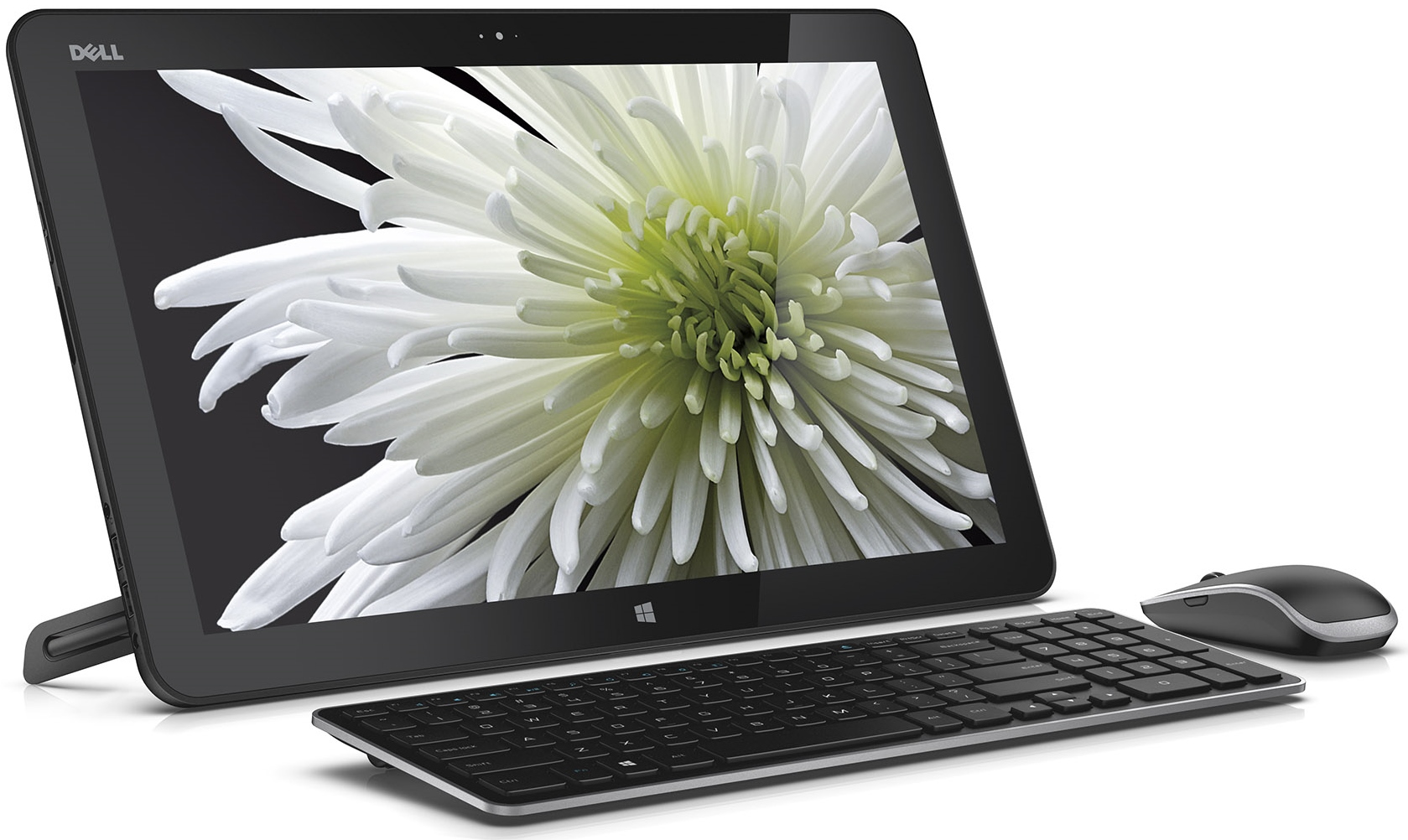
The latest entry in the mammoth touchscreen genre comes from American company Dell which, on Wednesday, unveiled the XPS 18 AIO (All-In-One). As you might imagine judging by its name, the XPS 18 features an 18-inch touchscreen display, with a resolution of 1920 by 1080, or as Dell likes to call it "twice the screen size of Apple's iPad" (like the two are in some sort of competition -- which they are not).
Google I/O sells out
Blink and you missed it. Registration for Google's developer conference opened at 10 a.m. EDT this morning and sold out fast. With so much candy to offer -- Android Key Lime Pie, Chromebook Pixel, Glass and Google Now -- I'm not exactly surprised. Google I/O 2012 was big, and this year's event promises to be even bigger. I got the "Google I/O is sold out" on the registration page around 10:48 a.m.
Google charges $900 for general developer admission and $300 for students or school faculty. The event takes place in San Francisco from May 15-17. Considering the goodies Google gives attendees, some people might sign up just for the hope of free Glass or Pixel (don't hold your breath). Last year, attendees got Galaxy Nexus, Nexus Q and Nexus 7. Oh yeah, Train performed live.

UK mobile giant EE will carry 'the next Galaxy' with 4G LTE onboard
Brace yourselves because tomorrow Samsung unveils the next Galaxy flagship at the Unpacked event held in New York. And, even if there are more than 24 hours until the announcement, UK mobile operator EE (previously known as Everything Everywhere) has joined the pre-show hype bandwagon with an announcement of its own.
In a Twitter post, featuring the same teaser photo that Samsung released yesterday on its own Twitter account, EE has announced that it will carry the next Galaxy (presumably called Galaxy S IV) but with the added bonus of "superfast" 4G LTE connectivity.

Outlook.com comes out in support of same-sex marriage -- or is it just a marketing ploy?
I watched an advert for Microsoft’s new webmail service yesterday. It starts by showing a man changing his job from Deliveryman to Stuntman on the website. Next up, there’s a pretty young woman getting married and locking lips with her partner. Afterwards she uses Outlook.com to change her name from Sarah Jones, to Sarah Jones-Brown, and a female friend emails to congratulate her. The advert ends with a voiceover saying "Get email that keeps your friends information up to date automatically".
I thought it was a decent, if unspectacular, ad that gets its message across well. Then I scrolled down to the comments. And oh my, the bigots were out in force. Because, you see, the woman in the video was getting married to -- shock horror -- another woman!

Taskbar Pinner lets you pin anything to the Windows 7 taskbar
Getting easier access to a Windows 7 shortcut is extremely easy: right-click, select "Pin to taskbar", and an icon will pop up on your taskbar, ready for immediate use.
Right-click a file, though -- or a folder, a drive, a Control Panel applet or just about anything else -- and you’ll find no "Pin" option. There are various manual workarounds you can apply, but your life will be much simpler if you grab a copy of Taskbar Pinner, which allows you to fill the taskbar with just about anything you like.
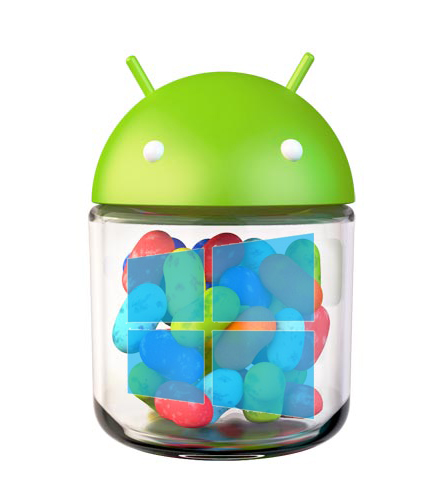
Intel brings Android 4.2.2 Jelly Bean alongside Windows 8
Intel Open Source Technology Center has released an Android 4.2.2 Jelly Bean developer preview build of "pre-alpha quality", which is also "buggy and not highly optimized", albeit one that has a major trick up its sleeve. Unlike the common version of the green droid operating system, which mostly runs solely on the ARM architecture, the aforementioned developer preview build -- dubbed Android-IA -- is designed to work on Intel's x86 processor architecture used on Windows-compatible devices.
So what would you need to run this "buggy and not highly optimized" Android 4.2.2 build? Intel says that Android-IA can only boot with UEFI mode enabled within the BIOS, which straight off the bat narrows down the list of compatible devices and therefore the ability to run this green droid build, and includes support for dual-boot alongside Windows 8. The chip maker also warns that even if your device is theoretically compatible, in order to dual-boot with Windows 8 onboard there are certain aspects to be considered beforehand.
Dropbox desktop client gets a makeover and real-time notifications
File-sharing Dropbox has updated its desktop client for Windows, Mac and Linux with the release of Dropbox 2.0 FINAL. The new build debuts a major revamp of the user interface, accessed when the user clicks the app’s menu bar or Taskbar Notification area icon.
At the present time, the new menu system is only available to Windows users running XP or later, and Mac users running Snow Leopard (OS X 10.6) or later -- it has not yet been implemented in the Linux build.
HTC unveils One Developer Edition for Android enthusiasts
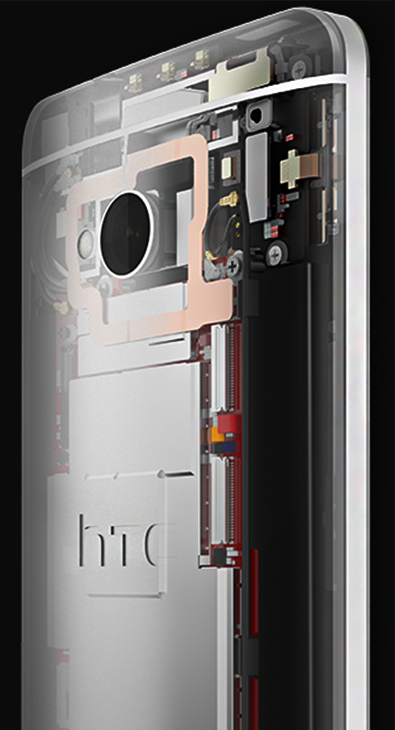
Aimed at the Android developer and modding community, Taiwanese company HTC has introduced a new iteration of the One smartphone that was introduced three weeks ago, called One Developer Edition. The two devices share the same underpinnings, except for two major changes in the software department.
The One Developer Edition is aimed at the US Android enthusiast as it features a carrier unlock and unlocked bootloader out-of-the-box, whereas the One will come without any of the two coveted specifications when purchased from local mobile operators. The price difference, however, may force you to reconsider acquiring the new iteration.

Kaspersky releases Anti-Virus 2014 and Internet Security 2014 tech previews
Kaspersky Lab has announced the public availability of Technical Previews for Kaspersky Anti-Virus 2014 and Kaspersky Internet Security 2014. These are very early releases and some way from being complete, so there’s little information on new features yet – but a few basic details have appeared.
The interface has been updated, for instance. It’s not radically different, just simplified, and even more Windows 8-like than it was before. The new releases now support touch screens, too, and our initial impressions are that the program could work well in a touch environment. Kaspersky’s Safe Money (a feature which helps to secure your online transactions) now supports more banks and web stores, and allows you to choose your preferred browser.